
Freeze, Die, Come to Life
1990
No user ratings available yet
Diversity score: 6.0 out of 10

1992
TV-MADirector
Vitali Kanevsky
Runtime
97 minutes
Average Rating
No ratings yetSynopsis
This is the second installment of a three-part series of autobiographical films about the director's life. The first, which won various awards for its maker, was entitled Zamri Oumi Voskresni and was later retitled Zari, Umri, Vokresni ("Freeze-Die-Come to Life"). At the end of that film, set at the conclusion of World War II, the young Valerka was striving hard to overcome the inertia of just getting by, along with his sometime friend Galiya. In this one, he is adjusting to Galiya's death and is back in school and is living with his mother, a prostitute. After a girl at the school is found to have been gang-raped, the headmaster chooses Valerka to be one of the scapegoats, though he had nothing to do with the deed. The punishment seems mild enough, he was simply expelled from school. However, after quarrelling with his mother about the incident, he takes to the road, and discovers a society so bleak, degraded and hopeless that it is a wonder he remained alive.
Overall Score
Fair
Category Breakdown
LGBTQ+ Representation
The narrative focuses on the protagonist's immediate social circle and his relationship with his mother. There is no explicit evidence of queer identities or non-heteronormative characters.
Gender Representation
The film subverts traditional maternal tropes by centering on a mother who survives through prostitution. This approach explores female agency and survival within a marginalized social role.
Racial & Ethnic Diversity
The story depicts a specific regional milieu within a post-Soviet context. It emphasizes class-based identity and the struggles of those living outside dominant social strata.
Religious & Cultural Diversity
The film critiques institutional stability by portraying the school system and family unit as sites of injustice. It challenges traditional social orders through a lens of systemic corruption.
Disability Representation
There is no information regarding the depiction of physical or neurodivergent disabilities in this work.
Strengths
Areas for Improvement
AI Analysis
An Independent Life is a gritty, naturalistic study of social fragmentation. It finds its depth not through demographic variety, but through a refusal to uphold traditional moral or institutional sanctity. The film excels at dismantling the idea of the stable family and the fair educational system. By focusing on a protagonist scapegoated by authority, it offers a sophisticated critique of social structures. However, the film lacks explicit representation of LGBTQ+ identities and provides no information regarding disability. Its focus remains narrow, centered on the bleakness of a specific post-Soviet social landscape.
1990
1927
1972
2006

2012
2012
1997

1962
1959
2010
1989
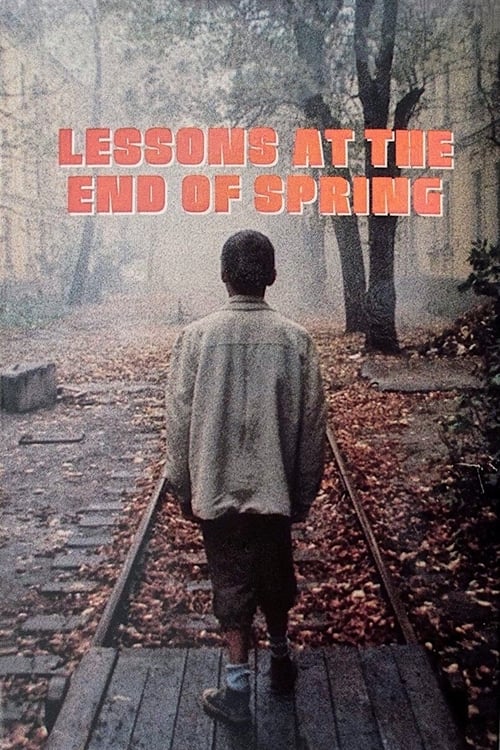
1990
No reviews yet. Be the first to share your thoughts on this movie!
Use the rating form above to leave a star rating and optional review.