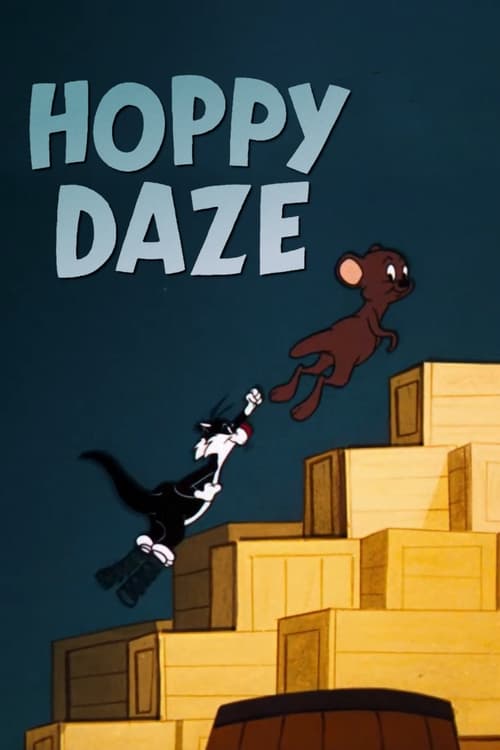
Hoppy Daze
1961
No user ratings available yet
Representation score: 0.3 out of 10
Representation Score
Limited
1961
ApprovedDirector
Robert McKimson
Runtime
6 minutes
Average Rating
No ratings yetNew Showbiz Analysis
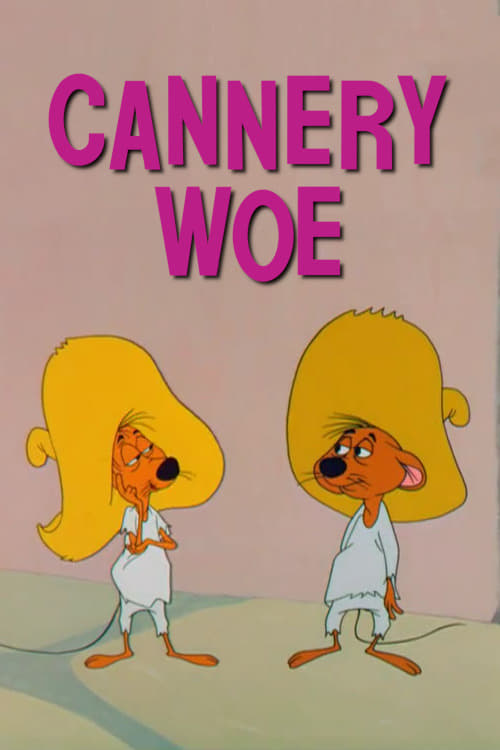
Cannery Woe is a traditional mid-century animated short that emphasizes physical humor over social commentary. It adheres to the established studio clichés of the 1960s, focusing on slapstick humor rather than systemic critique. The film lacks depth in representing diverse identities, with a cast primarily consisting of male-coded archetypes. While it includes a non-Anglo-Saxon protagonist, the narrative does not provide sufficient context to determine if this presence is genuine or merely a caricature. Ultimately, the film functions as a typical comedic piece of its time, without engaging with diverse identities or cultural subversion.
Category Breakdown
The film does not include any LGBTQ+ characters or narratives. It focuses on a traditional comedic conflict centered around resource acquisition, without exploring non-straight relationships or identities.
The story revolves around male-coded characters such as Speedy Gonzales and Sylvester. There are no female characters or subversion of traditional gender roles.
Speedy Gonzales adds a non-Anglo-Saxon presence to the Western-centric setting. However, the narrative's intent regarding his role remains unclear within the slapstick framework.
The plot uses a mayor's reelection and the pursuit of food for comedic purposes. It does not challenge Western institutions or offer anti-establishment sentiments.
There are no characters with visible or invisible disabilities mentioned in this short.
Present on Screen
Limited or Absent
Official Synopsis
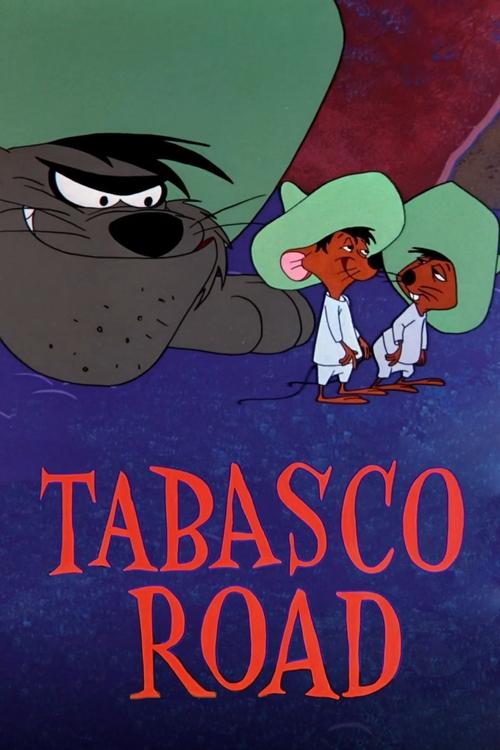
Speedy Gonzales helps provide cheese for the mayor's reelection campaign (and two hungry friends) by swiping it from the store guarded by Sylvester.
1961
1955
1960
1954
1964
1963
1963
1957
No reviews yet. Be the first to share your thoughts on this movie!
Use the rating form above to leave a star rating and optional review.