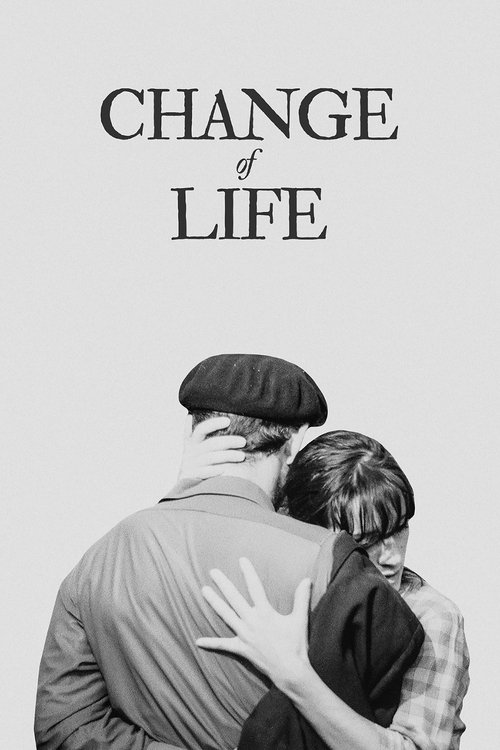
Change of Life
1967
No user ratings available yet
Diversity score: 6.1 out of 10

1982
Director
Paulo Rocha
Runtime
170 minutes
Average Rating
No ratings yetSynopsis
This film depicts the life of the 19th-century Portuguese writer Wenceslau De Moraes by means of nine ancient ballads from China. The writer married a Chinese woman after he left his wife and family to go live in Macao. Later, he moved to Japan where he fell in love with a Japanese woman, staying in Japan for the rest of his life. Mixed in with the career and loves of Moraes is the history of Portugal at home and in its colonies.
Overall Score
Good
Category Breakdown
LGBTQ+ Representation
The narrative focuses on heteronormative romantic entanglements involving the protagonist's marriages. There is no explicit evidence of queer identities or non-cisnormative gender expressions.
Gender Representation
The story centers on the protagonist's agency in navigating his destiny. Women appear as figures of romantic pursuit, potentially relying on traditional archetypes.
Racial & Ethnic Diversity
The film centers on the blending of Portuguese and East Asian identities. It challenges Eurocentric isolationism by depicting integration into Chinese and Japanese cultures.
Religious & Cultural Diversity
The film integrates Chinese folklore and the lived experience of the Portuguese diaspora. It juxtaposes Portuguese domestic history with its colonial presence in Asia.
Disability Representation
There is no mention of characters with visible or invisible disabilities in the narrative.
Strengths
Areas for Improvement
AI Analysis
Paulo Rocha’s film stands out for its sophisticated integration of non-Western cultural frameworks. By using Chinese ballads as a structural device, the movie moves beyond standard biographical tropes to explore the intersection of personal passion and colonial history. The strength of the work lies in its cross-cultural intimacy. It successfully deconstructs a singular national identity by focusing on the protagonist's life within Chinese and Japanese societies. However, the film remains limited by its reliance on traditional romantic trajectories. The focus on heteronormative marriages and the protagonist's individual agency suggests a lack of diverse gender expressions and queer perspectives.
1967
2002

2018
1919

2018
1994

2010

1986

1997

2006

2009

1994
No reviews yet. Be the first to share your thoughts on this movie!
Use the rating form above to leave a star rating and optional review.