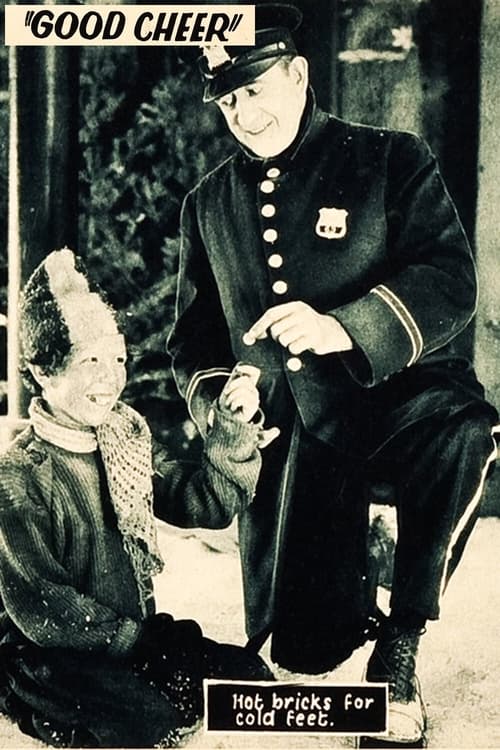
Good Cheer
1926
No user ratings available yet
Representation score: 0.7 out of 10
Representation Score
Minimal
1907
Director
Edwin S. Porter, J. Searle Dawley
Runtime
14 minutes
Average Rating
No ratings yetNew Showbiz Analysis
This 1907 silent melodrama reflects its era by prioritizing sentimental storytelling over social critique. While it addresses poverty, it does so through a lens of traditional charity rather than a systemic analysis. The film lacks depth in representing multiple aspects of identity, focusing instead on a simple dichotomy of benevolence and skepticism. It reflects the homogeneous casting and conventional social hierarchies common in early American cinema. Ultimately, the work serves as a historical snapshot of early narrative film, emphasizing melodrama and folklore rather than progressive representation or diverse identities.
Category Breakdown
The film does not include any LGBTQ+ characters or non-straight identities. It follows the traditional social structures of 1907 cinema.
The story relies on a traditional gender dichotomy between a boy and a girl. It lacks evidence of female empowerment or challenges to Edwardian gender roles.
The narrative focuses on socioeconomic status rather than racial identity. There is no indication of non-white casting or the use of racial metaphors.
The film explores skepticism towards the Santa Claus myth through the lens of poverty. It reinforces traditional charitable structures rather than offering a critical view of societal systems.
There is no mention of characters with visible or invisible disabilities within the narrative.
Present on Screen
Limited or Absent
Official Synopsis
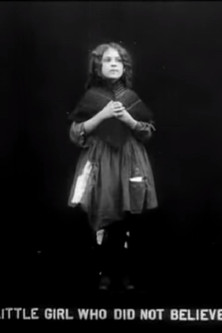
A generous boy tries to help a girl who does not believe in Santa Claus because of her family's poverty.
1926
1938
1904

2007
1909

1989
1905
1946
No reviews yet. Be the first to share your thoughts on this movie!
Use the rating form above to leave a star rating and optional review.