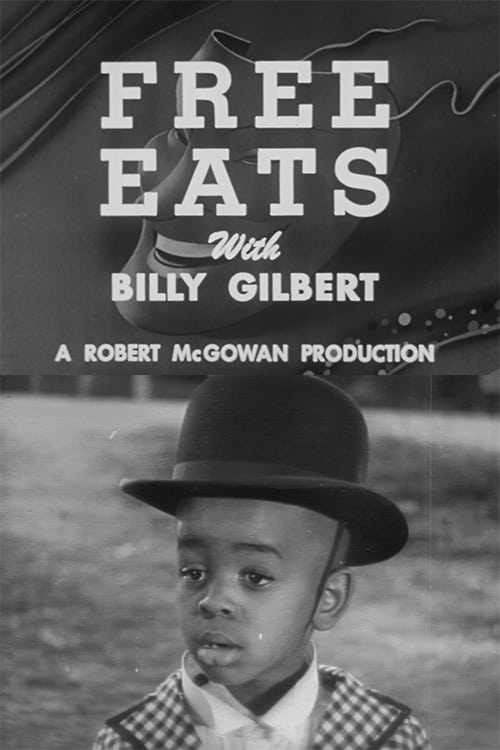
Free Eats
1932
No user ratings available yet
Representation score: 0.8 out of 10
Representation Score
Minimal
1926
Director
Robert F. McGowan
Runtime
20 minutes
Average Rating
No ratings yetNew Showbiz Analysis
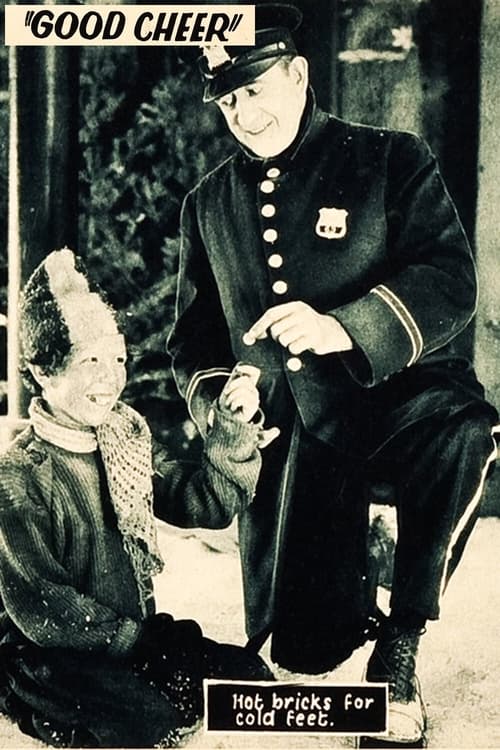
Good Cheer serves as a historical artifact of traditional storytelling from the silent era. The narrative upholds the social and cultural norms of 1926, focusing on seasonal celebration and folklore. The film prioritizes the reinforcement of Western institutions, such as the family unit and religious-based morality. It lacks the complexity needed to engage with multi-layered identities or systemic critiques.
Category Breakdown
The film follows the social structures typical of the 1920s, where everyone is assumed to be straight and cisgender. There are no representations of LGBTQ+ identities or critiques of traditional norms.
The narrative focuses on male-dominated groups and traditional gender roles. Child ensembles may have some ability to act, but the film follows the gender norms of the time.
The production reflects the homogeneous casting standards of the silent comedy era. The story adheres to the era’s standard of representing a single social norm.
The story emphasizes traditional Western seasonal values and validates the figure of Santa Claus. It reinforces communal morality and traditional beliefs without challenging them.
There is no evidence of characters with physical or neurodivergent disabilities.
Present on Screen
Limited or Absent
Official Synopsis
On Christmas Eve, the Gang copes with hardships, helps capture a gang of thieves, and learns that Santa Claus really exists for those who wish fervently enough.
1932

2014
1932
2022
1914

1947
1933
2017
No reviews yet. Be the first to share your thoughts on this movie!
Use the rating form above to leave a star rating and optional review.