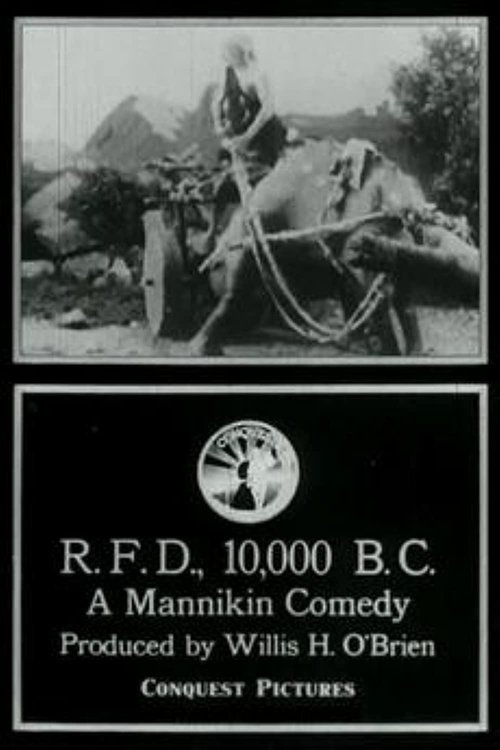
R.F.D., 10,000 B.C.
1917
No user ratings available yet
Representation score: 0.5 out of 10

Representation Score
Minimal
1922
Director
Tony Sarg
Runtime
8 minutes
Average Rating
No ratings yetNew Showbiz Analysis
Tony Sarg’s 1922 animation serves primarily as a meta-narrative satire regarding the industrialization of art. The story follows a prehistoric writer whose masterpiece is ruined by a film company, highlighting a critique of institutional interference. While the narrative architecture focuses on the corruption of a creative work, it lacks exploration of specific identity-based experiences. The film does not provide demonstrable representation of gender, race, or disability within its prehistoric setting.
Category Breakdown
The film focuses on the professional struggles of a prehistoric writer. There is no indication of diverse gender identities or narratives addressing the assumption that everyone is straight or cisgender.
The narrative centers on a writer and a film company. There is no visible challenge to traditional gender roles or portrayal of gendered power dynamics.
Set in the Stone Age, the film uses prehistoric archetypes. It is unclear if these characters represent specific ethnic identities or serve as metaphors for racial diversity.
The film critiques institutional corruption through its anti-industry stance. It explores the loss of artistic integrity when faced with corporate interference.
The plot does not indicate that neurodivergence or physical disabilities are integrated into the character arcs or used as narrative drivers.
Present on Screen
Limited or Absent
Official Synopsis
A prehistoric writer sells his masterpiece to a film company, which is butchered horribly in the process of getting made into a stone-age movie. Preserved by the Academy Film Archive in 2010.
1917
1931
1927
1922
1931
1952
1894
1951
No reviews yet. Be the first to share your thoughts on this movie!
Use the rating form above to leave a star rating and optional review.