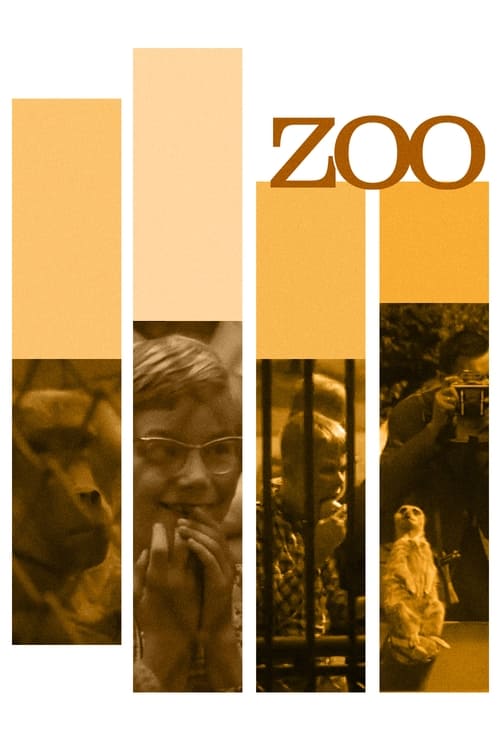
Zoo
1961
No user ratings available yet
Representation score: 0.1 out of 10
Representation Score
Good
1972
GDirector
Bert Haanstra
Runtime
104 minutes
Average Rating
No ratings yetNew Showbiz Analysis
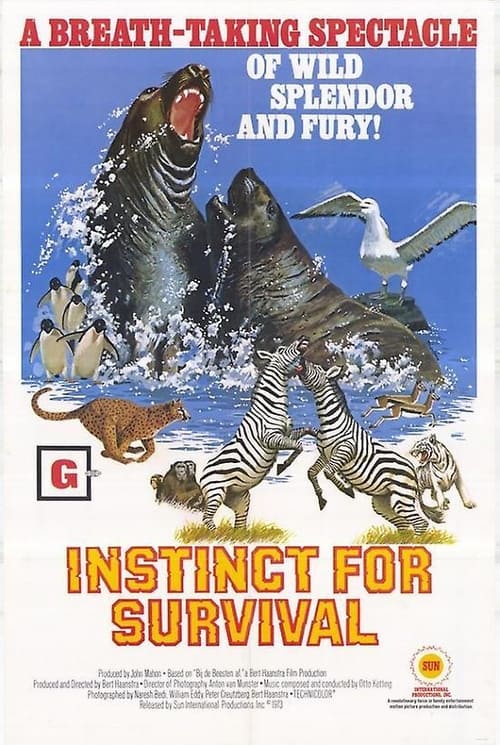
Bert Haanstra’s documentary serves as a comparative study of human and animal behavior. Instead of focusing on identity politics, the film uses structural parallels to equalize the human experience with the natural world. This approach subtly undermines the rigid social hierarchies common in 1970s media. The film's strength lies in its ability to challenge the perceived superiority of Western civilization through a naturalistic lens. By observing animal behaviors that deviate from mid-century social norms, it offers a unique perspective on the absurdity of human social structures. However, the documentary's macro-observational style limits its ability to represent specific human identities. Because it prioritizes species-wide patterns over individual narratives, it lacks the depth required for meaningful representation of race, disability, or LGBTQ+ identities.
Category Breakdown
The documentary does not include explicit LGBTQ+ characters or narratives. It avoids typical heterosexual romantic storylines when discussing animals, but it does not address specific LGBTQ+ identities.
The film breaks down human gender hierarchies by comparing them with animal instincts. This structure suggests that gender roles are part of a broader behavioral spectrum rather than being biologically fixed.
The focus on universal biological imperatives bypasses many traditional Anglo-centric social hierarchies. However, the lack of a diverse human cast prevents a deeper exploration of different racial backgrounds.
The narrative uses observational irony to critique organized social institutions. By emphasizing instinct over institutionalized morality, the film promotes a secular and naturalistic worldview.
The film focuses on macro-level species behaviors rather than individual character studies. Consequently, it neither reinforces ableist clichés nor includes specific portrayals of disability.
Present on Screen
Limited or Absent
Official Synopsis
The film is a study of the differences and similarities between human and animal behaviour. The first part of the movie focuses on the behaviour of various animal species. The second half is about humans. In the original Dutch version writer Anton Koolhaas, who also wrote the script, provided the voice-over.
1961
1984
1989
2005
1974
1978

2010
2018
No reviews yet. Be the first to share your thoughts on this movie!
Use the rating form above to leave a star rating and optional review.