La Mary
1974
No user ratings available yet
Representation score: 6.5 out of 10
Representation Score
Good
1975
Director
Gilles Carle
Runtime
117 minutes
Average Rating
No ratings yetNew Showbiz Analysis
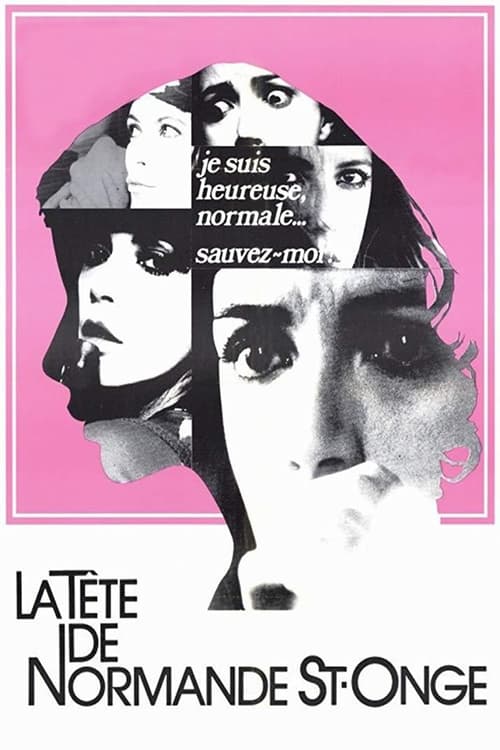
Gilles Carle’s film is a character-driven drama that prioritizes women's ability to drive the story and psychological depth. By centering on a woman managing a fractured domestic unit, the film challenges traditional gender roles and explores the emotional labor required to sustain an unstable household. However, the film lacks visible multi-ethnic or LGBTQ+ representation. The setting appears culturally homogeneous, focusing on a specific Québécois social milieu that does not explicitly showcase diverse racial or sexual identities. Ultimately, the work succeeds as a critique of social and economic structures. It uses the protagonist's mental breakdown to deconstruct the stability of the traditional family and the pressures of capitalist systems.
Category Breakdown
The film focuses on the psychological and domestic struggles of a female protagonist. There are no explicit queer romantic arcs or characters with non-traditional gender identities.
The narrative centers on the female experience, with Normande St-Onge as the main figure managing her household. This disrupts traditional gender roles by making a woman the central figure managing unstable relatives.
The story appears to be a localized character study set within a specific Québécois context. The narrative likely reflects the demographic homogeneity of its era and setting.
The film critiques the traditional nuclear family by portraying an improvised family as a source of pressure. It also highlights systemic economic failures through themes of exploitation and eviction.
The plot explicitly addresses psychological collapse, introducing themes of mental health. This suggests a nuanced exploration of mental instability rather than a superficial depiction.
Present on Screen
Limited or Absent
Official Synopsis
Working as a pharmacy clerk while dreaming of escape through dance, Normande St-Onge supports a household of dependent and unstable relatives. As her efforts to protect and hold together her improvised family intensify, the pressures of exploitation, eviction, and emotional isolation push her toward psychological collapse. Directed by Gilles Carle, the film blurs the boundary between fantasy and breakdown.
1974

1980

2015
1976

2004

1999

2010

1974
No reviews yet. Be the first to share your thoughts on this movie!
Use the rating form above to leave a star rating and optional review.