
Clara Sola
2021
No user ratings available yet
Representation score: 8.8 out of 10
Representation Score
Fair
1997
Director
Walter Lima Jr.
Runtime
117 minutes
Average Rating
No ratings yetNew Showbiz Analysis
The film serves as an intimate character study that prioritizes the female protagonist's internal journey and her growth into womanhood. By focusing on Marcela's internal world and her connection to the wind, the story moves away from traditional paternalistic hierarchies. While the film lacks overt markers of modern identity politics or explicit LGBTQ+ themes, it offers a meaningful disruption of conventional clichés through its regional Brazilian setting and focus on bodily autonomy. It presents a non-Western perspective on maturation, even if it remains subtle in its approach to broader social representation.
Category Breakdown
The film does not include explicit representations of LGBTQ+ identities or same-sex intimacy. It focuses mainly on the female protagonist's growth and sensory experiences.
The story centers on Marcela's development and her increasing sexual awareness. It challenges traditional patriarchal control by emphasizing her internal journey over her father's strict oversight.
Set on a Brazilian island, the film implies a non-Anglo-Saxon cultural landscape. Specific character ethnicities are not confirmed, but the regional context suggests a departure from Western-centric casting norms.
The film emphasizes individual sensation and a connection to nature over rigid social or religious doctrines. It critiques restrictive family structures through a subjective, spiritual lens.
There are no characters with visible or invisible disabilities in the narrative.
Present on Screen
Limited or Absent
Official Synopsis
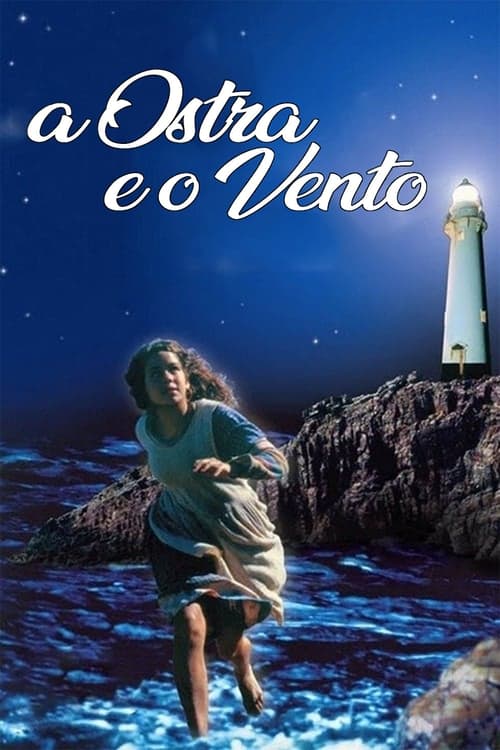
A young girl named Marcela lives with her dad, Jose, a lighthouse keeper, and old Daniel on an island. The only contact the girl has with the world outside her home is by a boat with four sailors that pays a visit to the island in order to take them supplies. Daniel, who not only protects her from her dad's strictness but also teaches her how to be literate, is her source of tenderness. Her dad thinks she should be away from the world - though she wishes she could spend a few days in town. Then one day, as she has her first period and becomes a woman, she starts feeling sexuality through the blowing wind, which she talks to.
2021

1970

2025
2021
2020
2010
2023
2012
No reviews yet. Be the first to share your thoughts on this movie!
Use the rating form above to leave a star rating and optional review.