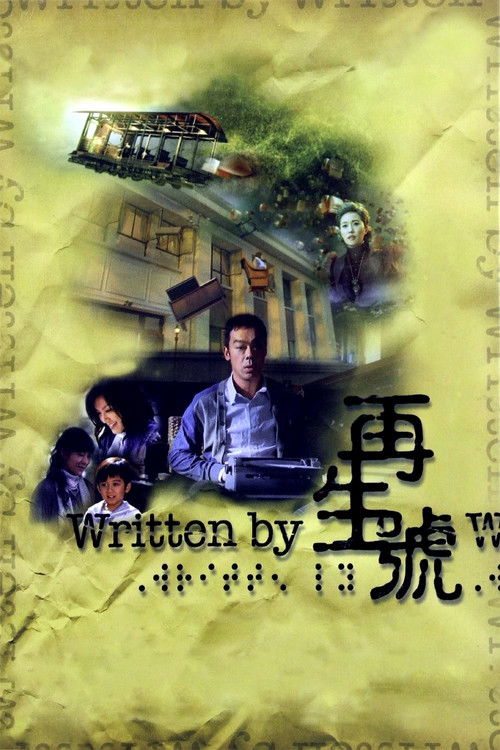
Written By
2009
No user ratings available yet
Representation score: 7.1 out of 10
Representation Score
Fair
2006
RDirector
Oxide Pang, Danny Pang
Runtime
108 minutes
Average Rating
No ratings yetNew Showbiz Analysis
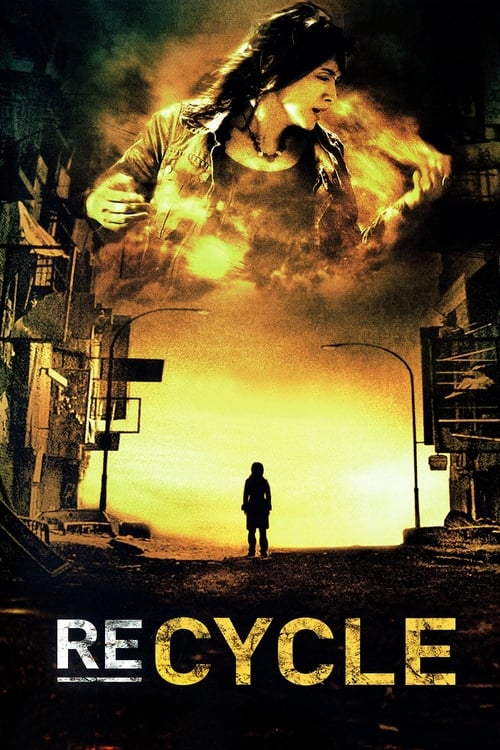
Re-cycle is a genre-driven exploration of urban alienation and identity fragmentation. While it successfully deconstructs traditional societal hierarchies through its anti-capitalist lens, it remains narrow in its demographic scope. The film's strength lies in its cultural critique of consumerism and its departure from Western-centric casting norms. It uses a localized perspective to challenge standard cinematic norms. However, the narrative lacks breadth in identity-based representation. It offers minimal ability to act for female characters and provides no significant exploration of LGBTQ+ identities or disability.
Category Breakdown
The film does not include explicit LGBTQ+ characters or explore non-cisgender identities. The narrative focuses on existential dread and urban decay, avoiding queer-coded subtext or romantic themes.
The story is primarily centered around male characters, focusing on a group of young men in a nihilistic environment. Female characters have limited roles and do not significantly influence the main plot.
The film presents a localized, non-Western perspective by focusing on a underrepresented, non-Anglo-Saxon youth subculture. However, the focus on a specific socioeconomic group limits broader ethnic diversity.
The film provides a powerful critique of modern consumerist society and dehumanizing structures. It explores moral relativism and systemic alienation within a high-tech, decaying urban environment.
There is no intentional focus on visible or invisible disabilities. Psychological alienation is treated as a universal postmodern theme rather than an exploration of neurodivergence or disability ability to act.
Present on Screen
Limited or Absent
Official Synopsis
Ting-yin, a young novelist, is struggling to come up with a followup to her best-selling trilogy of romance novels. After drafting her first chapter, she stops and deletes the file from her computer. She then starts seeing strange, unexplainable things and finds that she is experiencing the supernatural events that she described in her novel-to-be.
2009
2007

2010
2004
2004
2006
2019
1995
No reviews yet. Be the first to share your thoughts on this movie!
Use the rating form above to leave a star rating and optional review.