Dark Spirits
2008
No user ratings available yet
Representation score: 2.9 out of 10
Representation Score
Fair
2004
RDirector
Oxide Pang, Danny Pang
Runtime
95 minutes
Average Rating
No ratings yetNew Showbiz Analysis
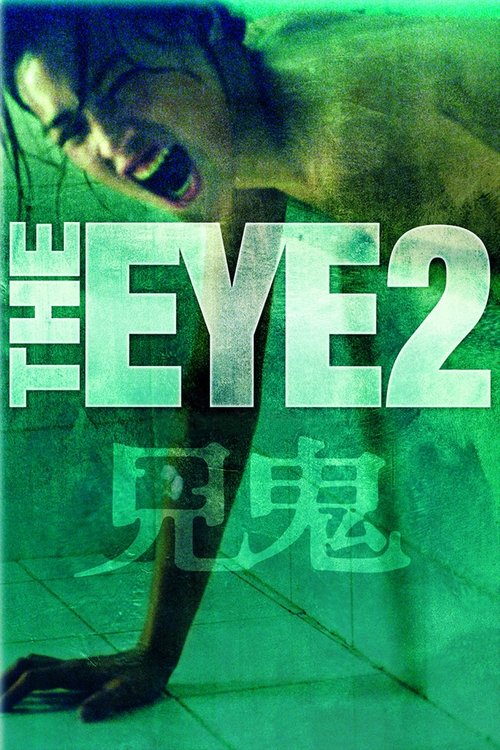
The film successfully challenges traditional gendered clichés by placing a woman at the center of a complex, intellectually challenging supernatural mystery. Joey is the primary driver of the plot, navigating her own psychological fragmentation. However, the film lacks significant markers of diverse representation. There is no depiction of LGBTQ+ identities, and the cultural narrative remains centered on individual trauma rather than broader social critiques. While the central metaphor of altered perception offers a unique perspective on neurodivergence, it risks falling into the cliché of viewing sensory differences as a burden or descent into madness.
Category Breakdown
The film does not include any LGBTQ+ characters or explore non-straight identities. The main relationship follows traditional heterosexual norms.
The story focuses on a female character's active role and internal struggles. She leads the investigation into her own sensory experiences rather than being a passive participant.
The cast is predominantly East Asian, offering a non-Western perspective. The Hong Kong setting avoids the typical homogenization seen in Western horror films.
The narrative emphasizes personal sensory experiences over established religious or social norms. It does not critique systems or institutions, focusing instead on individual psychological trauma.
A corneal transplant symbolizes altered perception and neurodivergence. However, the new vision is portrayed as a source of madness and distress.
Present on Screen
Limited or Absent
Official Synopsis
Pregnant Joey teeters on the brink of madness after several fruitless suicide attempts. She's the unwilling recipient of an influx of shadowy images that haunt her pervasively. In an attempt to quell this disturbing phenomenon, she looks up with her secretive ex-lover Sam, who may be able to shed some light upon the mysterious twilight world descending upon Joey.
2008
2003
2004
2023
1999
2000
2006
2008
No reviews yet. Be the first to share your thoughts on this movie!
Use the rating form above to leave a star rating and optional review.