The Day You Love Me
1935
No user ratings available yet
Diversity score: 3.2 out of 10
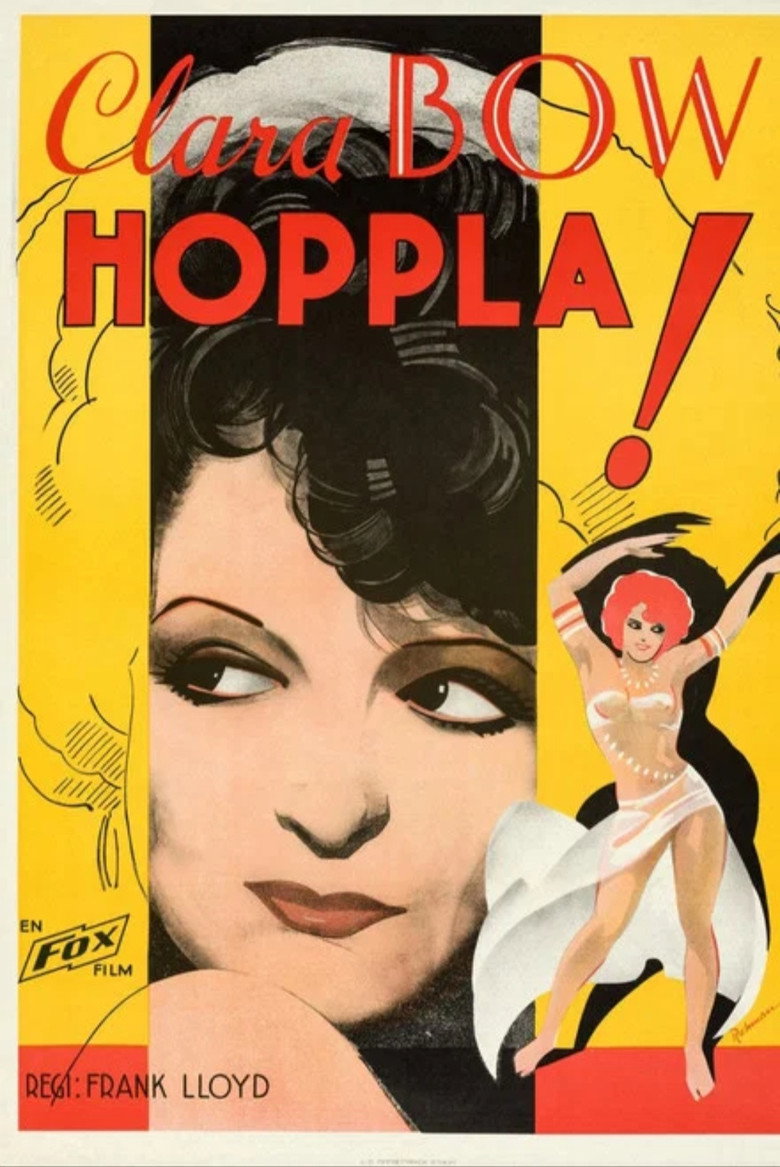
1933
PassedDirector
Frank Lloyd
Runtime
85 minutes
Average Rating
No ratings yetSynopsis
A sideshow bally girl sets out to seduce the naive son of the show's manager to get even with him for a friend that he jilted.
Overall Score
Limited
Category Breakdown
LGBTQ+ Representation
The film centers on a heterosexual seduction dynamic. There is no evidence of non-cisnormative identities or narratives that challenge heteronormativity.
Gender Representation
The female lead exercises agency through seduction, though this is framed as manipulation. The male protagonist's naivety offers a slight departure from traditional masculine dominance.
Racial & Ethnic Diversity
The narrative lacks indication of a diverse cast or characters of color with significant agency. It appears to follow the homogeneous casting norms of 1933.
Religious & Cultural Diversity
While the carnival setting implies transient social circles, the conflict remains rooted in traditional Western dramatic interests. The story focuses on individual moral choices.
Disability Representation
There is no mention of characters with visible or invisible disabilities. The narrative does not appear to center on neurodivergence or physical disability.
Strengths
Areas for Improvement
AI Analysis
Hoopla is a period drama that adheres strictly to the conventional social and narrative frameworks of the early 1930s. The plot relies on established archetypes, such as the seductive outsider and the naive male, which reinforces traditional romantic power dynamics rather than subverting them. The film lacks intersectional complexity, offering little representation for LGBTQ+ identities, diverse racial groups, or individuals with disabilities. It functions as a standard studio-era drama focused on interpersonal manipulation within a specific social hierarchy. Ultimately, the film reflects the restrictive production standards of its time, prioritizing individual moral conflicts over systemic critique or diverse character perspectives.
1935
1932
1932
1931
1929
1929

1935
1955
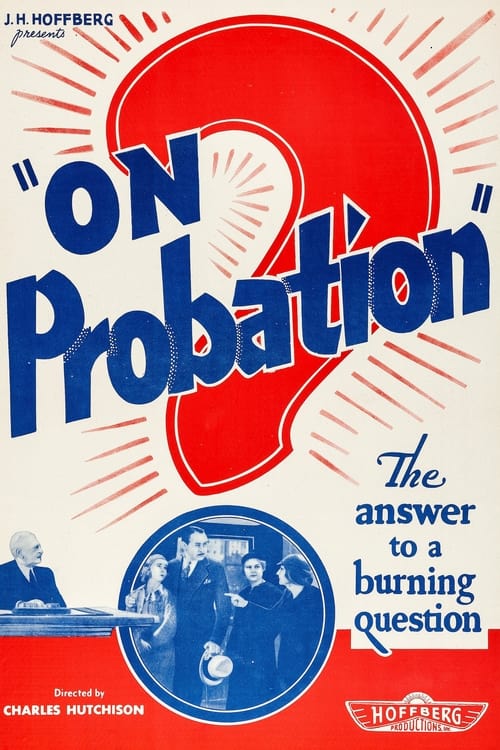
1935
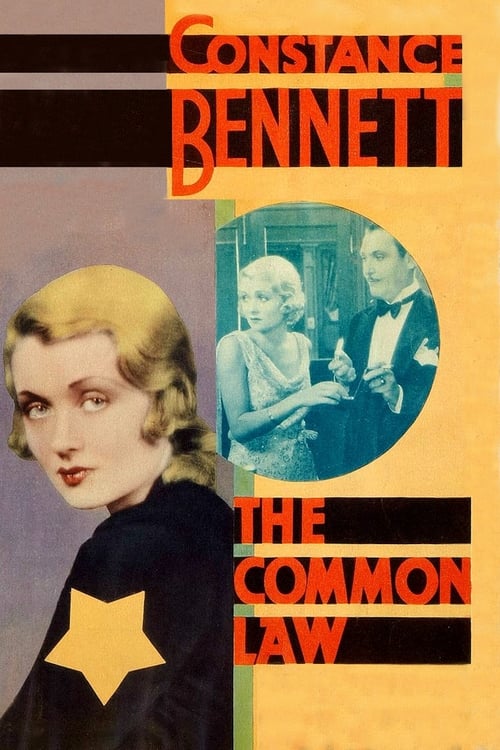
1931
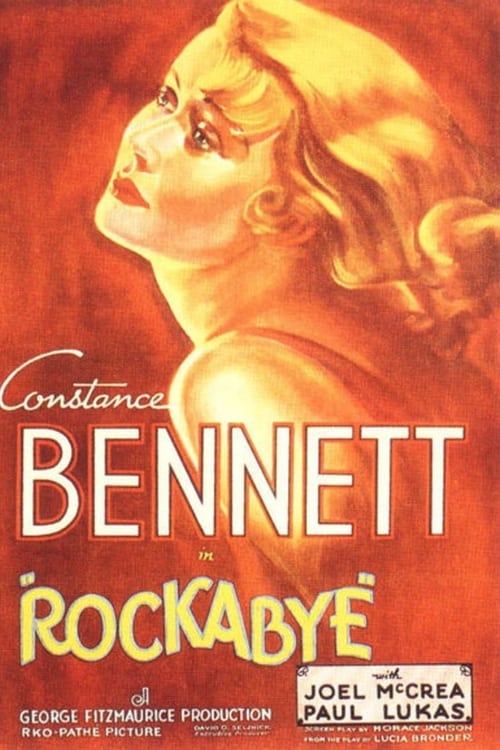
1932
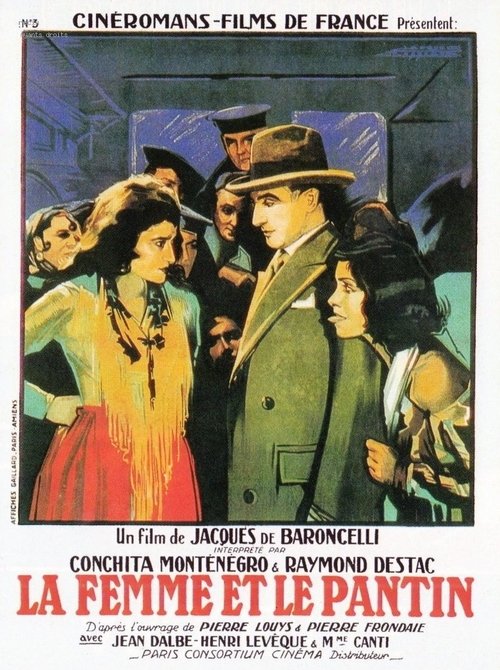
1929
No reviews yet. Be the first to share your thoughts on this movie!
Use the rating form above to leave a star rating and optional review.