The Eye 2
2004
No user ratings available yet
Representation score: 6.0 out of 10
Representation Score
Good
2006
RDirector
Oxide Pang Chun
Runtime
85 minutes
Average Rating
No ratings yetNew Showbiz Analysis
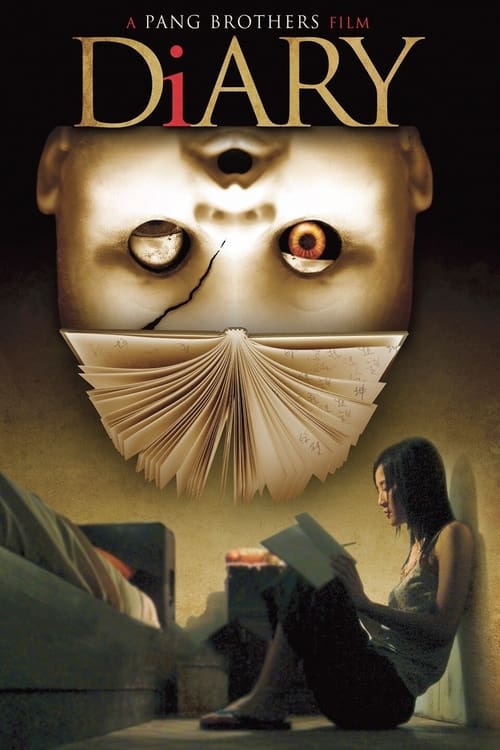
Diary is a psychological character study that emphasizes internal cognitive struggles over broader sociopolitical themes. Its strength lies in its nuanced depiction of neurodivergence, particularly through Winnie's experience with schizophrenia. This provides a deep, non-simplistic look at mental instability. However, the film's scope is limited. The narrative is heavily focused on traditional romantic structures and male-centric relationships, which restricts its engagement with gender dynamics. It lacks diverse representation for LGBTQ+ identities or multi-ethnic ensembles. Ultimately, the film's subversion is focused on challenging perceptions of reality rather than addressing social hierarchies or institutional power.
Category Breakdown
The story centers around traditional romantic relationships involving Winnie, Seth, and Ray. There are no representations of non-straight relationships or critiques of the assumption that everyone is straight.
Winnie is a central female character with significant emotional influence. However, her storyline is largely shaped by her interactions with various men.
The film features a predominantly East Asian cast, reflecting a specific cultural setting. It avoids racial stereotypes but does not include characters from different ethnic backgrounds.
The narrative explores personal existential questions and individual morality. It does not address broader societal issues related to religion or national identity.
The film presents a detailed portrayal of schizophrenia. It avoids simplifying the condition and uses Winnie's mental health to create psychological tension and narrative complexity.
Present on Screen
Limited or Absent
Official Synopsis
The dour and volatile Winnie likes to make wooden puppets and write in her diary. After her boyfriend Seth leaves her, Winnie becomes increasingly emotionally and psychologically unstable.
2004

2007

2004
2005
2013

1972
2013

2005
No reviews yet. Be the first to share your thoughts on this movie!
Use the rating form above to leave a star rating and optional review.