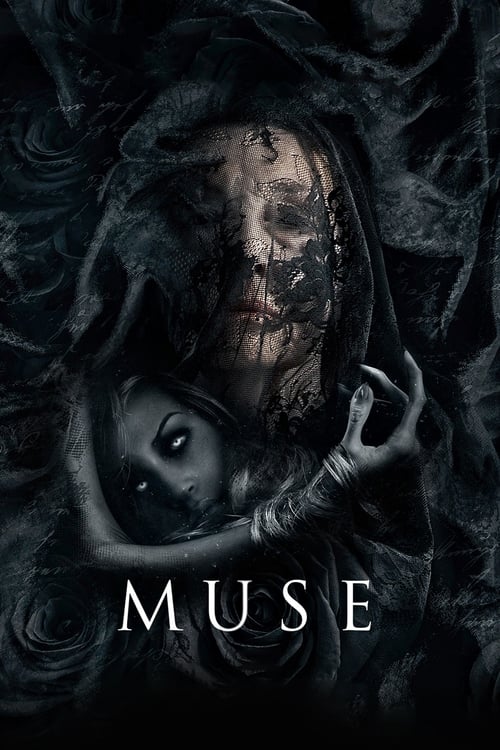
Muse
2017
No user ratings available yet
Representation score: 4.4 out of 10
Representation Score
Minimal
2001
Director
Aaron Vanek
Runtime
47 minutes
Average Rating
No ratings yetNew Showbiz Analysis
The film follows a traditional psychological horror framework, emphasizing individual identity and the blurring of reality. While it centers on a female protagonist, the narrative structure relies on established genre conventions rather than challenging systemic issues. The story lacks diverse representation across various identity categories. It prioritizes a singular psychological descent, limiting space for varied cultural or social perspectives. Overall, the film adheres to conventional genre boundaries without incorporating multi-layered casting or narrative disruption.
Category Breakdown
The film does not include any visible same-sex relationships or non-cisgender identities. There is no critique of heterosexual norms.
Tess Reardon offers a central female perspective with professional influence. However, her role as a model for Aubrey Scott might reinforce traditional gender roles where she is observed by a male artist.
The narrative focuses on the psychological journey of the main characters without highlighting a diverse cast. There are no non-Anglo-Saxon characters mentioned.
The story explores fluid truths through themes of past lives and subjective reality. It does not include explicit anti-Western or secularist messaging.
While the protagonist experiences nightmares, there is no confirmed depiction of neurodivergence or physical disability with significant impact.
Present on Screen
Limited or Absent
Official Synopsis
A young art gallery owner, Tess Reardon, is looking for new talent to spark life into her failing business. Haunted by nightmares, she discovers that an artist she dreamt about, Aubrey Scott, actually exists, and she seeks him out. The eccentric painter agrees to a showing of his art, but only if Tess will model for his new work. She grudgingly agrees and begins to regress into a past life from a parallel world, and that everything is not at all as it seems.
2017
2009
2018
2005
2017
2006
2023
2002
No reviews yet. Be the first to share your thoughts on this movie!
Use the rating form above to leave a star rating and optional review.