
Cure
1997
No user ratings available yet
Representation score: 4.0 out of 10
Representation Score
Fair
2007
RDirector
Kiyoshi Kurosawa
Runtime
104 minutes
Average Rating
No ratings yetNew Showbiz Analysis
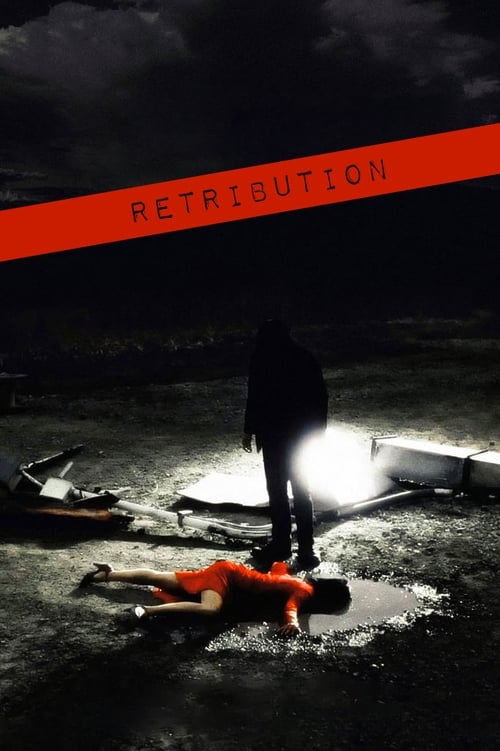
Kiyoshi Kurosawa’s Retribution is a sophisticated psychological study that prioritizes the deconstruction of identity over demographic breadth. The film functions as an insular exploration of existential dread, which limits the space for diverse character representation. While the film lacks significant LGBTQ+, gender, or racial diversity, it finds strength in its cultural critique. It effectively challenges the stability of social order and institutional authority through its fragmented narrative. Ultimately, the work is a deeply male-centric experience. Its focus on urban alienation and the erosion of objective reality leaves little room for a broad spectrum of human identities.
Category Breakdown
The film focuses almost exclusively on the male protagonist's internal psychological state. There is a notable absence of LGBTQ+ characters or depictions of non-straight relationships.
The narrative adheres to a heavily male-centric perspective centered on a detective's collapse. It lacks female characters with significant roles to challenge traditional gender norms.
Set in Tokyo, the film presents a largely homogeneous social environment. It does not utilize diverse casting or multi-layered dynamics to challenge the status quo.
The film excels in deconstructing traditional institutional authority and moral certainty. It critiques the efficacy of justice systems through a lens of moral relativism and nihilism.
Mental health struggles and psychological fragmentation are used primarily as tools for genre-driven suspense. These elements lack a nuanced or agentic portrayal of mental health issues.
Present on Screen
Limited or Absent
Official Synopsis
A detective investigates a series of murders. A possible serial killer might be on a rampage, since the crimes are in the same vicinity, by the same method. However, as evidence points towards the detective, a ghost in red follows him, and he begins questioning his identity. His realization of what seems to be reality results in something far larger and more sinister.
1997

2016

1990
2004
2007
2015

2011
2003
No reviews yet. Be the first to share your thoughts on this movie!
Use the rating form above to leave a star rating and optional review.