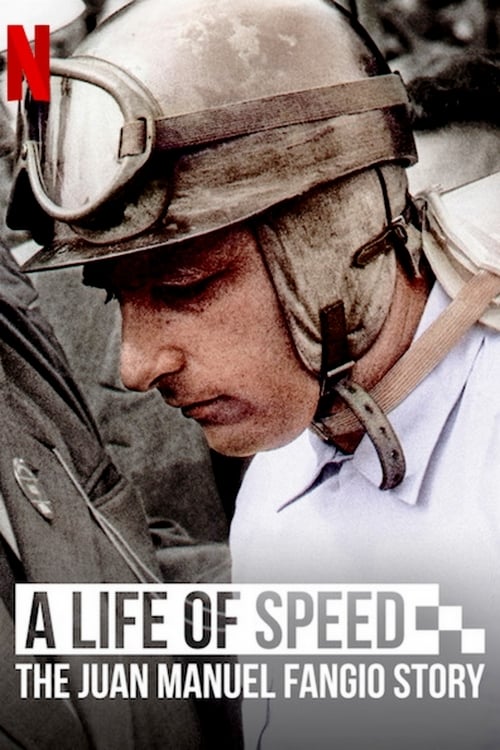
A Life of Speed: The Juan Manuel Fangio Story
2020
No user ratings available yet
Representation score: 1.7 out of 10
Representation Score
Limited
2011
TV-14Director
Richard Heap
Runtime
60 minutes
Average Rating
No ratings yetNew Showbiz Analysis
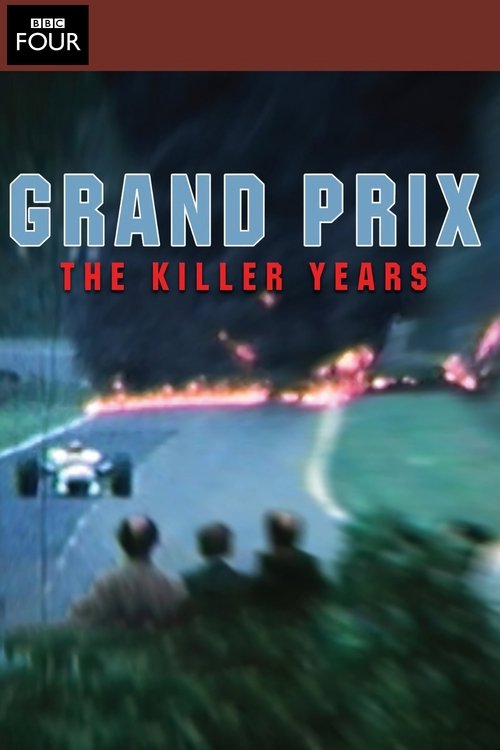
Grand Prix: The Killer Years serves as a historical retrospective of a specific, traditionally homogenous era of Formula One. The documentary excels at exploring systemic accountability and how drivers reclaimed control against organizational indifference. However, the film lacks multi-layered complexity. The narrative is confined to a masculine, Western-centric sporting world, offering almost no demographic breadth or representation of underrepresented identities. Ultimately, the film is a specialized look at professional evolution within a niche industry rather than a diverse social study.
Category Breakdown
The film focuses on the high-stakes, male-dominated racing environment of the 1960s and 70s. It lacks characters or narratives addressing non-straight relationships.
The narrative centers around a historically masculine domain. Male drivers like Jackie Stewart hold the main roles, providing little visibility for female perspectives.
The documentary reflects the homogeneous demographic realities of the era, featuring predominantly Western, Anglo-European, and South American drivers. It lacks non-white participation.
The film critiques institutional negligence and how drivers were treated as expendable assets. However, it remains rooted in the traditional Western sporting establishment.
While the film explores physical trauma and mortality from racing accidents, it focuses on systemic causes of death rather than lived experiences of disability.
Present on Screen
Limited or Absent
Official Synopsis
In the 60s and early 70s it was common for Grand Prix drivers to be killed while racing, often televised for millions to see. Mechanical failure, lethal track design, fire and incompetence snuffed out dozens of young drivers. They had become almost expendable as eager young wannabes queued up at the top teams' gates waiting to take their place. This is the story of when Grand Prix was out of control. Featuring many famous drivers including three times world champion Sir Jackie Stewart OBE, twice world champion Emerson Fittipaldi and John Surtees OBE, this exciting but shocking film explores how Grand Prix drivers grew sick of their closest friends being killed and finally took control of their destiny.
2020
2013
1978
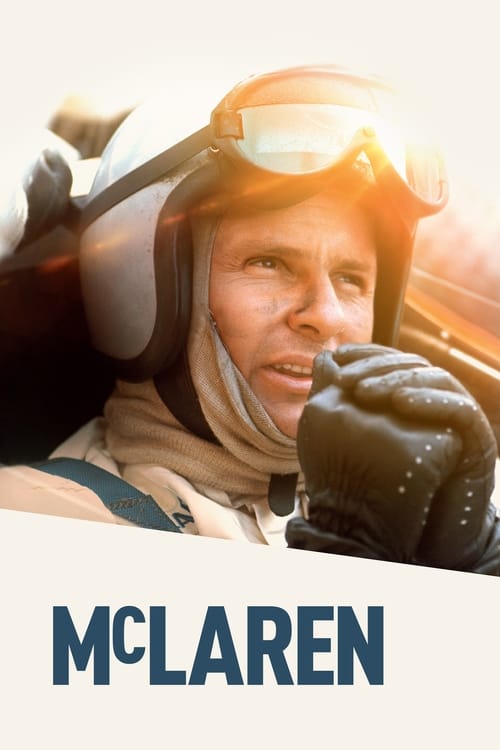
2016
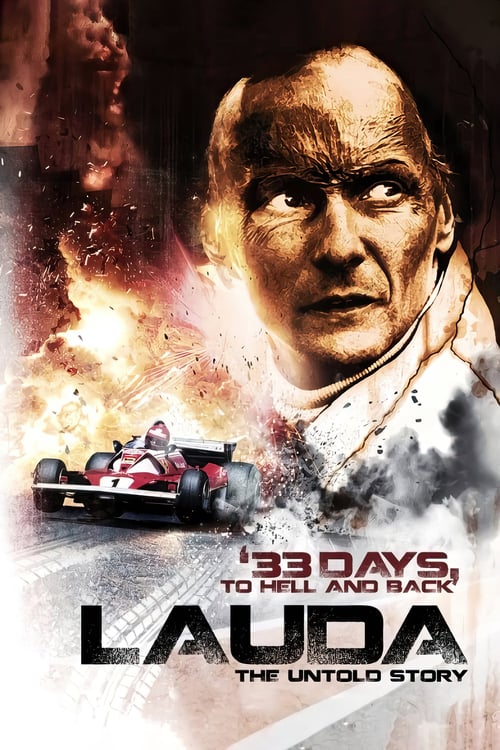
2014
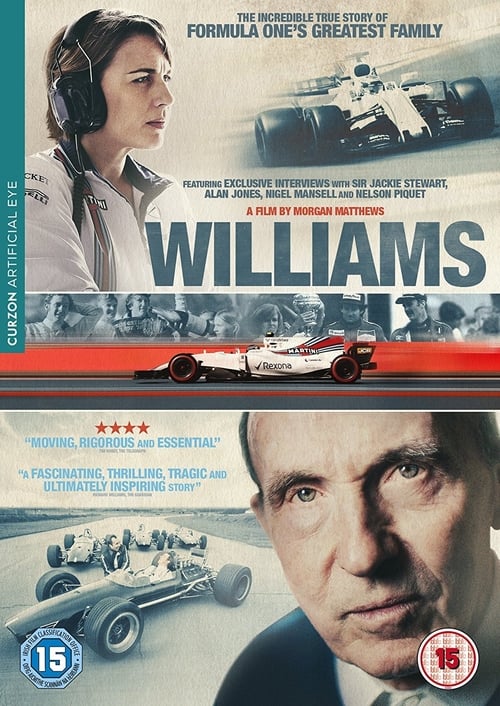
2017
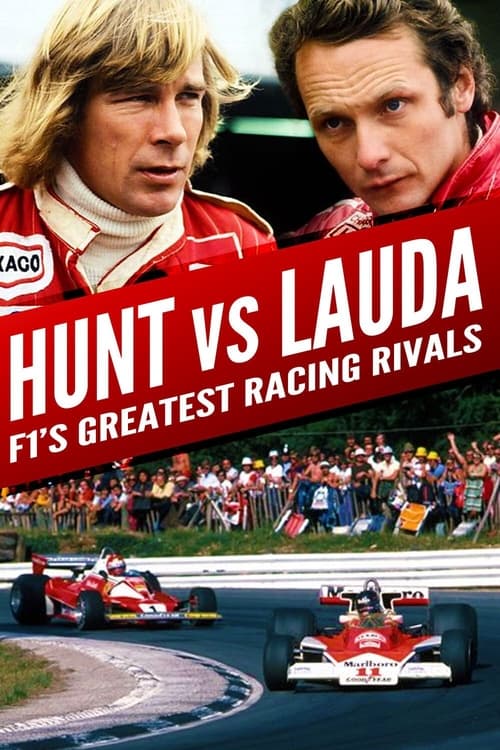
2013
2015
No reviews yet. Be the first to share your thoughts on this movie!
Use the rating form above to leave a star rating and optional review.