Mickey Steps Out
1931
No user ratings available yet
Representation score: 0.4 out of 10
Representation Score
Minimal
1929
Director
Walt Disney, Ub Iwerks
Runtime
7 minutes
Average Rating
No ratings yetNew Showbiz Analysis
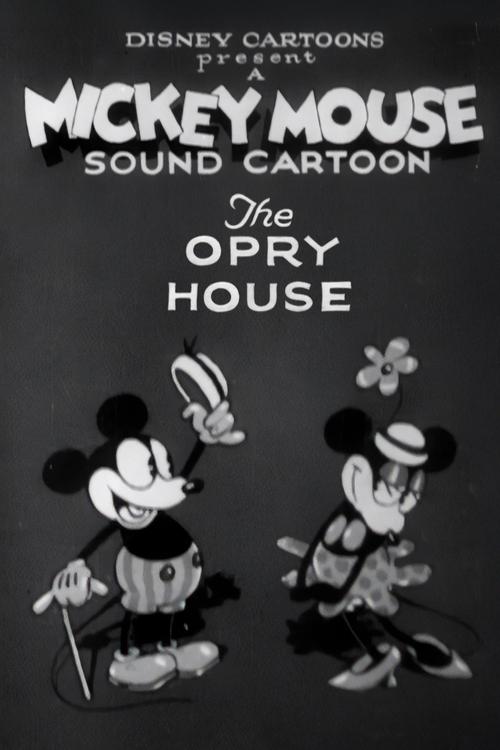
The Opry House is a pioneering work in early animation that emphasizes technical innovation and slapstick comedy over social commentary. The story centers on Mickey’s interactions with sentient objects like a piano and stool, creating a world where the focus is on object permanence rather than social hierarchies. Given that the film was made before modern approaches to identity politics, it does not intentionally address diverse identities. Instead, it serves as pure entertainment, using cultural motifs like belly dancing and snake charming as comedic devices without deeper meaning. Overall, the film reflects the era’s emphasis on character-driven physical humor. While it avoids gendered clichés through its anthropomorphic cast, it does not engage with progressive social values or diverse lived experiences.
Category Breakdown
The film does not depict any LGBTQ identities or same-sex relationships. Mickey’s belly dance is used for comic effect without exploring queer identity.
Female characters are not prominently featured. The humor comes from physical gags involving inanimate objects rather than gender dynamics.
The film uses simplified cultural stereotypes, such as belly dancing and snake charming. These caricatures lack depth and fail to give ability to act to specific ethnic groups.
The movie focuses on slapstick humor and avoids deeper cultural critiques. It follows traditional Western comedy structures and includes classical music excerpts typical of the time.
None of the characters have disabilities, visible or otherwise. Physical comedy revolves around sentient objects rather than addressing neurodiversity or physical impairments.
Present on Screen
Limited or Absent
Official Synopsis
Mickey runs a small theatre. The orchestra plays, rather badly, excerpts from Carmen. Mickey appears as a snake charmer, but the snake is revealed to be a cat with a snake's head painted on its tail. Mickey does a belly dance, to the audience's delight. Mickey then plays the piano, but the piano and stool, apparently annoyed at the violence and complexity of the piece, kick him off stage.
1931

1929

1931
1936
1930
1932
1926
1935
No reviews yet. Be the first to share your thoughts on this movie!
Use the rating form above to leave a star rating and optional review.