Pale Flower
1964
No user ratings available yet
Representation score: 4.3 out of 10
Representation Score
Limited
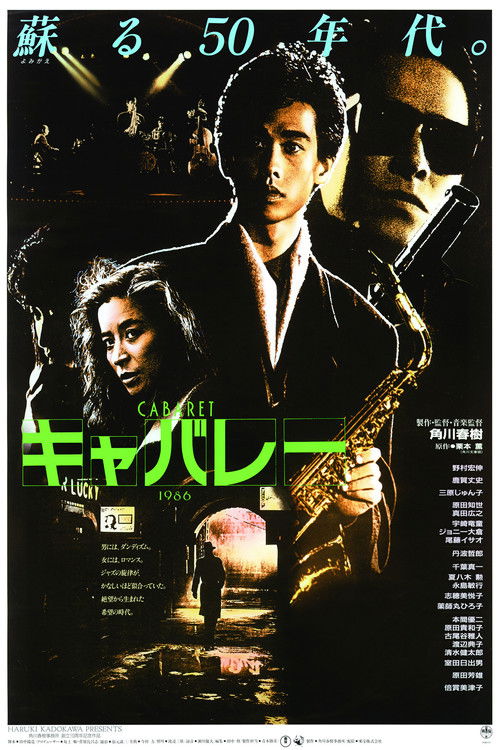
1986
Director
Haruki Kadokawa
Runtime
104 minutes
Average Rating
No ratings yetNew Showbiz Analysis
Cabaret is a gritty crime thriller that explores the tension between individual artistic pursuits and the overwhelming influence of the Yakuza. It successfully provides a non-Western perspective on organized crime, moving away from typical Hollywood narratives to examine specific Japanese social mechanisms. However, the film struggles with traditional character archetypes. The narrative is heavily male-centric, and female characters are often portrayed as victims lacking independence. This reliance on violence against women to drive the plot limits the film's progressive depth. Ultimately, the film is a study of power and consequences. While it offers a unique cultural lens on systemic corruption, it remains tied to traditional gender roles and lacks diverse representation.
Category Breakdown
The film does not depict any non-straight relationships or same-sex intimacy. The relationship between the musician and the Yakuza patron focuses on criminal patronage rather than sexual identity.
The story centers on male-driven conflict and power dynamics. Female characters are primarily portrayed as victims of systemic violence, serving as catalysts for male development rather than having independent roles.
As a Japanese production, the film offers a non-Western perspective on organized crime. It presents a culturally specific look at social hierarchies without emphasizing multi-ethnic blending.
The story critiques traditional authority by showing the Yakuza as an indifferent, corrupt force. It explores the breakdown of social stability through the musician's struggle against systemic corruption.
There is no information available regarding the depiction of physical or neurodivergent disabilities in this work.
Present on Screen
Limited or Absent
Official Synopsis
A young jazz musician's desire to advance in his career runs afoul of organized crime in this thriller from Haruki Kadokawa. After a saxophonist starts playing at a particular nightspot, a thug from the Yakuza adopts him as a special friend for no greater reason than he plays one of his favorite songs well. As the dangerous life of the gangster intertwines with that of the musician, it brings harm to the musician's girlfriend, who is raped. This changes the young saxophonist's attitude about his patron, but his Yakuza "friend" is still too embroiled in his own problems to worry about anything else.
1964
1969
1998
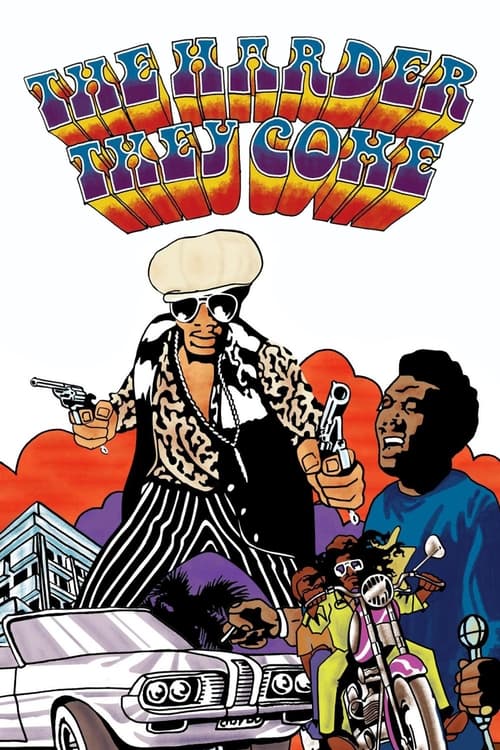
1972
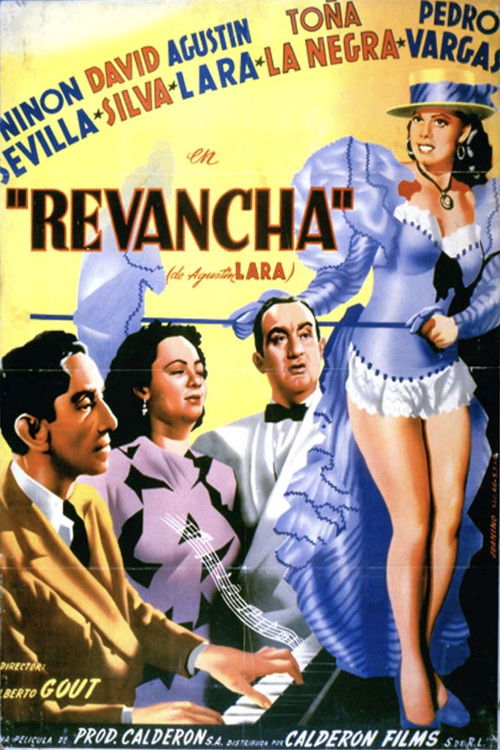
1948
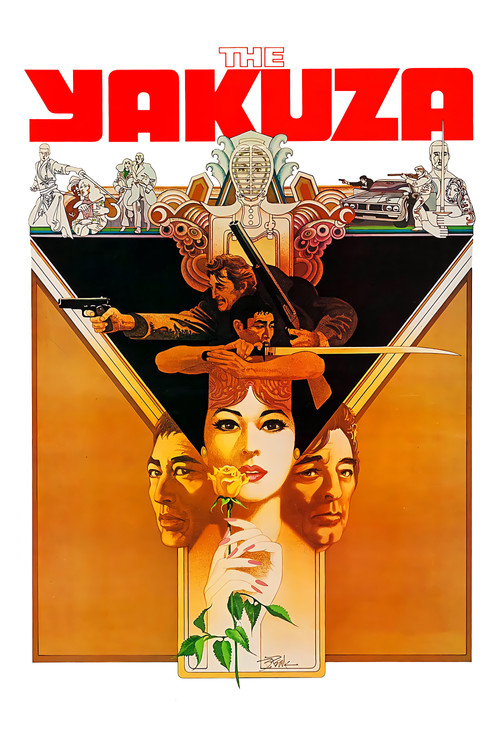
1974
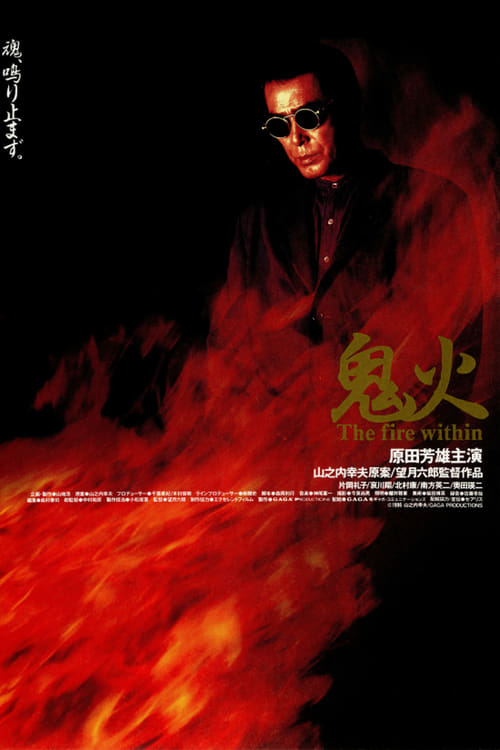
1997
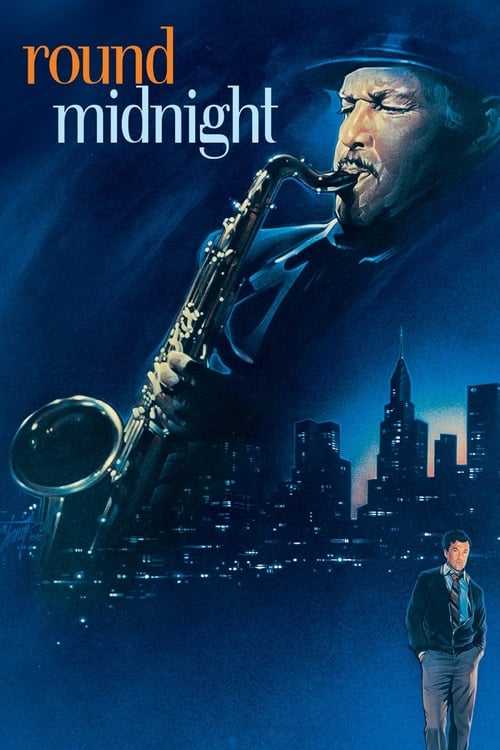
1986
No reviews yet. Be the first to share your thoughts on this movie!
Use the rating form above to leave a star rating and optional review.