
Mathilukal
1990
No user ratings available yet
Representation score: 7.0 out of 10
Representation Score
Good
1985
Director
Balu Mahendra
Runtime
124 minutes
Average Rating
No ratings yetNew Showbiz Analysis
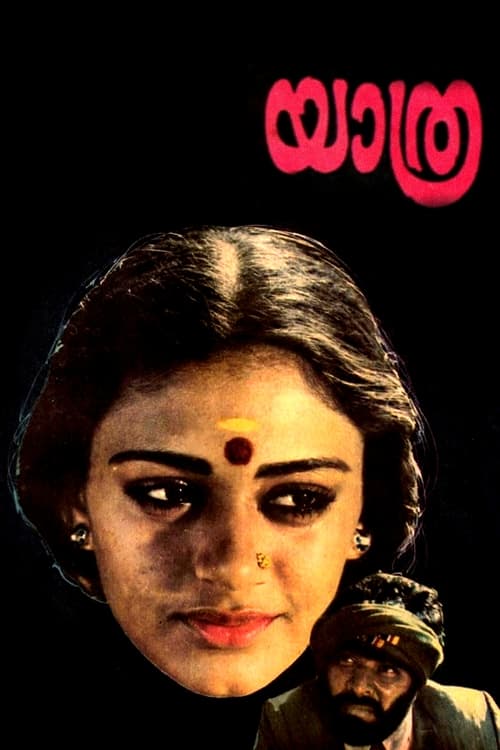
Yathra is a naturalistic character study that uses a non-linear structure to explore how institutional failures impact personal lives. It successfully critiques the hegemony of standard state-centric narratives through a specific historical context. The film's strength lies in its cultural authenticity and its resistance to Western-centric storytelling clichés. It effectively critiques institutional power and state-sanctioned human rights violations. However, the film remains tied to traditional gender hierarchies and straight-centered romantic clichés. It lacks representation for LGBTQ+ identities and does not address physical or neurodivergent disabilities within its primary character arcs.
Category Breakdown
The film focuses on heterosexual relationships, particularly the bond between Unnikrishnan and Thulasi. There is no indication of queer subtext or non-straight identities within the plot.
The film centers around a male protagonist's journey, with female characters playing crucial roles in the emotional storyline. However, the film adheres to traditional gender roles without challenging conventional gender hierarchies.
The film showcases an authentic South Indian landscape. By focusing on the socio-political realities of the Indian Emergency, it emphasizes a localized identity that resists Western-centric cinematic homogenization.
The story offers a significant critique of institutional power and human rights violations. It deconstructs absolute state authority by highlighting an individual's struggle against an oppressive system.
There is no significant focus on visible or invisible disabilities. The protagonist's trauma is systemic and psychological rather than rooted in a specific physical or neurodivergent condition.
Present on Screen
Limited or Absent
Official Synopsis
Based upon the human rights violations by the police and the prison authorities in India during the emergency of 1975–1977, the film tells the story of Unnikrishnan, an ex-convict. Recently released from prison, Unnikrishnan relays his life story to fellow passengers on a bus. He tells of his orphan upbringing, career as a forest official, and love for a young woman named Thulasi, whom he promised he'd marry, before he was erroneously arrested for a crime he did not commit.
1990
1982
1963
1939
1983
2011
2006

1999
No reviews yet. Be the first to share your thoughts on this movie!
Use the rating form above to leave a star rating and optional review.