Manoos
1939
No user ratings available yet
Representation score: 5.8 out of 10
Representation Score
Fair
1963
Director
Bimal Roy
Runtime
157 minutes
Average Rating
No ratings yetNew Showbiz Analysis
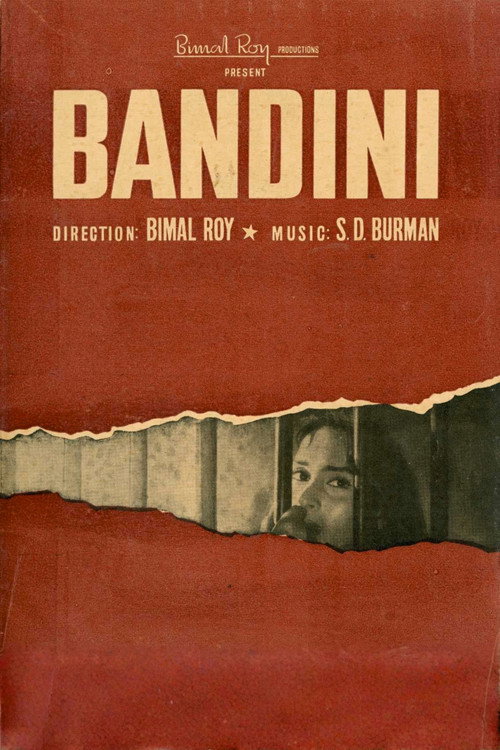
Bimal Roy’s *Bandini* is a sophisticated social realist drama that uses a prison setting to challenge traditional hierarchies. It excels by centering a woman's struggle for autonomy against patriarchal and colonial pressures, providing a nuanced look at personal empowerment. The film's strength lies in its post-colonial perspective and its critique of feudalism. By focusing on the internal complexities of Bengali society, it reclaims the narrative from a colonial lens and questions the moral authority of established institutions. However, the film lacks representation for LGBTQ+ identities and individuals with disabilities. While it offers a deep exploration of class and gender, these specific demographic areas remain unaddressed.
Category Breakdown
The film does not include any LGBTQ+ characters or narratives. Romantic tension is confined to heterosexual relationships typical of the 1930s.
The protagonist challenges traditional female stereotypes through her defiance of societal norms. The story emphasizes her role in driving the plot and her emotional journey rather than passive roles.
Set during the British Raj, the film highlights Indian identity and social stratification. It centers the rural Bengali experience, avoiding a Western-centric viewpoint.
The story criticizes feudalism and rigid moral systems. It portrays the protagonist's actions as a reaction to an oppressive and inflexible social structure.
The film does not depict any visible or invisible disabilities. No character arcs are influenced by disability.
Present on Screen
Limited or Absent
Official Synopsis
In 1930s British-ruled Bengal, a prison-doctor falls in love with a convicted murderer with past connections to a freedom fighter.
1939

1954
1985

1970

1956

1959
1975
1984
No reviews yet. Be the first to share your thoughts on this movie!
Use the rating form above to leave a star rating and optional review.