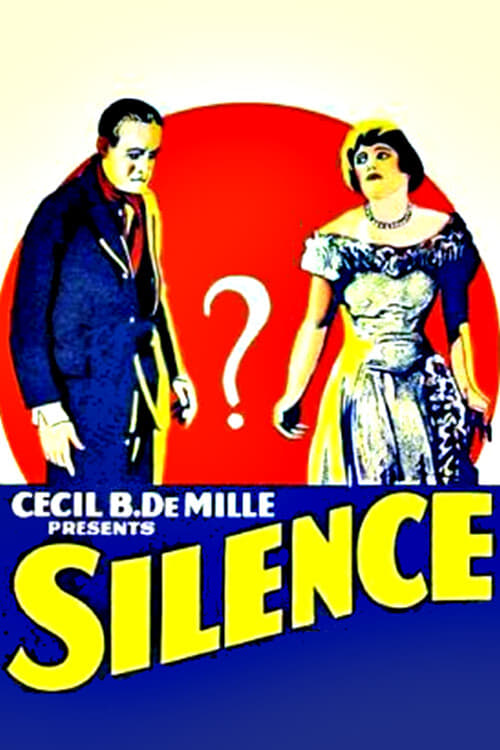
Silence
1926
No user ratings available yet
Representation score: 1.7 out of 10
Representation Score
Minimal
1919
PassedDirector
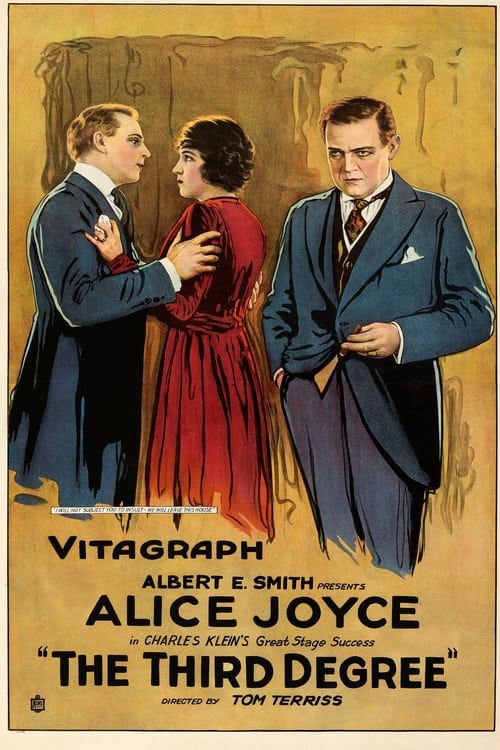
Tom Terriss
Runtime
50 minutes
Average Rating
No ratings yetNew Showbiz Analysis
The film primarily serves as a critique of systemic institutional power rather than a study of demographic diversity. It highlights the coercive methods used by law enforcement to extract confessions, emphasizing the fallibility of legal structures. While the narrative does not explore multi-layered issues related to race, gender, or LGBTQ+ identities, it successfully deconstructs the cliché of the police as inherently just. Instead, it portrays the state as a source of instability that can undermine the family unit. Ultimately, the work’s value lies in its institutional skepticism, exploring how absolute authority can override individual truths.
Category Breakdown
The film does not include any characters with LGBTQ+ identities or address queer experiences.
The story focuses on the male experience of interrogation and legal struggles, with women likely having traditional domestic roles.
There is no indication of a non-white or multi-ethnic cast. The story seems to center on a homogeneous, localized community.
The film criticizes Western institutional authority by depicting the police as a corruptive force. It challenges established power dynamics and questions the infallibility of the state.
No characters with physical or neurodivergent disabilities are shown taking a leading role or being central to the plot.
Present on Screen
Limited or Absent
Official Synopsis
An expose of the methods used by a police-department to extract a confession from a suspect, regardless of innocence or guilt, and the effect and consequences on a family when an innocent member breaks under the interrogation methods and confesses to a crime he did not commit.
1926

1981
1930
1948

1940

1956
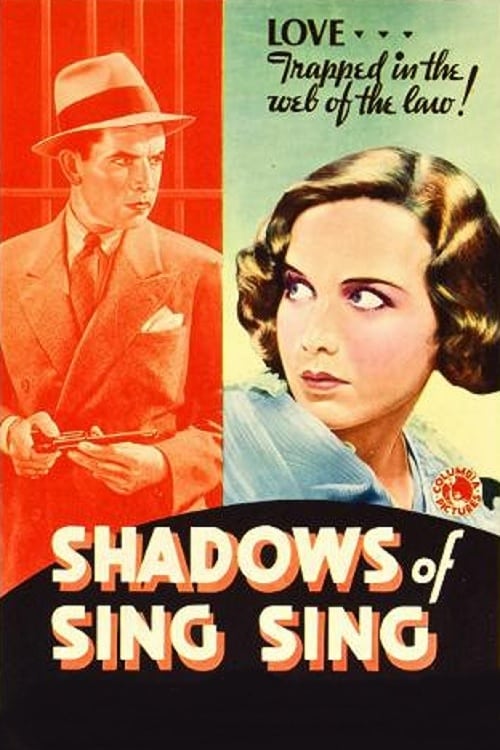
1933

1930
No reviews yet. Be the first to share your thoughts on this movie!
Use the rating form above to leave a star rating and optional review.