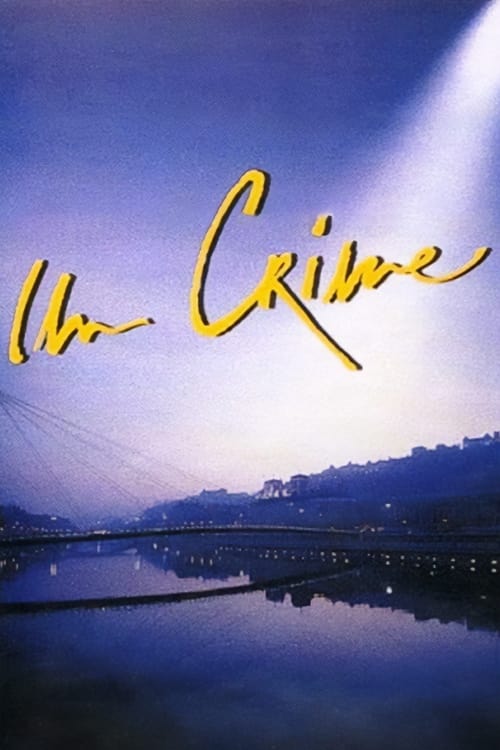
A Crime
1993
No user ratings available yet
Representation score: 0.5 out of 10
Representation Score
Fair
1981
Director
Claude Miller
Runtime
84 minutes
Average Rating
No ratings yetNew Showbiz Analysis
Claude Miller’s film is a claustrophobic psychological study that prioritizes intellectual combat over demographic breadth. It succeeds as a sophisticated cultural critique, challenging the perceived infallibility of state institutions and the stability of truth. However, the film's narrow focus results in significant gaps in representation. The narrative is heavily centered on a masculine confrontation, leaving little room for female characters who take control of their own stories, racial diversity, or LGBTQ+ perspectives. Ultimately, the work trades demographic inclusivity for a concentrated, postmodern interrogation of power. It is a specialized character study that lacks depth in representing diverse identities.
Category Breakdown
The film operates within a strictly heterosexual and cisgender framework. The narrative focuses entirely on a psychological duel between two men, offering no queer subtext or non-binary identities.
Gender dynamics are secondary to the central masculine confrontation. While the film avoids promoting submissive femininity, it lacks female characters who take control of their own stories.
The cast is largely homogeneous, reflecting a specific European social stratum. The story focuses on the internal hierarchies of the French professional class rather than racial diversity.
The film excels at critiquing institutional integrity and the opacity of Western legal structures. It portrays justice as a subjective, psychological game rather than a stable moral certainty.
There is no intentional depiction of physical or neurodivergent disabilities. The characters' conflicts are purely psychological and existential in nature.
Present on Screen
Limited or Absent
Official Synopsis
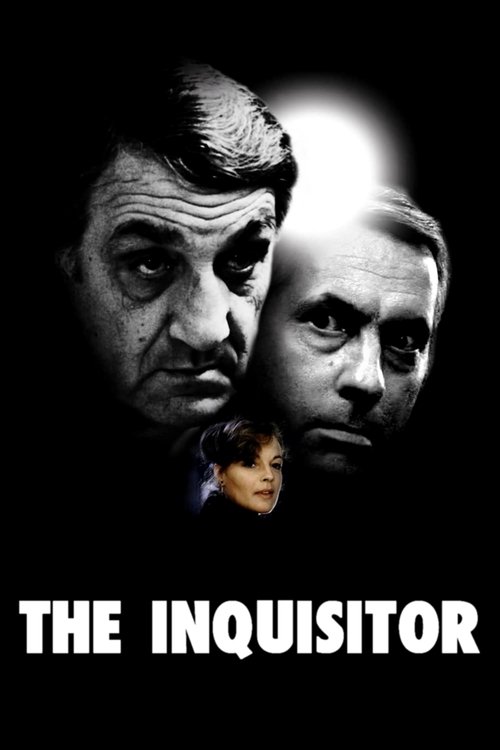
Martinaud, an illustrious notary suspected of being the perpetrator of two horrendous crimes, voluntarily agrees to be questioned by Inspector Gallien on New Year's Eve. What initially is a routine procedure, soon becomes a harsh interrogation that seems to confirm the initial suspicions.
1993

1958
1957
1960
1961
1997
1982
1962
No reviews yet. Be the first to share your thoughts on this movie!
Use the rating form above to leave a star rating and optional review.