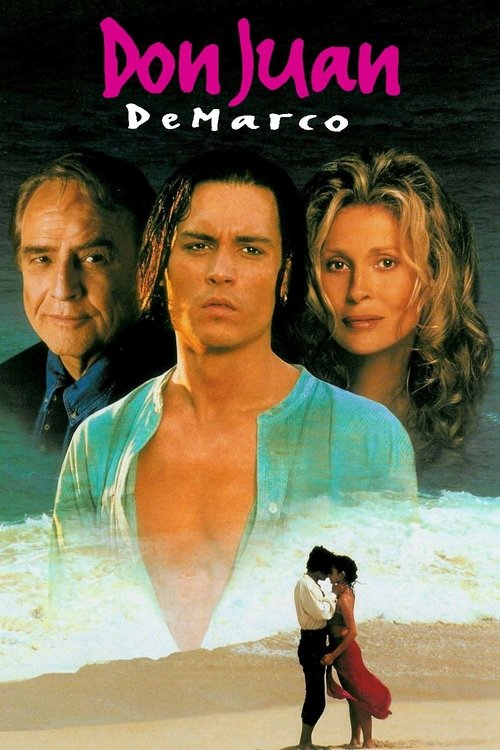
Don Juan DeMarco
1994
No user ratings available yet
Representation score: 4.5 out of 10
Representation Score
Good
1990
PG-13Director
Woody Allen
Runtime
102 minutes
Average Rating
No ratings yetNew Showbiz Analysis
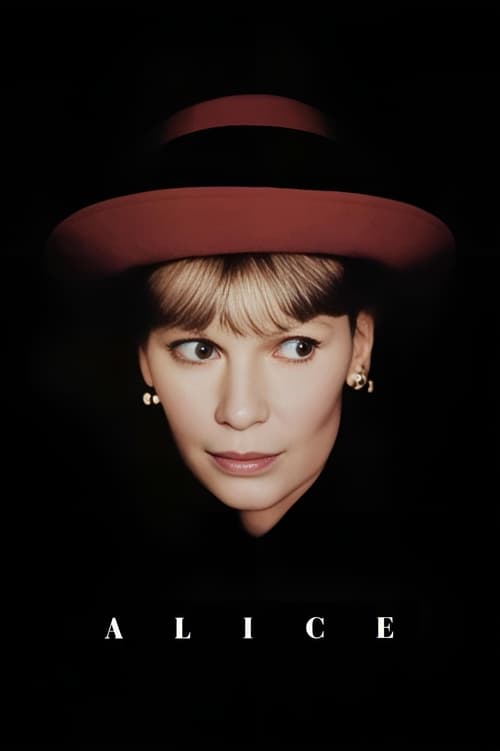
Alice is a character study that prioritizes individualist existentialism over demographic breadth. It succeeds in challenging traditional domestic hierarchies by centering on a woman's pursuit of personal fulfillment. However, the film remains limited by its narrow socioeconomic and racial scope. The narrative focuses on a specific urban enclave, which restricts the diversity of the cast and setting. Ultimately, the film's strength lies in its psychological depth and its challenge to the sanctity of traditional marriage, even as it lacks meaningful LGBTQ+ or characters who reflect more than one aspect of diversity.
Category Breakdown
The film does not feature prominent LGBTQ+ characters or explore non-cisgender identities. Romantic storylines focus on heterosexual relationships throughout the movie.
Alice's journey emphasizes her intellectual and emotional independence over her roles as a wife or mother. The film passes the Bechdel test by focusing on female characters' existential concerns.
The setting reflects a predominantly white, upper-middle-class New York demographic. While Dr. Yang introduces an Asian element, it serves as a magical catalyst rather than a deep study of identity.
The narrative embraces secularism and postmodernist values, favoring personal happiness over institutional morality. It treats traditional family structures as potential sources of stagnation rather than ideals.
Mental health and psychological distress are explored through the lens of existential neurosis. However, the film lacks representation of physical or neurodivergent disabilities.
Present on Screen
Limited or Absent
Official Synopsis
Alice Tate, mother of two, with a marriage of 16 years, finds herself falling for a handsome sax player, Joe. Stricken with a backache, she consults herbalist Dr. Yang, who realizes that her problems are not related to her back, but in her mind and heart. Dr. Yang's magical herbs give Alice wondrous powers, taking her out of her well-established rut.
1994
1958
2005
1965

1999
1976
1991

1967
No reviews yet. Be the first to share your thoughts on this movie!
Use the rating form above to leave a star rating and optional review.