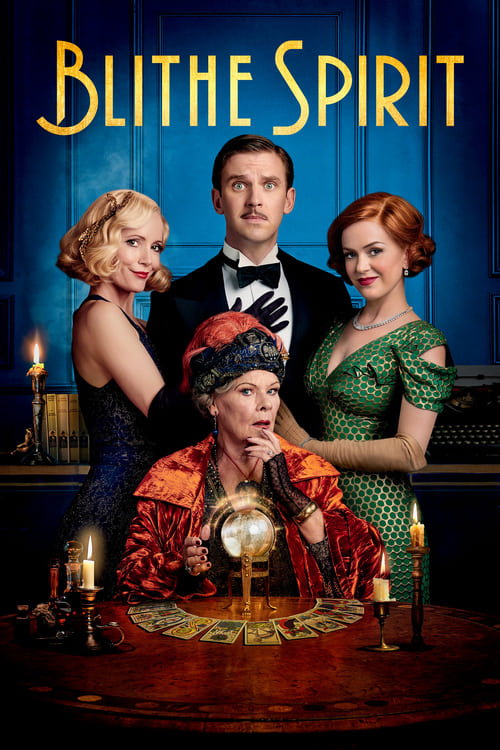
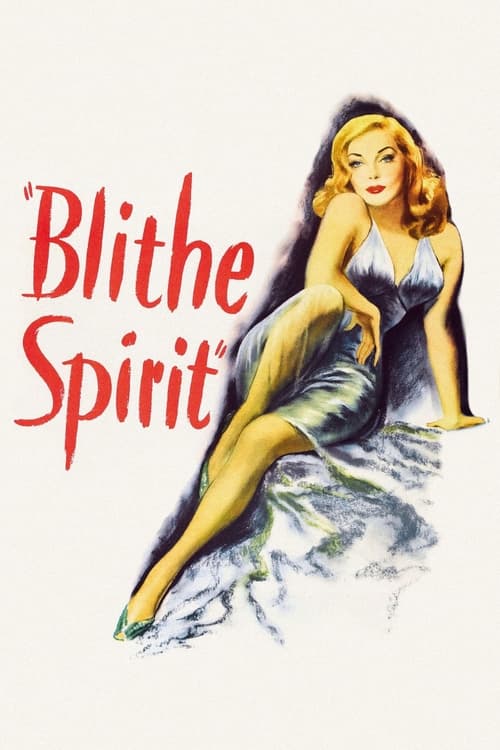
Blithe Spirit
2020
No user ratings available yet
Representation score: 1.4 out of 10
Representation Score
Minimal
1945
NRDirector
David Lean
Runtime
96 minutes
Average Rating
No ratings yetNew Showbiz Analysis
David Lean’s adaptation of Noël Coward’s work is a sophisticated portrayal of the British leisure class. It excels in witty, high-society dialogue but remains firmly rooted in the social hierarchies of its 1940s setting. The film serves as a historical snapshot of a specific, homogeneous social stratum. While the female characters exhibit significant verbal ability to act and wit, the narrative structure relies on traditional comedic formulas regarding domestic and marital conflicts. Ultimately, the film lacks representation of multiple aspects of identity. It prioritizes the preservation of established social decorum over any intentional challenges to systemic hierarchies or diverse identity inclusion.
Category Breakdown
The film focuses solely on heterosexual relationships within a family setting. It does not include any non-cisgender identities or same-sex relationships.
Female characters Ruth and Elvira have conversations with each other, passing a version of the Bechdel Test. However, their interactions revolve around competing for a central male character's attention.
The cast is uniform, representing the mid-century British upper-class demographic. There is no indication of non-white actors or diverse ethnic backgrounds.
The story upholds traditional Western social structures and high-society etiquette. It celebrates British aristocracy without questioning these societal norms.
The narrative does not feature characters with visible or invisible disabilities. It avoids themes related to neurodivergence or physical impairments.
Present on Screen
Limited or Absent
Official Synopsis
While holding a séance for skeptical novelist Charles Condomine, self-proclaimed 'spiritualist medium' Madame Arcati inadvertently summons the spirit of his deceased first wife Elvira, leading to an increasingly complex love triangle with Ruth, his current wife of five years.
2020

1950

1958
1965

1941
1942
1988
1947
No reviews yet. Be the first to share your thoughts on this movie!
Use the rating form above to leave a star rating and optional review.