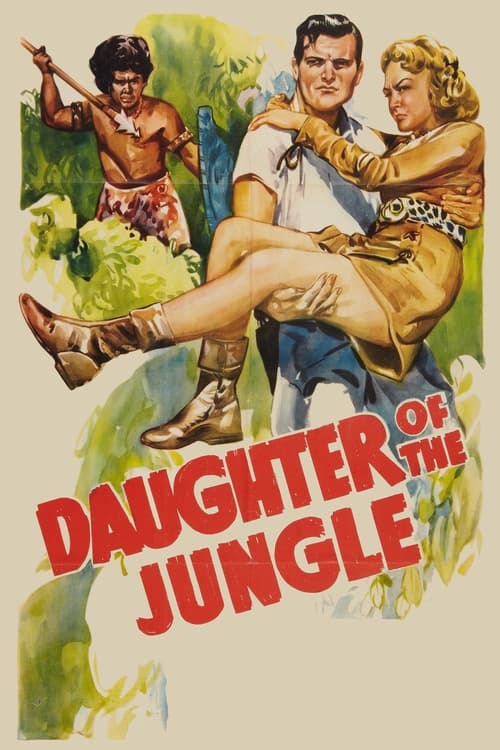
Daughter of the Jungle
1949
No user ratings available yet
Representation score: 1.2 out of 10

Representation Score
Minimal
1930
PassedDirector
Alfred E. Green
Runtime
73 minutes
Average Rating
No ratings yetNew Showbiz Analysis
The Green Goddess is a product of its time, using a colonial adventure framework that prioritizes Western protagonists. The film adheres to conventional 1930s cinematic clichés, focusing on adventure and colonial-era dynamics that reinforce the status quo. While the film includes ethnic variety through its setting in the kingdom of Rukh, it lacks the depth and ability to act needed for nuanced representation. The power dynamics are defined by established colonial hierarchies. Ultimately, the film does not aim to disrupt social hierarchies or provide multi-layered perspectives, functioning instead as a typical genre piece of the early sound era.
Category Breakdown
The film follows the social structures of the early 1930s and does not include any queer narratives or non-traditional gender identities.
Constance Bennett portrays a strong female lead with romantic ability to act. However, the narrative remains centered around masculine-coded adventure clichés and colonial hierarchies.
The story features a conflict between British protagonists and a foreign Rajah. This framework reinforces Western dominance without providing deep, multi-layered representation.
The premise reflects the era's focus on Western expansion. The narrative upholds traditional social and political hierarchies without challenging Western dominance.
There is no representation of physical or neurodivergent disabilities within the film's known narrative.
Present on Screen
Limited or Absent
Official Synopsis
An airplane carrying three Brits crash lands in the kingdom of Rukh. The Rajah holds them prisoner because the British are about to execute his three half-brothers in neighboring India.
1949

1959

1930

1932

1939

1939

1931

1967
No reviews yet. Be the first to share your thoughts on this movie!
Use the rating form above to leave a star rating and optional review.