
Seven Sinners
1940
No user ratings available yet
Diversity score: 2.3 out of 10
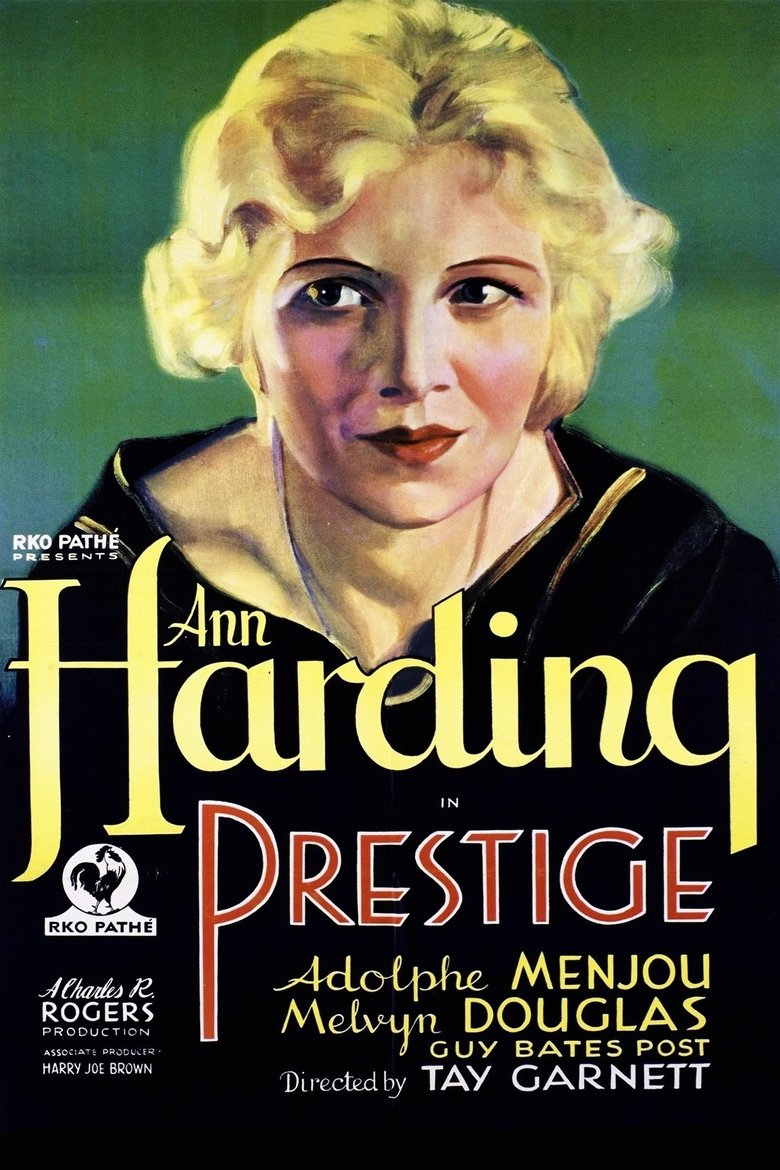
1932
PassedDirector
Tay Garnett
Runtime
71 minutes
Average Rating
No ratings yetSynopsis
A woman joins her fiance at a Malaysian prison camp only to discover he's become an alcoholic.
Overall Score
Minimal
Category Breakdown
LGBTQ+ Representation
The film follows a heteronormative romantic structure centered on a female protagonist and her fiancé. There is no evidence of non-cisnormative identities or critiques of heteronormativity.
Gender Representation
A female protagonist provides visibility, but her agency remains tethered to the male lead. The plot relies on traditional dynamics where a woman travels to address a man's crisis.
Racial & Ethnic Diversity
The Malaysian setting likely serves as an exotic backdrop for Western protagonists. Local populations appear to function as atmospheric elements rather than empowered, central figures.
Religious & Cultural Diversity
The narrative operates within early 20th-century Western morality. It focuses on individual Western experiences rather than critiquing institutions or promoting diverse secular ideologies.
Disability Representation
Alcoholism is presented as a character flaw rather than a nuanced exploration of health. There is no evidence of neurodivergence or physical disability portrayed with agency.
Strengths
Areas for Improvement
AI Analysis
Prestige is a traditional adventure-melodrama that adheres strictly to the storytelling conventions of the early 1930s. The narrative relies on a colonial backdrop and conventional romantic tropes to drive the plot. The film lacks intentional subversion of social hierarchies. Instead, it reinforces established norms through its character dynamics and its use of a Southeast Asian setting as a mere aesthetic backdrop. Ultimately, the work prioritizes a Western-centric perspective, offering little room for intersectional depth or the representation of marginalized identities.
1940
1930

1935
1938
1932

1947

1941
1949
1939

1939
1932

1931
No reviews yet. Be the first to share your thoughts on this movie!
Use the rating form above to leave a star rating and optional review.