
G.B.H.
1983
No user ratings available yet
Representation score: 3.9 out of 10
Representation Score
Fair
1997
RDirector
Antonia Bird
Runtime
105 minutes
Average Rating
No ratings yetNew Showbiz Analysis
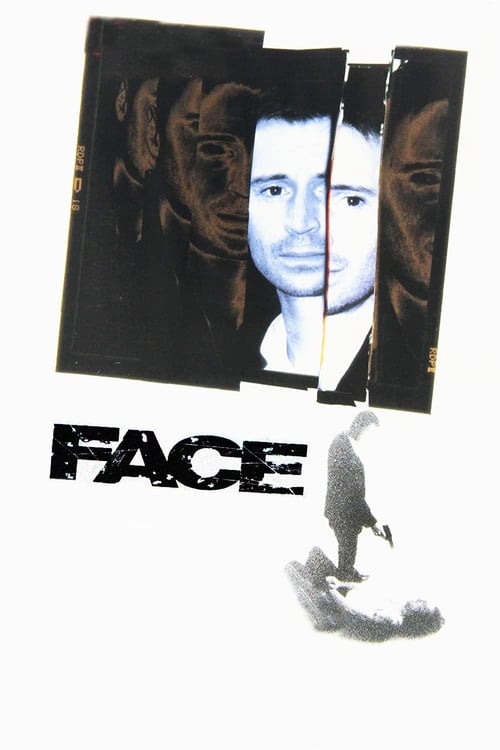
Antonia Bird’s *Face* is a gritty social realist drama that prioritizes socio-political critique over broad demographic representation. It succeeds as an intellectual subversion of the state, using the decline of socialism to frame criminality as a byproduct of systemic economic shifts. However, the film remains deeply traditional in its demographic makeup, operating within a patriarchal framework and a hyper-masculine underworld, offering very little representation for women, LGBTQ+ individuals, or people with disabilities. Ultimately, the film’s progressive value lies in its cultural commentary rather than its casting, providing a nuanced, relativistic view of survival within a collapsing social framework, even if it lacks multi-layered diversity.
Category Breakdown
The film primarily focuses on hyper-masculine criminal environments and lacks narratives that challenge traditional gender norms. There is no representation of LGBTQ+ identities or stories that question the assumption that everyone is straight or cisgender.
Power dynamics are centered around male-dominated hierarchies, emphasizing male control and conflict. Female characters are mostly sidelined, serving as emotional support rather than playing a central role in driving the plot.
The film captures a localized urban British experience but presents a homogeneous depiction of the working class. It does not actively use diverse casting to break away from traditional crime drama stereotypes.
The narrative excels in criticizing Western institutional stability and capitalist structures. By focusing on an ex-socialist protagonist, it portrays anti-social behavior as a result of a broken social contract.
There is no significant or intentional focus on neurodivergence, physical disabilities, or chronic illnesses. Characters are defined by their social and economic status rather than by physical or cognitive diversity.
Present on Screen
Limited or Absent
Official Synopsis
Ray is an aging ex-socialist who has become a bankrobber after seeing the demise of socialism in 1980s Britain. Teaming up with a gang of other has-beenish crims, he commits one bank job too many. The gang dissolves in a murderous flurry of recriminations.
1983
1998

2022
2008
1971

1987

2009
2011
No reviews yet. Be the first to share your thoughts on this movie!
Use the rating form above to leave a star rating and optional review.