
Hennessy
1975
No user ratings available yet
Representation score: 1.4 out of 10
Representation Score
Minimal
1987
RDirector
Mike Hodges
Runtime
107 minutes
Average Rating
No ratings yetNew Showbiz Analysis
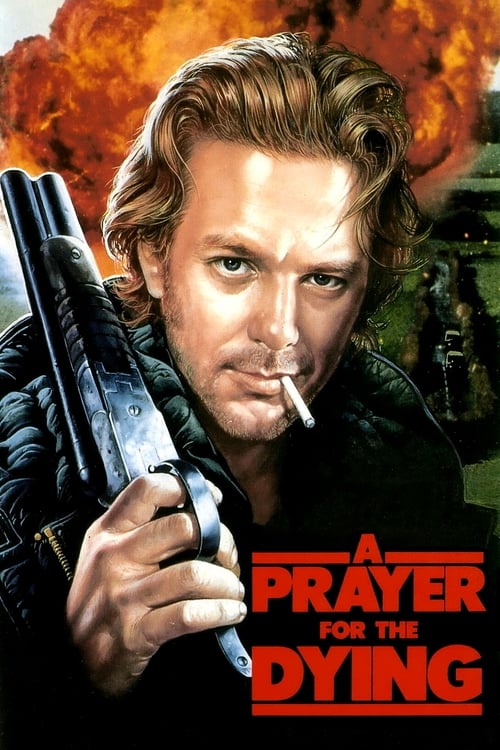
A Prayer for the Dying is a traditional crime drama that emphasizes genre conventions and psychological tension over diverse representation. The narrative structure reinforces existing social hierarchies without challenging them. The film explores moral ambiguity within a specific political and religious context but does not aim to disrupt conventional expectations about identity, gender, or race.
Category Breakdown
The film does not include any LGBTQ+ characters or explore non-straight relationships.
Male characters have the majority of narrative ability to act, while female characters are mostly sidekicks or emotional supports for the men.
The cast is very uniform, representing a specific socioeconomic group, primarily white and middle-class.
The film examines moral ambiguity through the relationship between a hitman and a priest, using political conflict as a backdrop for individual morality.
No characters with visible or invisible disabilities are central to the plot, nor are there any neurodivergent characters.
Present on Screen
Limited or Absent
Official Synopsis
Martin, an I.R.A. hitman, is seen by a Catholic priest while carrying out a hit. He grows a bond with the priest and his niece. But his past and his former employers put all their lives in danger.
1975
1947
1988
1998
1980

1984
2003
2008
No reviews yet. Be the first to share your thoughts on this movie!
Use the rating form above to leave a star rating and optional review.