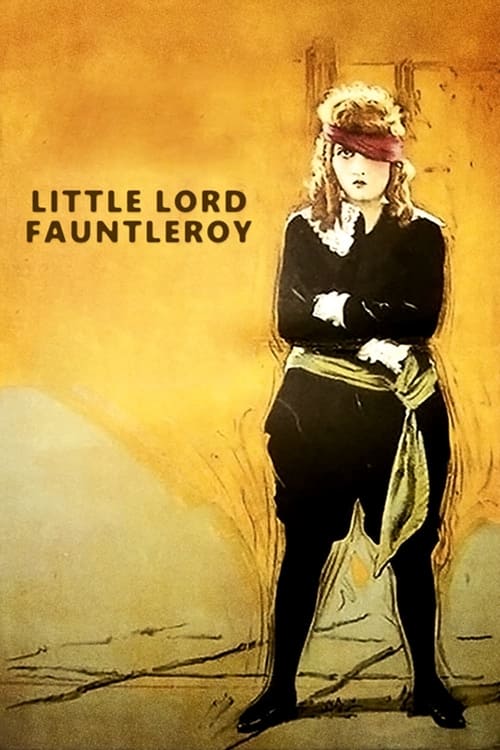
Little Lord Fauntleroy
1921
No user ratings available yet
Representation score: 0.3 out of 10
Representation Score
Minimal
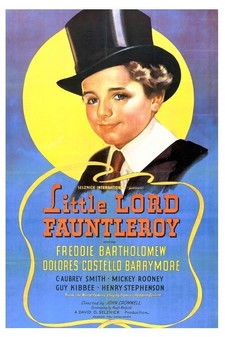
1936
NRDirector
John Cromwell
Runtime
102 minutes
Average Rating
No ratings yetNew Showbiz Analysis
Little Lord Fauntleroy (1936) is a traditionalist period drama that reinforces established social hierarchies and class structures. The story centers on preserving patriarchal lineage within a rigid aristocratic framework. The film offers a singular, Western-centric perspective with a homogeneous cast. It adheres to the social constraints and cinematic conventions of the mid-1930s, presenting no disruption to systemic norms. Overall, the film celebrates traditional institutions and prioritizes sentimentalism over any critique of class or gendered power dynamics.
Category Breakdown
The film does not depict any LGBTQ+ identities or queer subtext. It focuses solely on conventional heterosexual relationships and domestic life, reinforcing traditional family structures.
Female characters are mostly portrayed in supportive, nurturing roles that align with traditional feminine stereotypes. The central storyline emphasizes a male-dominated dynamic, limiting the roles and influence of women.
The film features a predominantly white, Anglo-Saxon cast with no characters from diverse ethnic backgrounds. There is no attempt at color-blind casting or inclusion of multicultural characters.
The narrative upholds traditional Western institutions such as lineage and authority. It celebrates the stability of the aristocratic system through sentimentalism, reinforcing the existing social order.
The film does not feature any prominent characters with disabilities, either physical or neurodivergent. Characters are presented as fully able-bodied, without addressing the complexities of disability.
Present on Screen
Limited or Absent
Official Synopsis
An American boy turns out to be the heir of a wealthy British earl. He is sent to live with the irritable and unsentimental aristocrat, his grandfather.
1921
1980

1959

1937
1936
1945
1952
1946
No reviews yet. Be the first to share your thoughts on this movie!
Use the rating form above to leave a star rating and optional review.