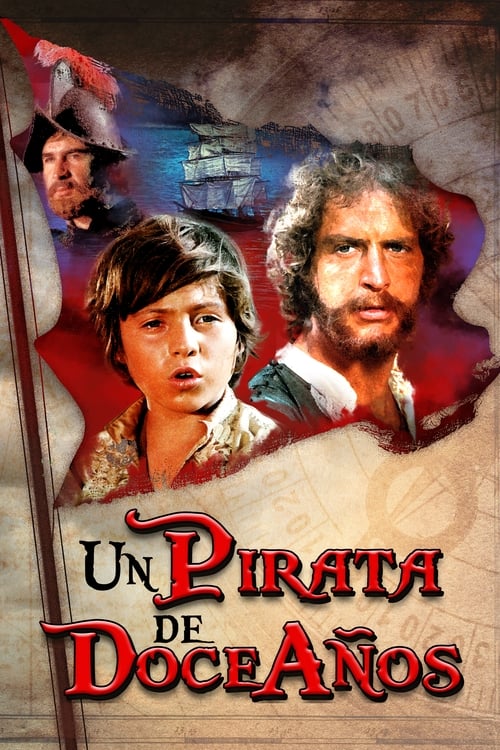
A Twelve Year Old Pirate
1972
No user ratings available yet
Representation score: 1.4 out of 10
Representation Score
Fair
1965
ApprovedDirector
Alexander Mackendrick
Runtime
103 minutes
Average Rating
No ratings yetNew Showbiz Analysis
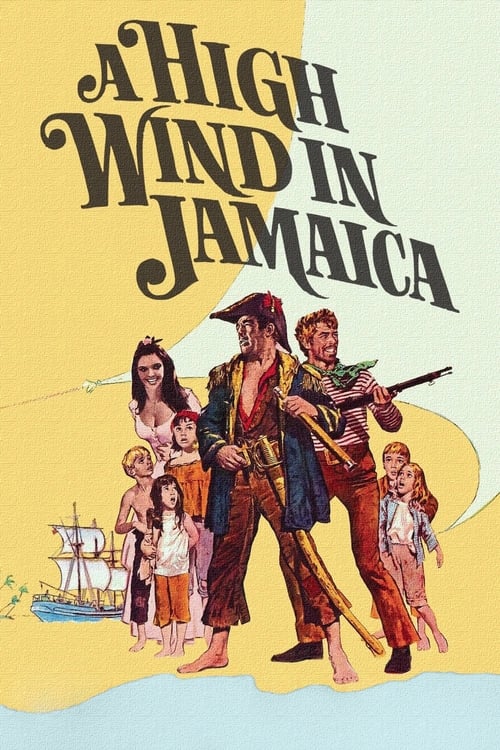
Alexander Mackendrick’s film stands out for its sophisticated approach to a colonial setting. By centering a Black female protagonist, the narrative challenges both gendered and colonial hierarchies. The story goes beyond simple adventure to explore how Western institutions like education and literature affect colonial subjects. The film's strength lies in its refusal to follow the 'civilizing' clichés common in 1960s cinema. Instead, it highlights the friction between imported British values and the lived experiences of the Jamaican population. This creates a nuanced psychological landscape for the characters. While the film excels in cultural and racial depth, it lacks representation for LGBTQ+ identities and disability. However, its focus on intellectual ability to act and post-colonial critique provides a significant departure from the period's standard cinematic norms.
Category Breakdown
The film does not include any LGBTQ+ characters. The story focuses on the protagonist's relationship with literature and her surroundings.
Jenny Jones challenges traditional gender roles by emphasizing her intellectual independence. She rejects submissive roles and uses adventure literature to shape her reality.
Set in 1870 Jamaica, the film features a predominantly Black cast. It examines colonial social structures without resorting to whitewashing.
The film critiques Western dominance and the imposition of colonial values. It explores the psychological tension between imported Western ideals and local Jamaican realities.
There are no prominent depictions of physical or neurodivergent disabilities that drive the central plot.
Present on Screen
Limited or Absent
Official Synopsis
In 1870, a Jamaican colonial family sends its children to Britain for proper schooling, but their ship is taken over by pirates, who become fond of the kids.
1972

1955
1956
1970
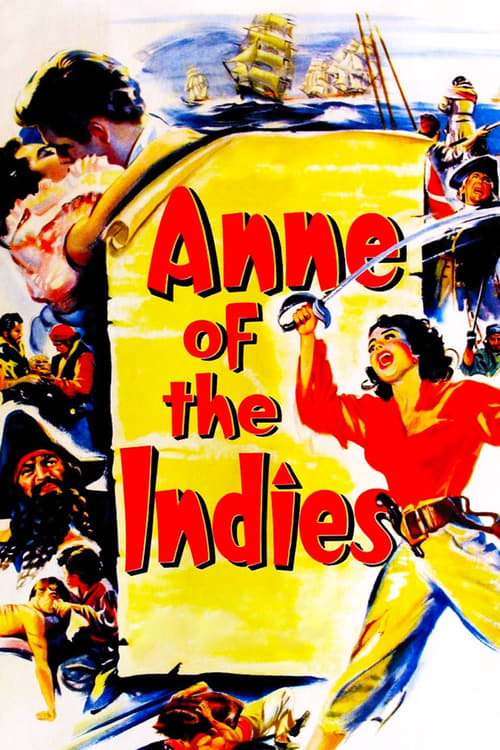
1951
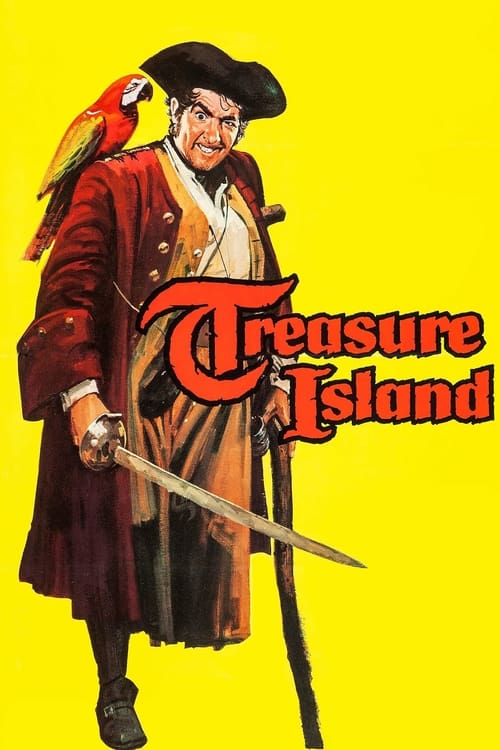
1950
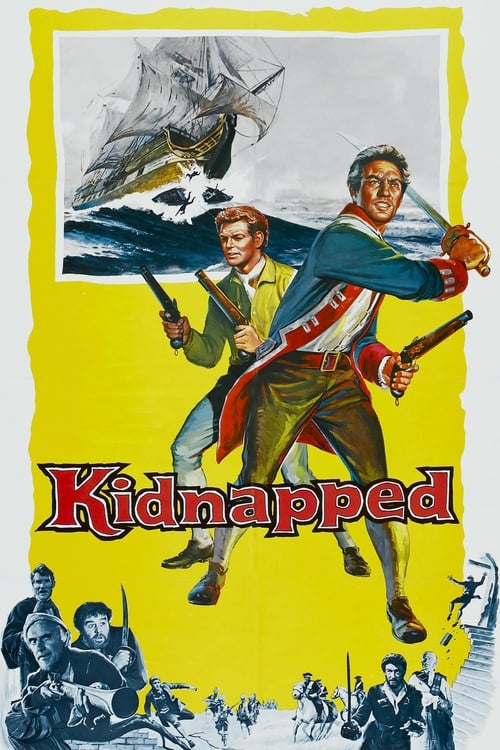
1960
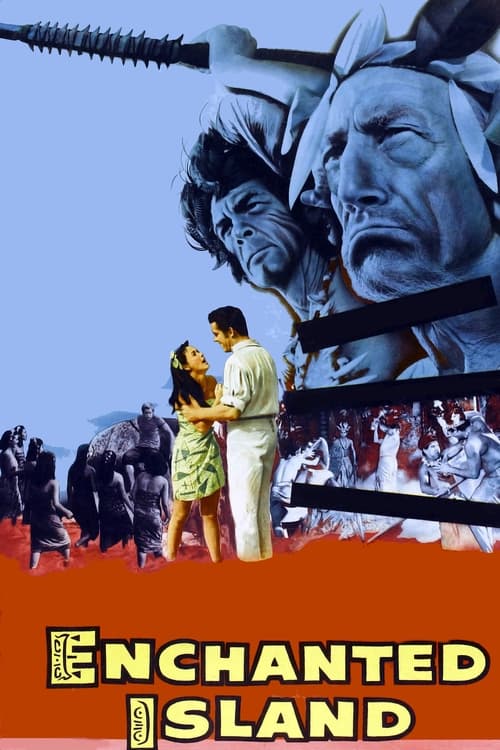
1958
No reviews yet. Be the first to share your thoughts on this movie!
Use the rating form above to leave a star rating and optional review.