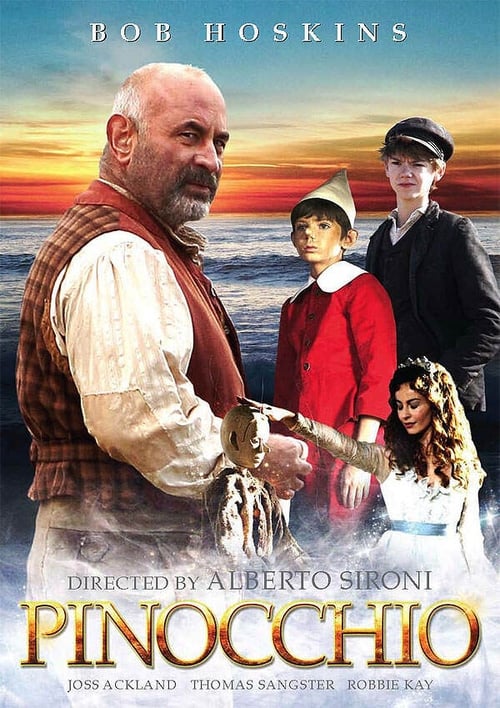
Pinocchio
2009
No user ratings available yet
Representation score: 4.7 out of 10

Representation Score
Good
2022
PGDirector
Mark Gustafson, Guillermo del Toro
Runtime
117 minutes
Average Rating
No ratings yetNew Showbiz Analysis
This stop-motion adaptation explores the tension between individual freedom and state-imposed conformity through a historical lens. By placing the fable in Mussolini's Italy, the film delves into complex themes of systemic oppression. The production effectively critiques cultural norms, challenging the weaponization of childhood by authoritarian regimes and emphasizing the importance of imperfection and mortality. While the film does not feature explicit LGBTQ+ characters or specific disabilities, its thematic focus on underrepresented individuals adds a layer of social commentary.
Category Breakdown
The film does not include explicit LGBTQ+ characters or relationships. Emotional bonds are portrayed through fatherly and friendly connections within the historical context.
The story focuses on the paternal bond between Geppetto and Pinocchio. Despite being set in the 1930s, it challenges traditional masculine archetypes by showing Geppetto's vulnerability and grief.
The narrative highlights socioeconomic disparities rather than specific racial categories. Characters like Spazzatura emphasize the struggles of the disenfranchised and working class.
The film critiques Fascist authority and nationalist institutions. It portrays disobedience as essential for personal autonomy and soulfulness.
No main characters are defined by specific disabilities. However, the film uses the theme of imperfection to challenge the ideal of a 'perfect' or 'whole' body.
Present on Screen
Limited or Absent
Official Synopsis
During the rise of fascism in Mussolini's Italy, a wooden boy brought magically to life struggles to live up to his father's expectations.
2009

2022

2022

2017
2023
1994

2020
1940
No reviews yet. Be the first to share your thoughts on this movie!
Use the rating form above to leave a star rating and optional review.