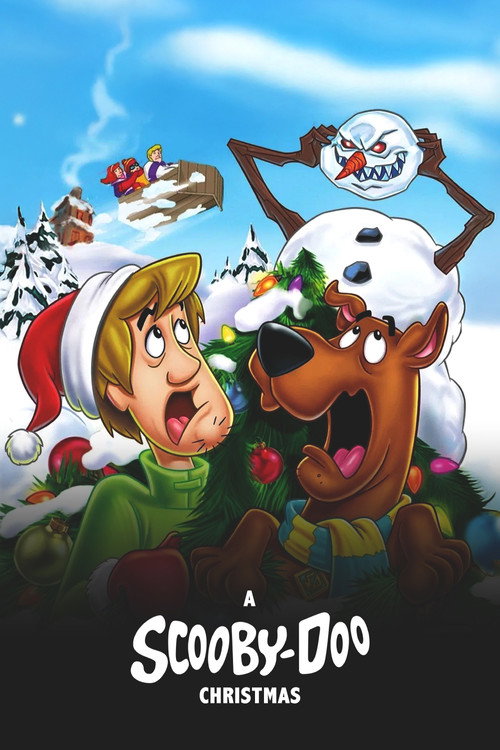
A Scooby-Doo! Christmas
2002
No user ratings available yet
Representation score: 2.6 out of 10
Representation Score
Excellent
1999
TV-14Director
Casper Kelly, Larry Morris, Steve Patrick
Runtime
20 minutes
Average Rating
No ratings yetNew Showbiz Analysis
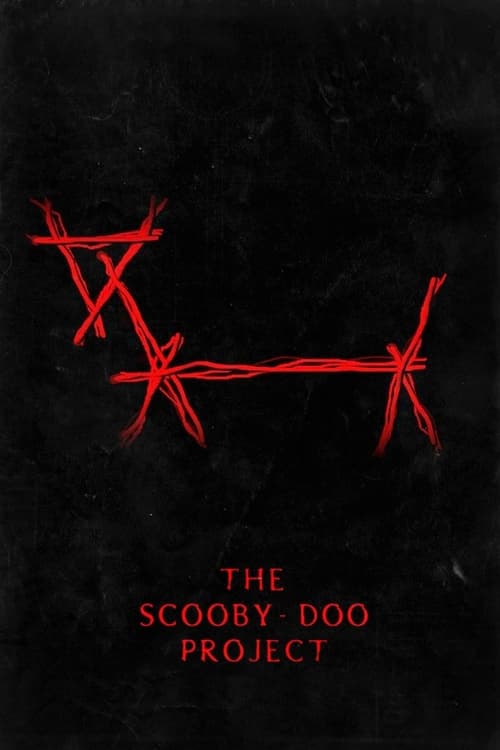
The film functions as a sophisticated meta-commentary that deconstructs the Scooby-Doo mythos through a found-footage lens. It succeeds by subverting traditional storytelling hierarchies and replacing rigid mystery structures with a skeptical, postmodern worldview. While the work lacks aggressive demographic diversification, it gains value through its intellectual subversion of genre norms. The narrative architecture prioritizes the deconstruction of 'cartoon reality' versus the real world. Ultimately, the project is a satire of media consumption. It trades traditional character archetypes for a self-aware framework that critiques the artifice of the mystery-solving procedural.
Category Breakdown
The film focuses on genre satire rather than identity politics. While the meta-narrative allows for fluid character interpretations, there is no explicit evidence of queer-coded subtext or non-traditional gender identities.
Velma holds significant intellectual authority as the group's documentarian and primary source of exposition. This role elevates her influence, contrasting with the heightened anxiety and comedic ineptitude of the male characters.
The ensemble remains largely homogeneous, adhering to the established visual language of the original franchise. The narrative prioritizes meta-commentary over introducing significant demographic shifts or challenging racial hierarchies.
The film critiques established structures by satirizing traditional folklore and community warnings. It uses a found-footage format to challenge the certainty of mystery genres and mediated experiences.
There is no explicit portrayal of physical disabilities or neurodivergence. While characters exhibit high situational anxiety, this serves comedic horror clichés rather than exploring mental health issues.
Present on Screen
Limited or Absent
Official Synopsis
In the Fall of 1999, four teenage sleuths and their Great Dane got lost in the woods while in search of a mystery. This is their story.
2002

2010
2019
1999
2013
1987
1998

2005
No reviews yet. Be the first to share your thoughts on this movie!
Use the rating form above to leave a star rating and optional review.