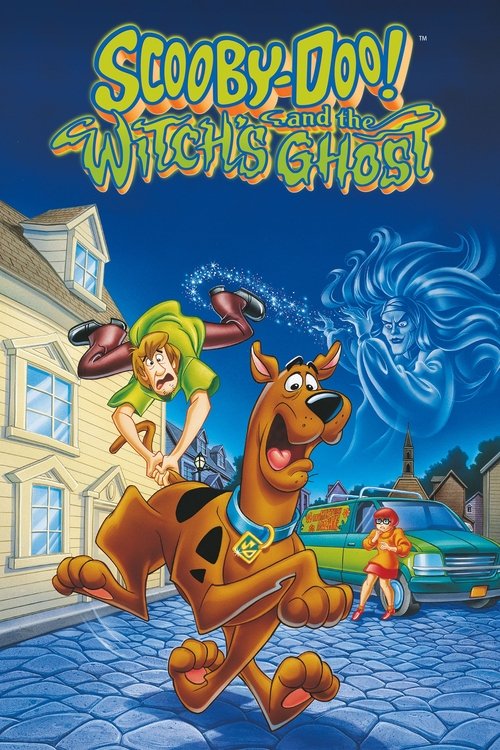
Scooby-Doo! and the Witch's Ghost
1999
No user ratings available yet
Representation score: 6.8 out of 10
Representation Score
Good
1998
TV-GDirector
Jim Stenstrum
Runtime
77 minutes
Average Rating
No ratings yetNew Showbiz Analysis
This installment enhances the franchise by replacing predictable formulas with complex, high-stakes storytelling. It shifts from the 'man in a mask' formula to embracing genuine supernatural elements and moral ambiguity. The film's strength lies in its sophisticated deconstruction of the villain archetype. By presenting entities seeking retribution as victims of systemic greed, it introduces progressive themes of historical justice and anti-colonialism. However, the film remains limited by its reliance on a standard ensemble. It lacks explicit representation for LGBTQ+ identities and disability, focusing instead on genre-driven horror elements.
Category Breakdown
The story centers on the Mystery Inc. ensemble without depicting same-sex relationships or non-cisgender identities. It adheres to traditional social norms.
Velma and Daphne showcase intelligence and capability. The film passes the Bechdel test through meaningful conversations between female characters about the main mystery.
Cat-creatures and zombies symbolize underrepresented groups seeking ability to act. The bayou setting and indigenous history challenge the uniformity typical of Western animation.
The narrative explores post-colonial themes by portraying monsters as victims of historical exploitation. It critiques capitalist expansion and the destruction of local ecosystems through moral relativism.
There is no explicit focus on visible or invisible disabilities. Physical transformations are used as horror clichés rather than nuanced explorations of neurodivergence or chronic illness.
Present on Screen
Limited or Absent
Official Synopsis
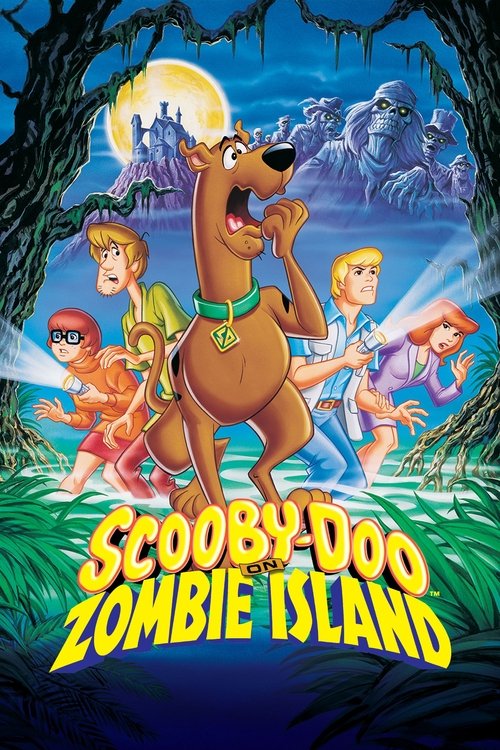
After going their separate ways, Scooby-Doo, Shaggy, Velma, Daphne, and Fred reunite to investigate the ghost of Moonscar the pirate on a haunted bayou island, but it turns out the swashbuckler's spirit isn't the only creepy character on the island. The sleuths also meet up with cat creatures and zombies... and it looks like for the first time in their lives, these ghouls might actually be real.
1999
2003
2020
2005
2000

2010
2016
2006
No reviews yet. Be the first to share your thoughts on this movie!
Use the rating form above to leave a star rating and optional review.