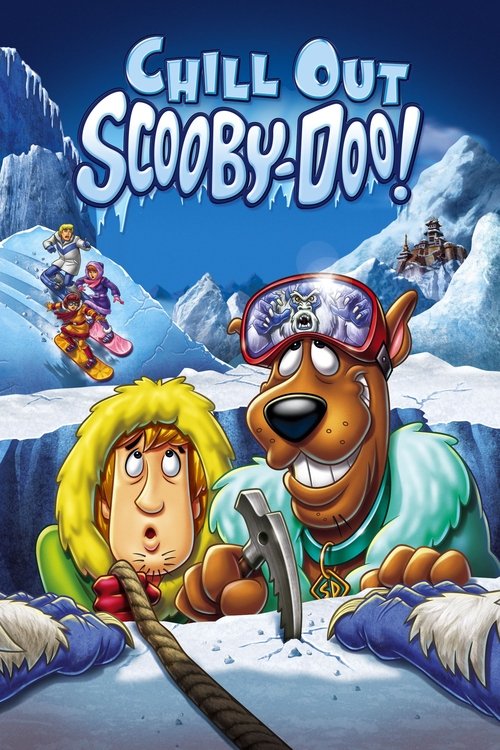
Chill Out, Scooby-Doo!
2007
No user ratings available yet
Representation score: 3.6 out of 10
Representation Score
Limited
1987
GDirector
Paul Sommer, Carl Urbano
Runtime
93 minutes
Average Rating
No ratings yetNew Showbiz Analysis
This production adheres to a conservative genre format typical of its time. It emphasizes established franchise clichés and episodic mystery structures while avoiding the complexities of identity politics. The narrative structure reinforces traditional hierarchies and steers clear of meaningful explorations of race and systemic issues. By using anthropomorphic characters, the film avoids engaging with human racial diversity or systemic dynamics. Overall, the film provides a traditional approach to storytelling. It lacks intentional characters who reflect more than one aspect of diversity, maintaining the status quo without challenging it.
Category Breakdown
The film does not depict any non-straight relationships or queer themes. Character interactions stay focused on the main ensemble without introducing queer perspectives.
Female characters such as Velma and Daphne take part in investigations, but their roles follow traditional gender roles. Comic relief and physical comedy center around male characters like Shaggy and Scooby.
The Southern plantation setting and Confederate soldier ghost engage with historical symbols without delving into racial complexities. Using anthropomorphic animals prevents showing human racial diversity or systemic issues.
The story follows traditional Western detective structures emphasizing individual investigation and inheritance. It upholds a standard status quo without questioning Western institutions or subjective morality.
No visible or hidden disabilities are shown. Characters function within a standard physical framework without addressing neurodivergence or chronic illnesses.
Present on Screen
Limited or Absent
Official Synopsis
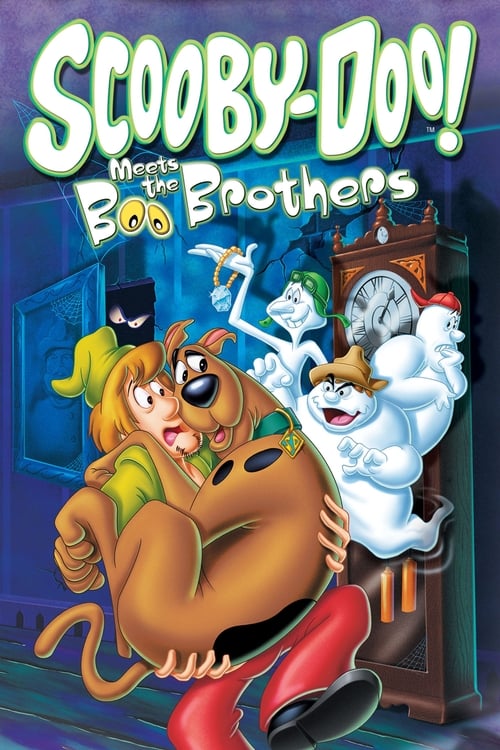
After the death of Shaggy's Uncle Beaureguard, he, Scooby and Scrappy arrive at the late uncle's Southern plantation to collect the inheritance. But as soon as they arrive, they find it is haunted by the ghost of a Confederate soldier. With this spook on their tails while they solve riddles in search of the inheritance, they seek help from the Boo Brothers, a trio of ghost-exterminators to help catch this nasty ghoul.
2007
1988
2005

2010
2013
2006
2022
2005
No reviews yet. Be the first to share your thoughts on this movie!
Use the rating form above to leave a star rating and optional review.