The Passengers
1977
No user ratings available yet
Diversity score: 3.2 out of 10
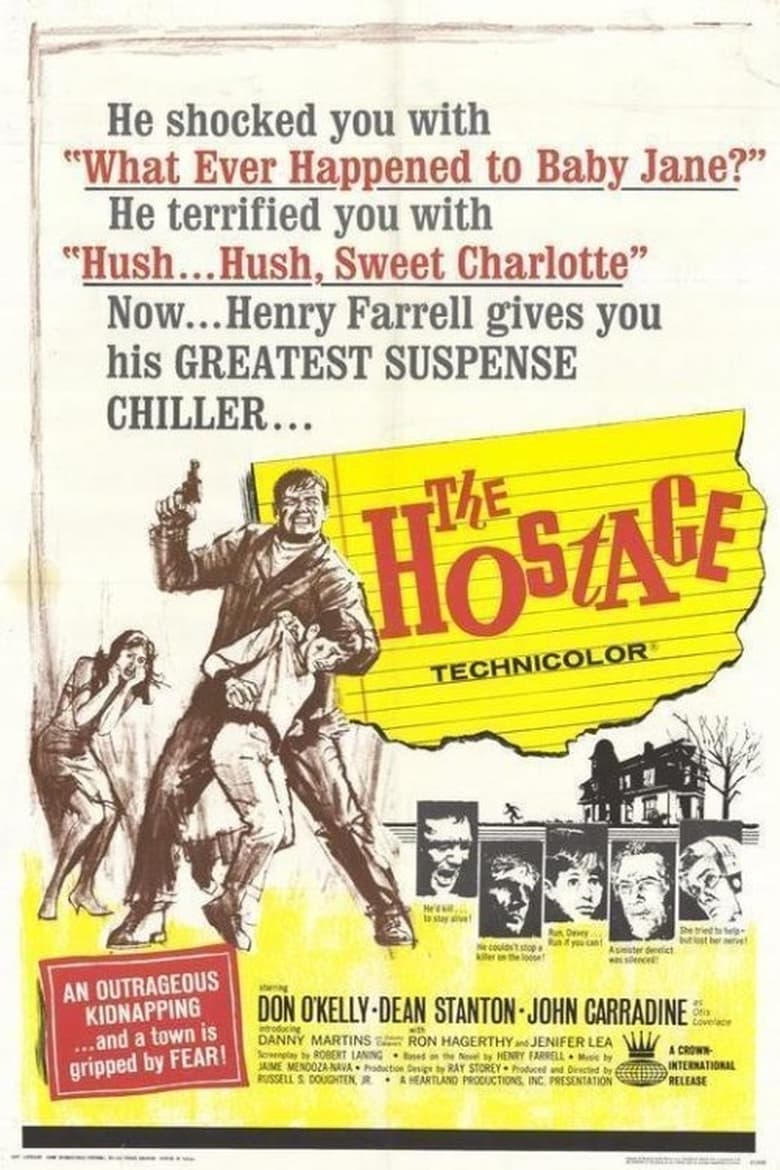
1967
GDirector
Russ Doughten
Runtime
84 minutes
Average Rating
No ratings yetSynopsis
The Hostage is a 1967 Crown International low-budget motion picture starring Don O'Kelly, James Almanzar and Joanne Brown, with Leland Brown, John Carradine, and Harry Dean Stanton. The plot centers on a young boy who becomes a hostage after he is accidentally closed inside a moving van.
Overall Score
Limited
Category Breakdown
LGBTQ+ Representation
The film lacks any visible non-cisnormative identities. It adheres to the standard cinematic omissions regarding LGBTQ+ visibility common in 1967 thrillers.
Gender Representation
The narrative centers on a child's survival, likely favoring traditional masculine archetypes. There is no evidence of subverting gender hierarchies or portraying masculinity in non-traditional ways.
Racial & Ethnic Diversity
The inclusion of James Almanzar provides a degree of racial diversity for the era. However, race does not appear to be a central thematic pillar of the story.
Religious & Cultural Diversity
The film follows conventional suspense tropes rather than challenging systemic power or Western institutions. It lacks any significant deconstruction of cultural or religious norms.
Disability Representation
While the protagonist is in a vulnerable, trapped state, there is no evidence of neurodivergence or physical disability being used as a narrative device.
Strengths
Areas for Improvement
AI Analysis
The Hostage is a product of its era, functioning as a standard low-budget genre thriller. It prioritizes suspense and survival tropes over the exploration of complex social identities or intersectional character development. While the casting offers some racial variety for 1967, the film does not engage in deep critiques of power or identity. It operates strictly within the conventional social frameworks of the late sixties. Ultimately, the film lacks intentionality regarding the subversion of social hierarchies, making it a typical example of mid-century exploitation cinema.
1977
1975
1968
1972

1985
2007

1957
1948
1962
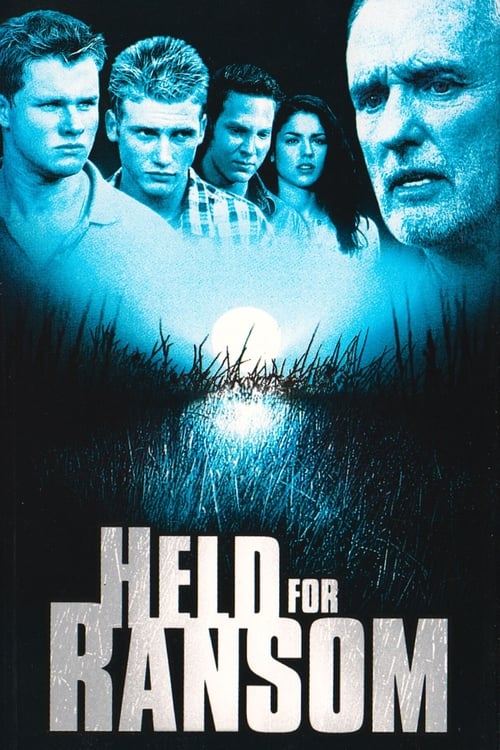
2000
1978
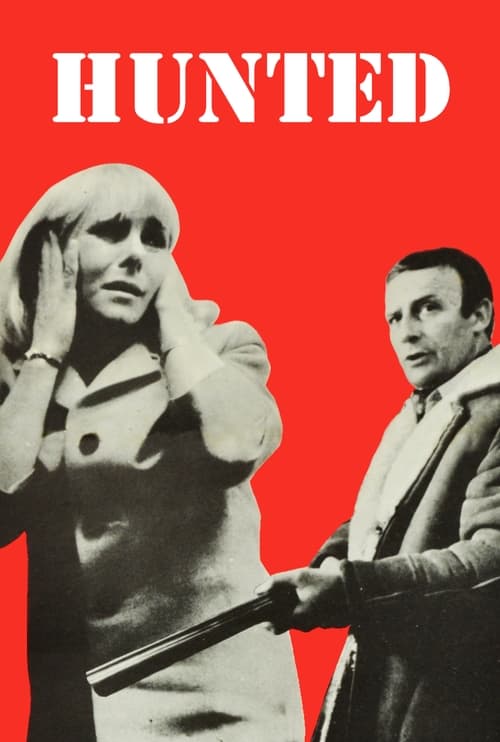
1972
No reviews yet. Be the first to share your thoughts on this movie!
Use the rating form above to leave a star rating and optional review.