The Passengers
1977
No user ratings available yet
Diversity score: 3.2 out of 10
1975
RDirector
Earl Barton
Runtime
91 minutes
Average Rating
No ratings yetSynopsis
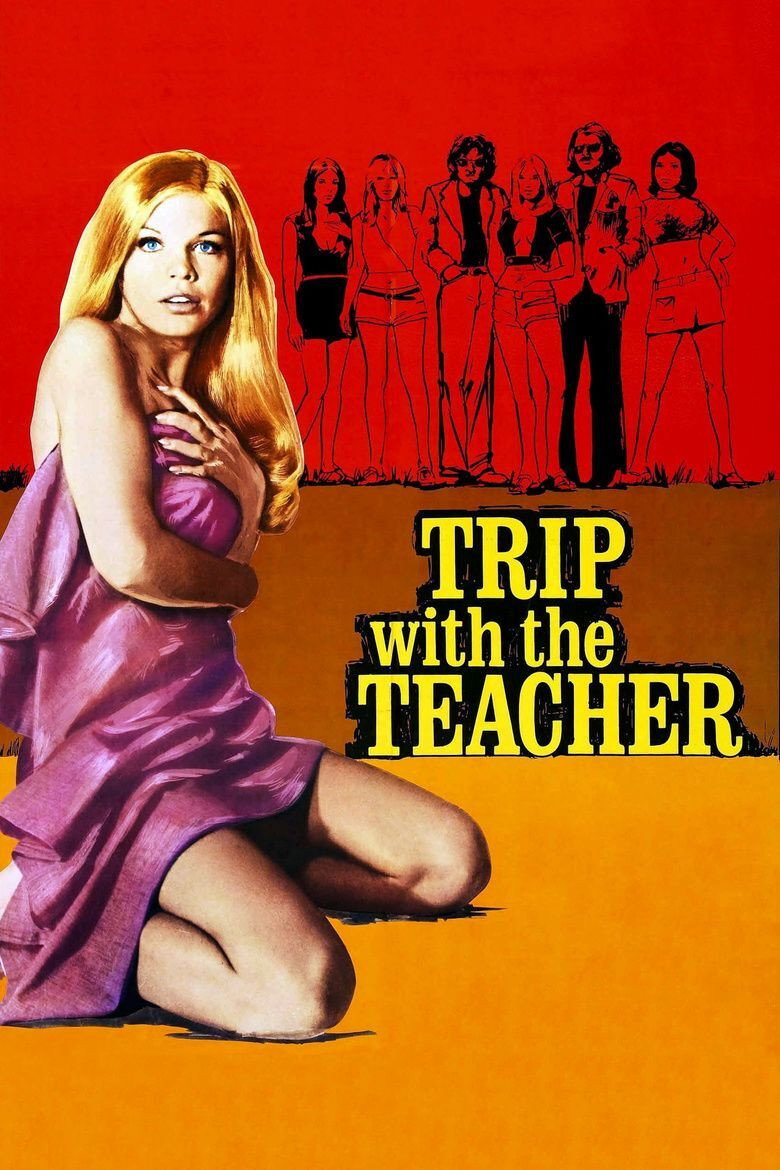
A high-school field trip takes a nightmarish turn when the students' bus breaks down and thugs come to their aid.
Overall Score
Limited
Category Breakdown
LGBTQ+ Representation
The film adheres to the heteronormative social structures typical of 1970s thriller cinema. There is no evidence of non-cisnormative identities or narratives that critique traditional sexual orientations.
Gender Representation
Female characters likely follow standard genre tropes, often serving as targets of peril rather than active agents. The film shows no signs of subverting traditional gender hierarchies.
Racial & Ethnic Diversity
The narrative relies on established tropes of the era, such as encounters with 'thugs.' It lacks evidence of intentional racial blending or high-agency characters of color.
Religious & Cultural Diversity
The story operates within conventional Western narrative structures. It lacks themes that challenge the status quo, such as anti-institutional or secularist perspectives.
Disability Representation
There is no information regarding the inclusion of characters with visible or invisible disabilities.
Strengths
Areas for Improvement
AI Analysis
Trip with the Teacher is a product of its era, functioning within the traditionalist constraints of 1970s genre cinema. The film follows a conventional thriller trajectory rather than attempting to disrupt social or systemic norms. The narrative architecture relies heavily on established tropes, particularly regarding gender and racial dynamics. It lacks the intentionality required to present a progressive or diverse perspective. Ultimately, the film reflects the homogeneous casting and social standards common in mid-70s American productions, offering little in the way of intersectional storytelling.
1977

1980
1989
1975
2021
1988

1975

2014
1978

2016

2011

2011
No reviews yet. Be the first to share your thoughts on this movie!
Use the rating form above to leave a star rating and optional review.