
Stealing Candy
2003
No user ratings available yet
Diversity score: 2.7 out of 10
2000
NRDirector
Lee Stanley
Runtime
88 minutes
Average Rating
No ratings yetSynopsis
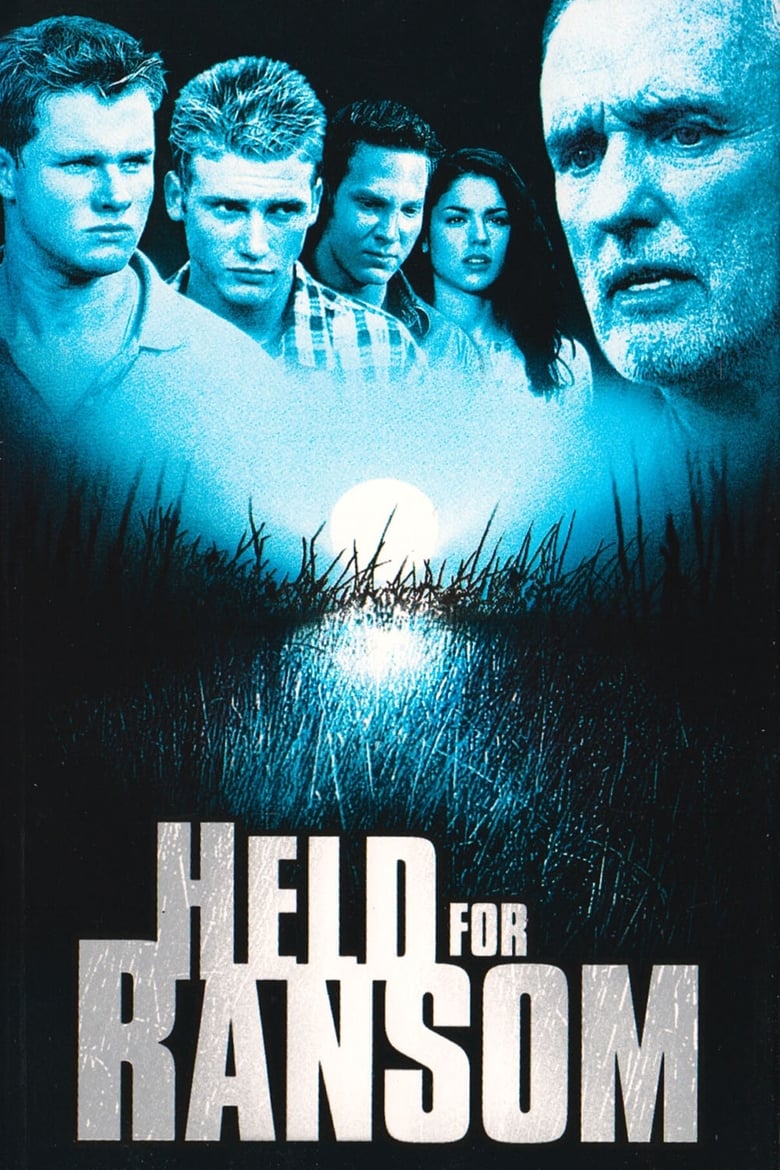
Held for Ransom is a 2000 direct-to-video film about five high-school students that are kidnapped and held for ransom in a remote swamp area in Florida. It was directed and written by Lee Stanley based on the novel by Lois Duncan.
Overall Score
Limited
Category Breakdown
LGBTQ+ Representation
The film lacks any evidence of LGBTQ+ characters or non-cisnormative identities. It appears to follow a traditional thriller framework centered on high-school students.
Gender Representation
The narrative involves five students but does not indicate a subversion of traditional gender hierarchies. It likely adheres to conventional gender roles common in turn-of-the-century thrillers.
Racial & Ethnic Diversity
The setting and premise suggest a potentially homogeneous cast. There is no evidence of diverse ethnic leadership or race-bent casting within the narrative architecture.
Religious & Cultural Diversity
The film aligns with traditional Western thriller structures. It lacks any indication of anti-capitalist sentiment or the deconstruction of systemic power dynamics.
Disability Representation
There is no documented evidence of characters with visible or invisible disabilities. The plot does not suggest the inclusion of neurodivergent or physically disabled characters.
Strengths
Areas for Improvement
AI Analysis
Held for Ransom operates as a conventional genre thriller that prioritizes suspense over social commentary. The narrative architecture follows standard tropes of its era, focusing on a kidnapping plot rather than the exploration of identity or systemic critique. The film lacks intentionality regarding intersectional representation. It adheres to traditional Western structures, offering little to disrupt established social hierarchies or provide meaningful diversity across gender, race, or orientation. Ultimately, the production functions as a standard direct-to-video suspense piece. It relies on established cinematic patterns rather than progressive narrative subversion.
2003
1975
1995
2014

2016
2011
2012
2020
2019
2007
2008
1956
No reviews yet. Be the first to share your thoughts on this movie!
Use the rating form above to leave a star rating and optional review.