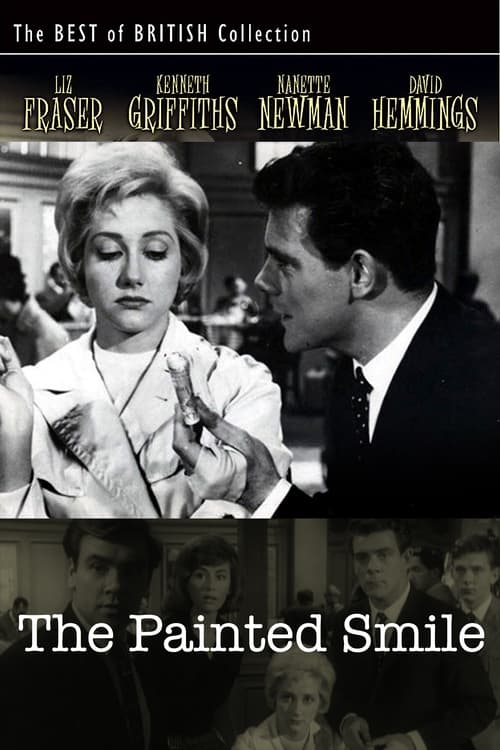
The Painted Smile
1962
No user ratings available yet
Diversity score: 2.7 out of 10

1962
Director
Lance Comfort
Runtime
80 minutes
Average Rating
No ratings yetSynopsis
A British policeman (John Gregson) tries to find a rich man's (Alec Clunes) son before a kidnapper's (Robert Shaw) time bomb blows.
Overall Score
Limited
Category Breakdown
LGBTQ+ Representation
The film lacks any evidence of non-cisnormative identities. It operates within the standard heteronormative social frameworks typical of 1963 British cinema.
Gender Representation
Narrative agency is almost exclusively male-driven. The central conflict revolves around a male policeman, a male antagonist, and a male victim.
Racial & Ethnic Diversity
The film appears to reflect the homogeneous casting standards of its era. There is no indication of diverse casting or non-white protagonists.
Religious & Cultural Diversity
The story reinforces traditional Western institutions and the role of the state. It prioritizes the protection of wealthy families and social stability.
Disability Representation
There is no information available regarding the portrayal of physical or neurodivergent characters in this thriller.
Strengths
Areas for Improvement
AI Analysis
Tomorrow at Ten is a traditional suspense thriller that adheres strictly to the cinematic conventions of the early 1960s. The plot functions as a procedural race against time, focusing on the preservation of social order and the protection of private wealth. The film's structure reinforces established hierarchies rather than challenging them. By centering the conflict on law enforcement and criminal pursuit, the narrative relies on traditional masculine archetypes and institutional authority. Ultimately, the work serves as a period-typical genre piece. It lacks intentional subversion of social norms, instead providing a narrative centered on individual agency within a conventional Western framework.
1962
1964
1946
1972
1958

1957
1972
2014

1965
1953
1962
1953
No reviews yet. Be the first to share your thoughts on this movie!
Use the rating form above to leave a star rating and optional review.