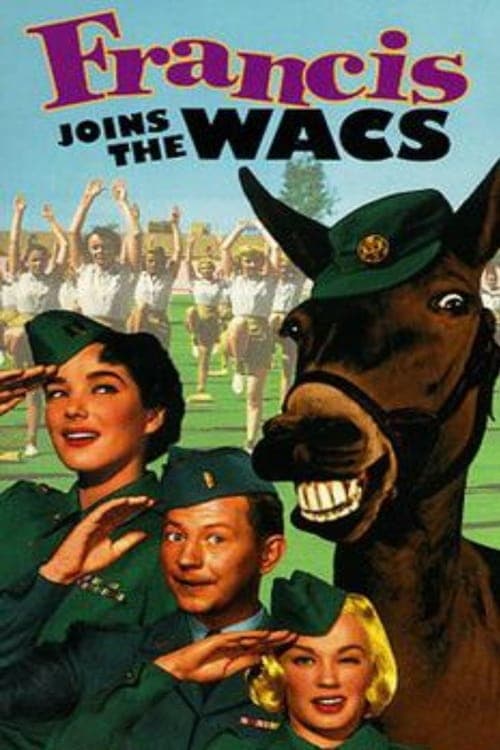
Francis Joins the WACS
1954
No user ratings available yet
Diversity score: 2.0 out of 10
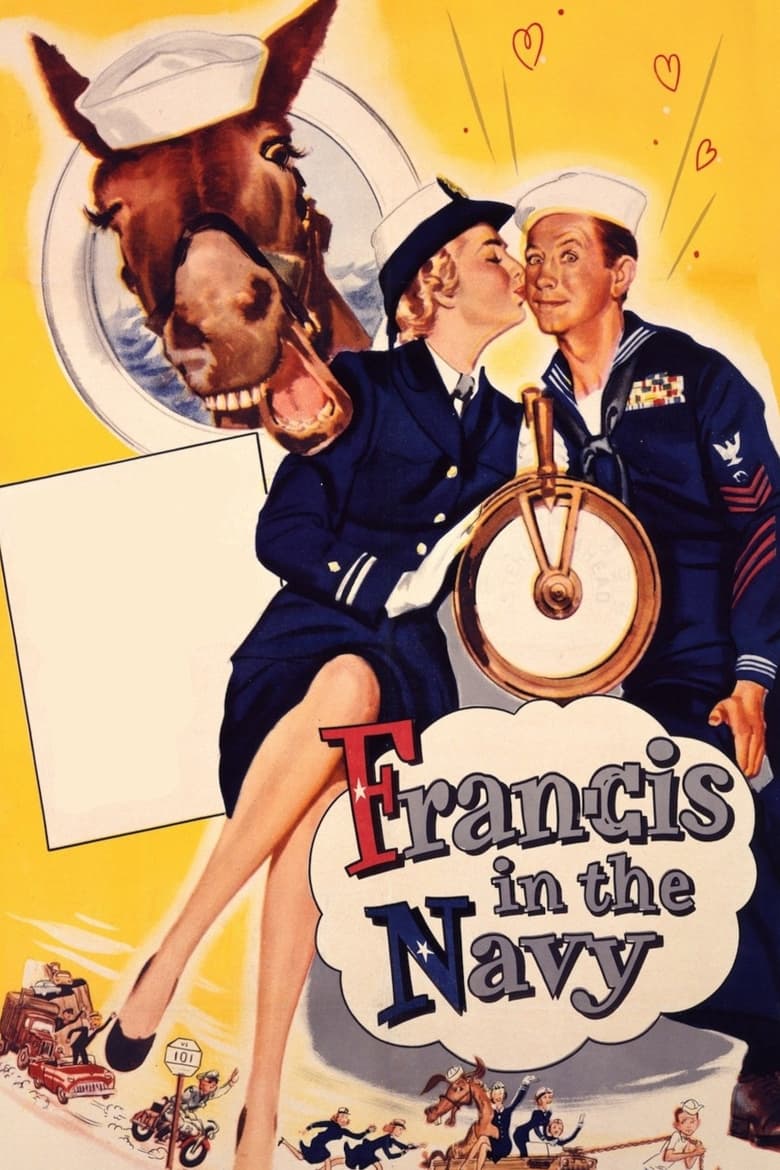
1955
NRDirector
Arthur Lubin
Runtime
80 minutes
Average Rating
No ratings yetSynopsis
In the U. S. Army intelligence office, bumbling lieutenant Peter Stirling receives a coded message from his friend, Francis, a talking mule. The note urges Pete to hurry to the Coronado, California naval base, where Francis is about to be sold as surplus. Pete rushes to the train station, but before he can board, nurse Betsy Donevan mistakes him for her shell-shocked brother, Navy boatswain Slicker Donevan. She tries to forcibly remove his uniform so he will not get into trouble for impersonating an Army officer. Finally she realizes that Pete is not Slicker but merely his mirror image.
Overall Score
Minimal
Category Breakdown
LGBTQ+ Representation
The film operates within a strictly heteronormative framework. Romantic tension is centered entirely on the heterosexual pairing of the lead characters.
Gender Representation
Traditional gender archetypes define the cast. While Nurse Betsy Donevan shows situational agency, the narrative remains rooted in conventional roles.
Racial & Ethnic Diversity
The film features a homogeneous cast typical of 1950s studio productions. There is no indication of diverse ethnic perspectives or race-bent casting.
Religious & Cultural Diversity
The story reinforces traditional Western institutional values. It uses the U.S. military as a stable backdrop that upholds established authority and hierarchy.
Disability Representation
References to shell-shocked characters serve as superficial plot devices. Psychological trauma is used as a comedic trope rather than a nuanced portrayal.
Strengths
Areas for Improvement
AI Analysis
Francis in the Navy is a product of the mid-century studio system, prioritizing lighthearted escapism over social subversion. The film relies heavily on established genre conventions and traditional hierarchies. The narrative architecture reinforces existing institutional norms, particularly regarding the military and heteronormative romance. It lacks meaningful engagement with diverse identities or systemic critiques. Ultimately, the film functions as a standard comedy of its era, utilizing character traits and social settings to drive humor rather than exploring complex human experiences.
1954
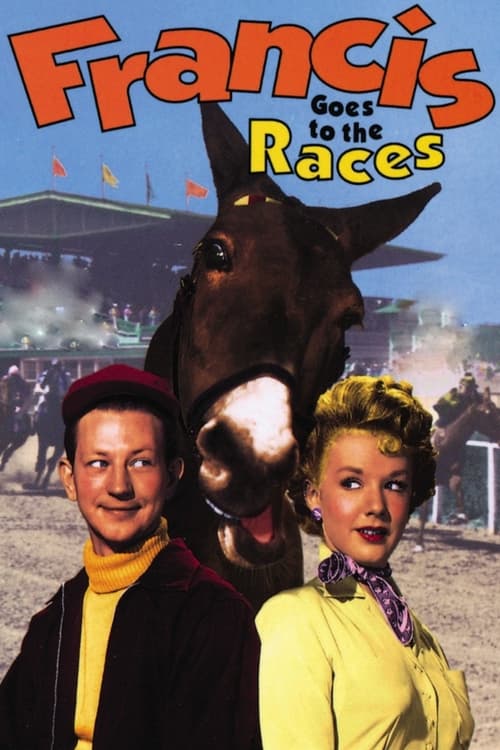
1951
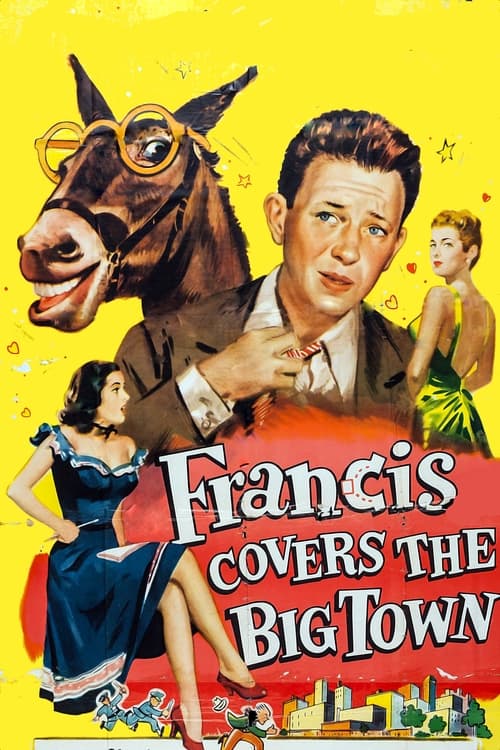
1953
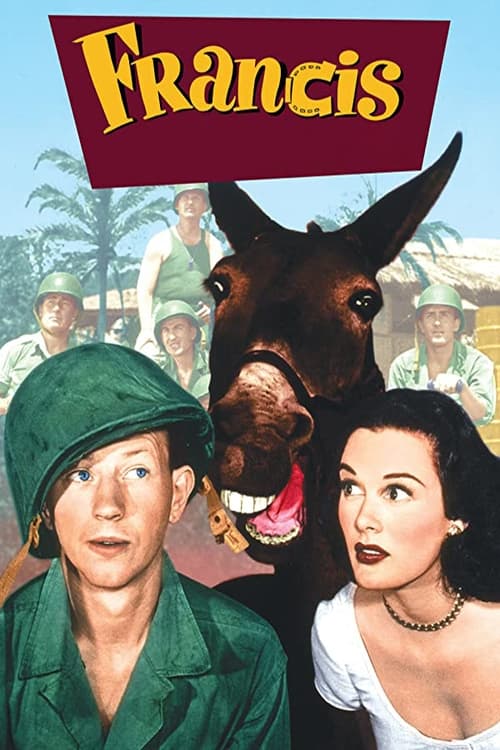
1950
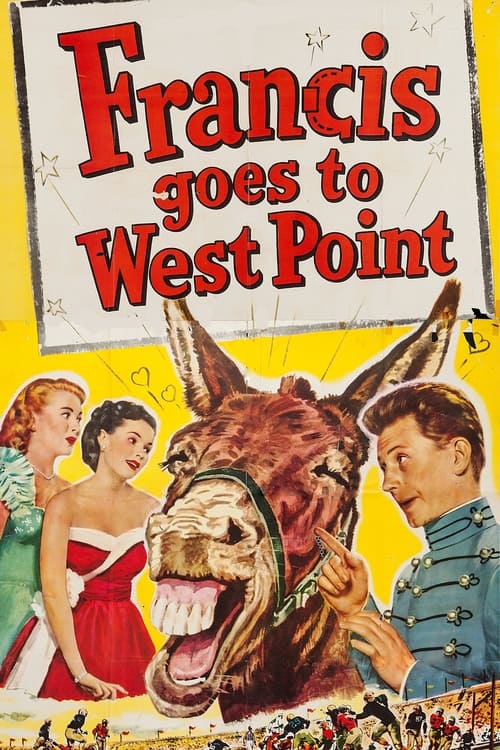
1952
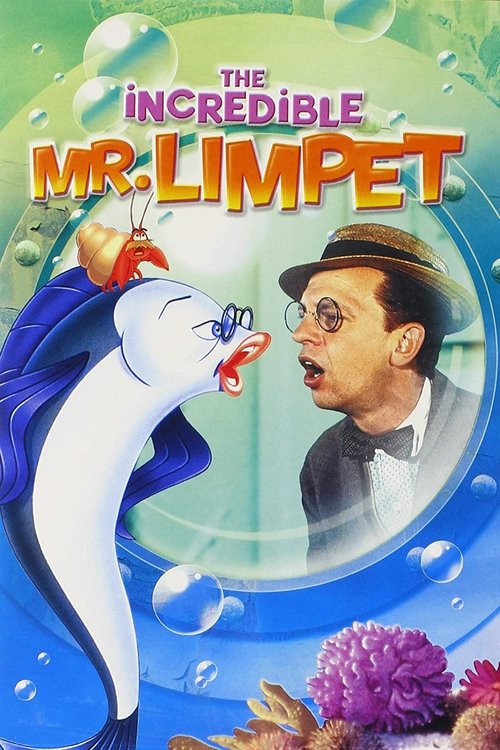
1964

1941
No reviews yet. Be the first to share your thoughts on this movie!
Use the rating form above to leave a star rating and optional review.