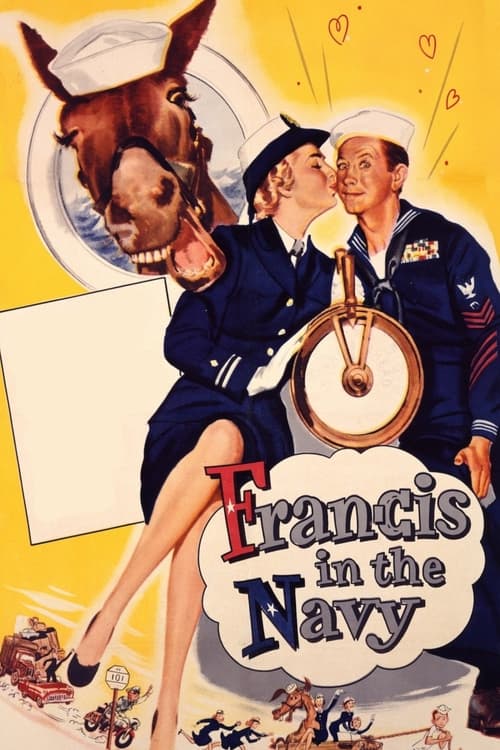
Francis in the Navy
1955
No user ratings available yet
Representation score: 2.4 out of 10
Representation Score
Minimal
1950
NRDirector
Arthur Lubin
Runtime
91 minutes
Average Rating
No ratings yetNew Showbiz Analysis
Francis reflects the social norms of the 1950s, reinforcing the status quo through traditional comedic setups. The film focuses on maintaining stability in military and psychiatric institutions, using humor to highlight societal tensions. The film lacks diversity, with a cast and setting that mirror the homogeneous society of mid-century America. It offers few insights into varied perspectives or character depth.
Category Breakdown
The film does not include any visible LGBTQ+ characters or non-straight relationships. It follows the social norms of the 1950s.
Women play minor roles and have little influence on the story, reinforcing traditional male leadership and domestic roles.
The cast is predominantly white, reflecting the demographics typical of mid-century Hollywood. The setting is primarily Anglo-Saxon without much diversity.
The film upholds traditional mid-century Western values, celebrating social cohesion and the nuclear family without criticism.
Mental health issues are portrayed through outdated comedic clichés. The protagonist’s delusions serve as a plot device rather than a serious issue.
Present on Screen
Limited or Absent
Official Synopsis
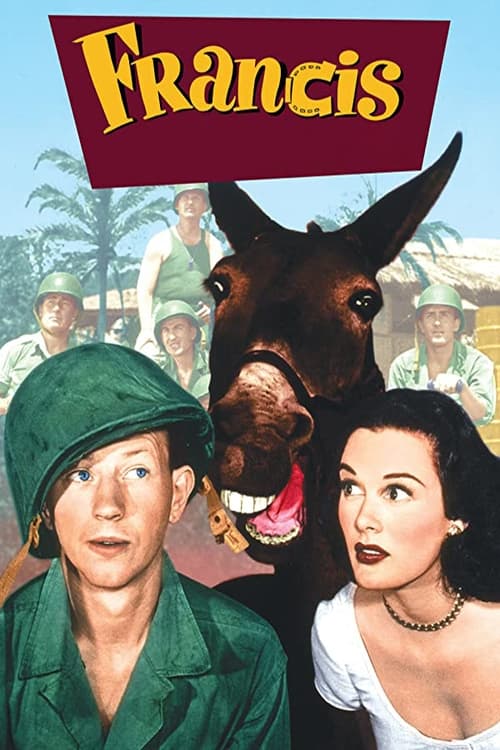
During World War II, a junior American Army officer, Lt. Peter Stirling, gets sent to the psychiatric ward whenever he insists that an Army mule named Francis speaks to him.
1955
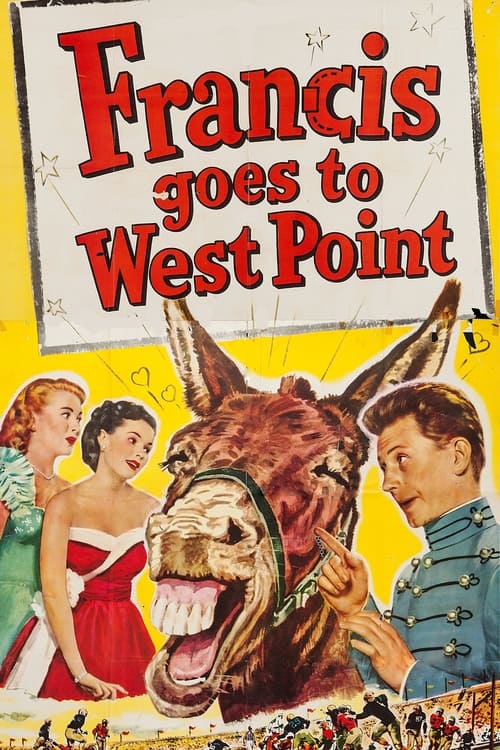
1952
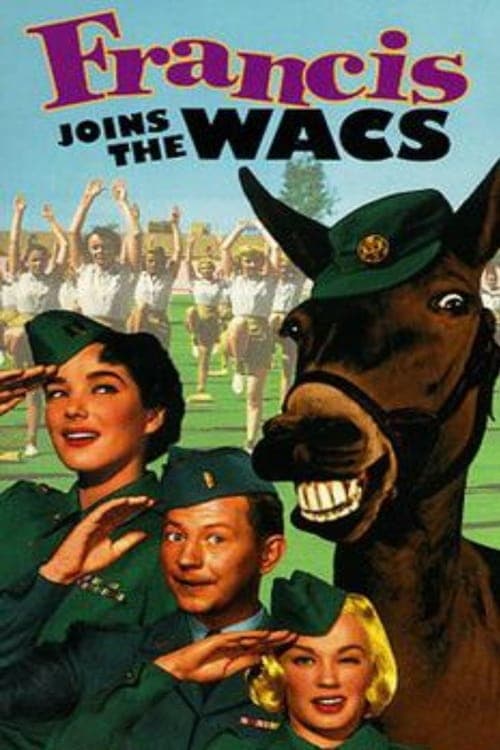
1954

1953
1951
1964
No reviews yet. Be the first to share your thoughts on this movie!
Use the rating form above to leave a star rating and optional review.