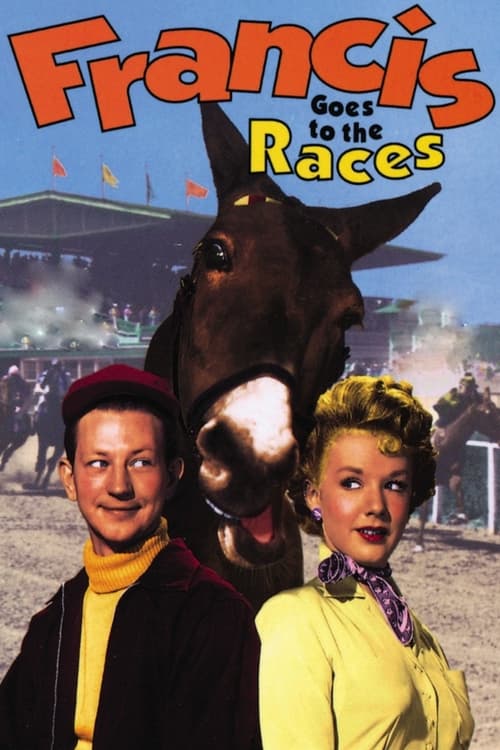
Francis Goes to the Races
1951
No user ratings available yet
Representation score: 3.0 out of 10
Representation Score
Minimal
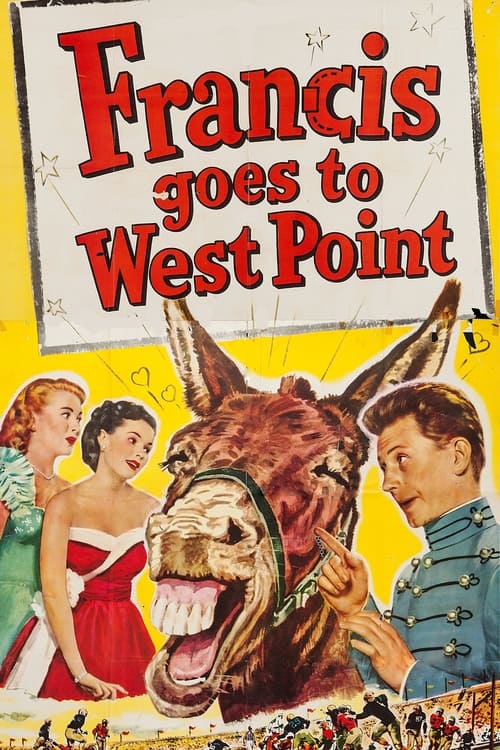
1952
NRDirector
Arthur Lubin
Runtime
81 minutes
Average Rating
No ratings yetNew Showbiz Analysis
Francis Goes to West Point is a mid-century comedy that serves as escapist entertainment rather than social commentary. It uses a talking mule to navigate the rigid structures of a military academy, relying on situational humor to advance the plot. The film adheres to the social hierarchies of its time. It does not challenge the status quo or engage with identity issues, focusing instead on the clash between individual quirks and institutional discipline. Overall, the production is a product of its historical context, lacking diverse representation and reinforcing traditional, Anglo-centric views of American institutions.
Category Breakdown
The film does not include any LGBTQ+ characters or narratives. The social environment is strictly centered around heterosexual relationships.
The story focuses on male characters in a male-dominated military academy. It reinforces traditional hierarchies through a lack of female involvement and perspective.
Casting reflects the homogeneous demographics typical of 1950s Hollywood. There are no characters of color with significant roles or perspectives.
The film highlights mid-century social norms and institutional respectability. Any subversion is presented as light-hearted humor rather than a critique of societal institutions.
There are no characters with visible or invisible disabilities. All characters are shown within the expected physical and neurotypical norms for the genre.
Present on Screen
Limited or Absent
Official Synopsis
Francis the talking mule gets his owner in and out of trouble while he is taking basic training at West Point.
1951
1950
1955
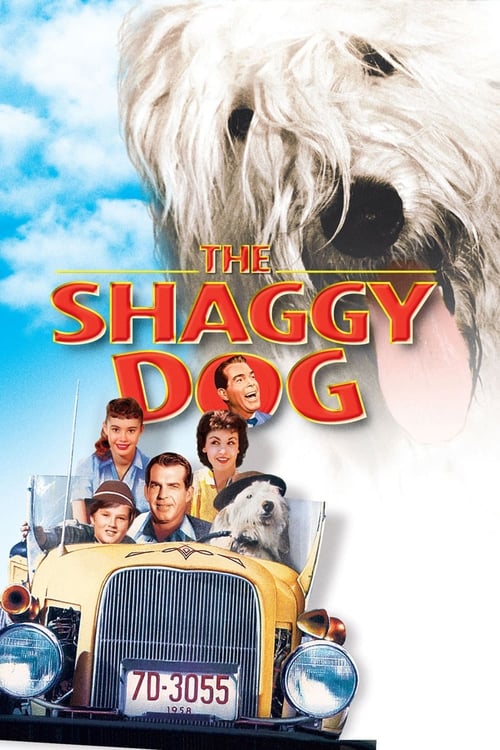
1959
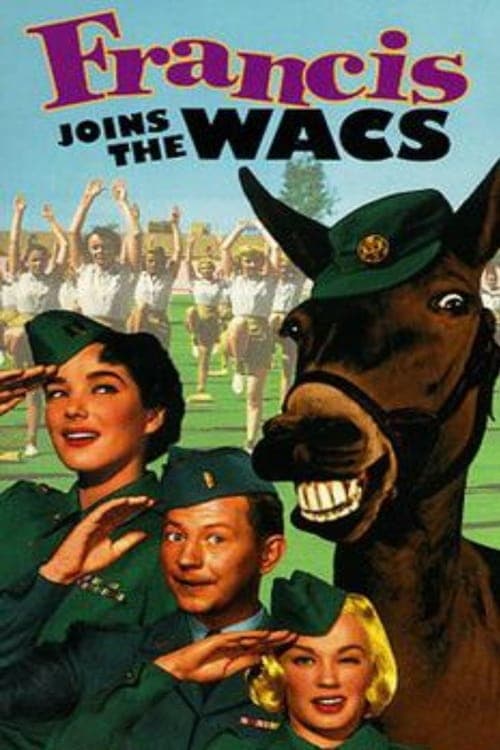
1954
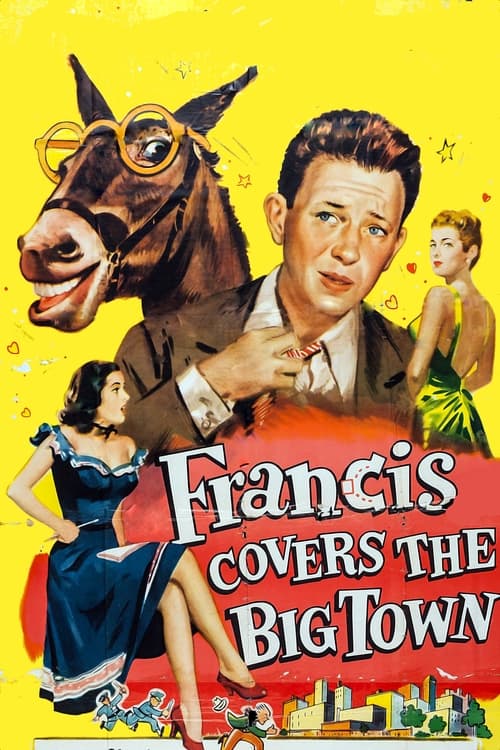
1953
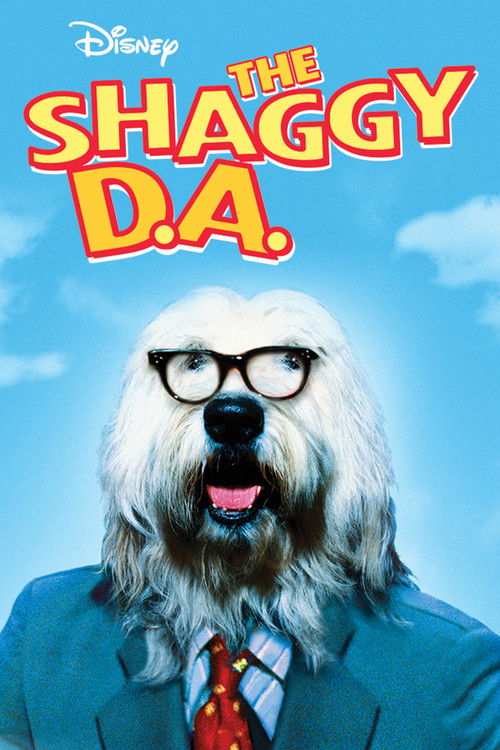
1976

2013
No reviews yet. Be the first to share your thoughts on this movie!
Use the rating form above to leave a star rating and optional review.