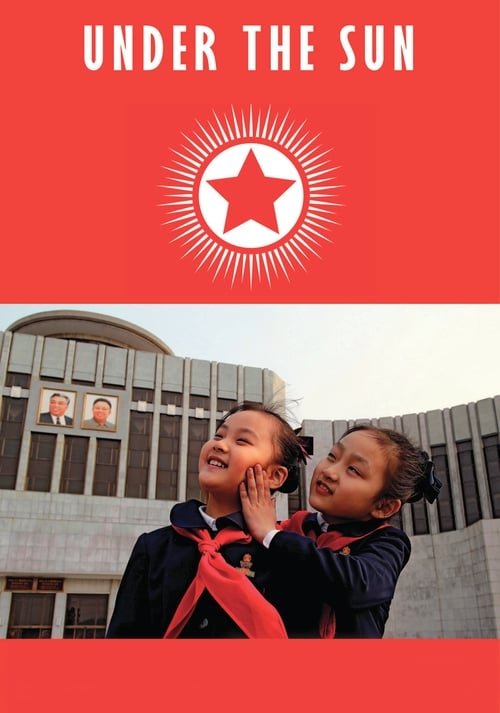
Under the Sun
2015
No user ratings available yet
Representation score: 2.7 out of 10
Representation Score
Fair
2016
Director
Sung Hyung Cho
Runtime
109 minutes
Average Rating
No ratings yetNew Showbiz Analysis
Sung Hyung Cho’s documentary succeeds by humanizing a demographic often sidelined in global media. It dismantles the 'monolithic villain' cliché through an empathetic, observational lens that prioritizes lived experience over political judgment. The film excels in its cultural positioning, resisting the urge to impose external moral frameworks. This allows for a nuanced understanding of social cohesion and the internal logic of the DPRK. However, the work does not engage with Western-style identity politics. It lacks representation of LGBTQ+ identities and does not explicitly address the subversion of gender hierarchies or disability.
Category Breakdown
The documentary focuses on collective social cohesion and daily routines. There are no identifiable LGBTQ+ characters or narratives addressing non-binary or non-cisgender identities.
Women are shown as active participants in both the workplace and home life. The film avoids stereotypes by portraying them as integral members of society.
The cast is predominantly made up of Korean citizens, focusing on their specific ethnic identity. It avoids the 'othering' common in Western media by treating identity as a normal part of everyday life.
The film challenges Western dominance by adopting a respectful, non-judgmental stance toward North Korean culture. It emphasizes the internal logic and social bonds of the local society.
There is no specific evidence regarding the portrayal of physical or neurodivergent disabilities within the film's narrative.
Present on Screen
Limited or Absent
Official Synopsis
The Democratic People's Republic of Korea is a country with a very strong social cohesion and the unprecedented admiration of the people for their leader, which is absolutely unique and incomprehensible especially from a Western point of view. The native Korean director Sung-Hyung Cho tries to understand this by accompanying several Koreans from different backgrounds in their daily lives. The film shows the country and its people in a way, as it is rarely done in Western media, non-judgmental and respectful towards the people.
2015
2020

2013
2017
2013

2015
2019

2015
No reviews yet. Be the first to share your thoughts on this movie!
Use the rating form above to leave a star rating and optional review.