
Saw V
2008
No user ratings available yet
Representation score: 4.4 out of 10
Representation Score
Fair
2009
RDirector
Kevin Greutert
Runtime
90 minutes
Average Rating
No ratings yetNew Showbiz Analysis
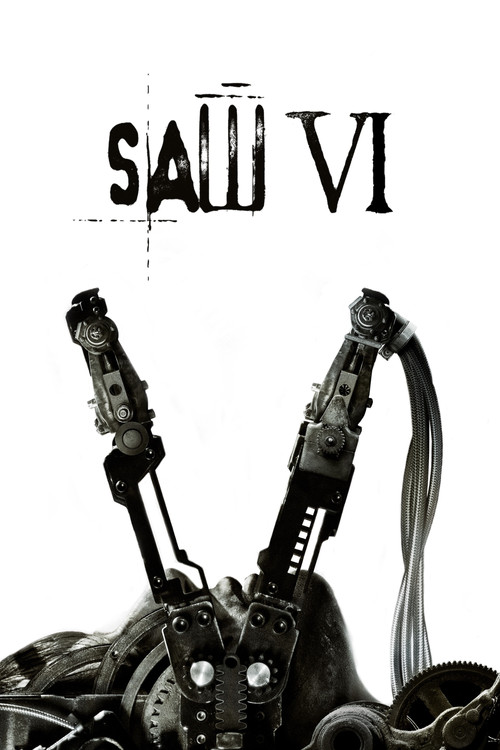
Saw VI serves as a critique of the American private healthcare system. It uses a clinical setting to expose the perceived immorality of capitalist medical practices, presenting institutional frameworks as the main antagonists. The film's strength lies in its sophisticated narrative deconstruction of capitalist and medical structures and its exploration of moral relativism. By forcing choices based on insurance coverage, it offers a profound critique of systemic corruption. However, the film lacks significant identity-based representation. While it addresses socioeconomic issues, it misses opportunities for meaningful LGBTQ+ or neurodivergent characters with true ability to act.
Category Breakdown
The film lacks prominent LGBTQ+ characters or narratives that explore non-straight identities. Character interactions focus on survival and institutional critique rather than identity-based exploration.
Female characters hold authority roles and are central to the story. However, power dynamics largely follow established genre conventions rather than challenging traditional gender roles.
A diverse cast of characters represents various socioeconomic backgrounds. This casting highlights how systemic medical debt affects a wide range of people.
The narrative effectively frames the private insurance industry as a corrupt, oppressive force. It challenges Western institutional ethics and questions the integrity of traditional authority.
Characters with physical and mental vulnerabilities serve primarily as high-stakes plot devices. Their conditions often act as catalysts for traps rather than having true ability to act.
Present on Screen
Limited or Absent
Official Synopsis
Special Agent Strahm is dead, and Detective Hoffman has emerged as the unchallenged successor to Jigsaw's legacy. However, when the FBI draws closer to Hoffman, he is forced to set a game into motion, and Jigsaw's grand scheme is finally understood.
2008
1989
2006
1988
2010
1995
2007
2008
No reviews yet. Be the first to share your thoughts on this movie!
Use the rating form above to leave a star rating and optional review.