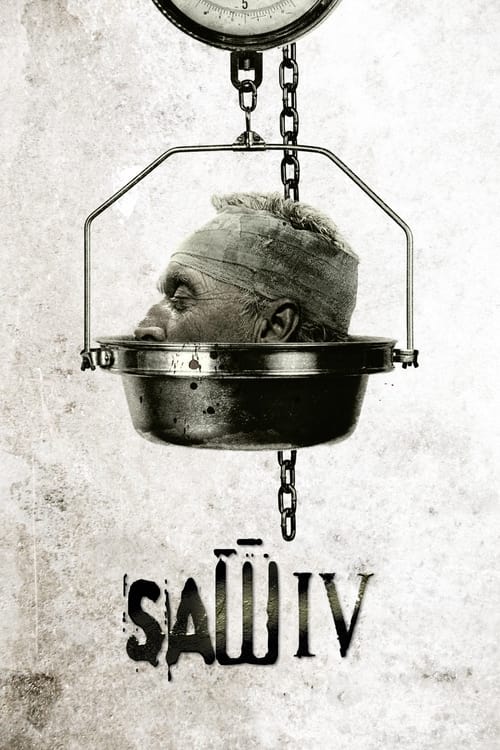
Saw IV
2007
No user ratings available yet
Representation score: 3.6 out of 10
Representation Score
Limited
2006
RDirector
Darren Lynn Bousman
Runtime
108 minutes
Average Rating
No ratings yetNew Showbiz Analysis
Saw III is a genre-driven thriller that emphasizes psychological tension and philosophical inquiry over demographic diversity. It successfully deconstructs social and legal institutions, offering a critical view of systemic justice through its central conflict. However, the film operates within a narrow demographic framework. It lacks meaningful engagement with LGBTQ+, racial, or multi-layered narratives, sticking to the standard horror clichés of its time. Ultimately, the film focuses on the deconstruction of individual morality rather than broader social hierarchies, resulting in a work that is philosophically complex but demographically uniform.
Category Breakdown
The film does not include any LGBTQ+ characters or explore non-straight identities. Relationships and interactions are focused solely on heterosexual norms.
Women like Amanda Young play significant roles in driving the plot. However, the story often relies on traditional horror clichés that put women in physically vulnerable situations.
The cast is mostly white, reflecting the demographic conventions typical of mid-2000s horror. The film does not use diverse identities to challenge broader societal narratives.
The story critiques institutional authority and law enforcement through moral relativism. It questions absolute ethical standards using the lens of extreme vigilantism.
Physical trauma is used mainly as a plot device within the film's trap mechanics. The focus is on the spectacle of suffering rather than nuanced portrayals of disability.
Present on Screen
Limited or Absent
Official Synopsis
Jigsaw has disappeared. Along with his new apprentice Amanda, the puppet-master behind the cruel, intricate games that have terrified a community and baffled police has once again eluded capture and vanished. While city detectives scramble to locate him, Doctor Lynn Denlon and Jeff Reinhart are unaware that they are about to become the latest pawns on his vicious chessboard.
2007

1986

2008
2002
2003

2007

2010

1995
No reviews yet. Be the first to share your thoughts on this movie!
Use the rating form above to leave a star rating and optional review.