
Trick or Treat
1986
No user ratings available yet
Representation score: 3.7 out of 10
Representation Score
Good
1975
Director
Jorn H. Winther
Runtime
66 minutes
Average Rating
No ratings yetNew Showbiz Analysis
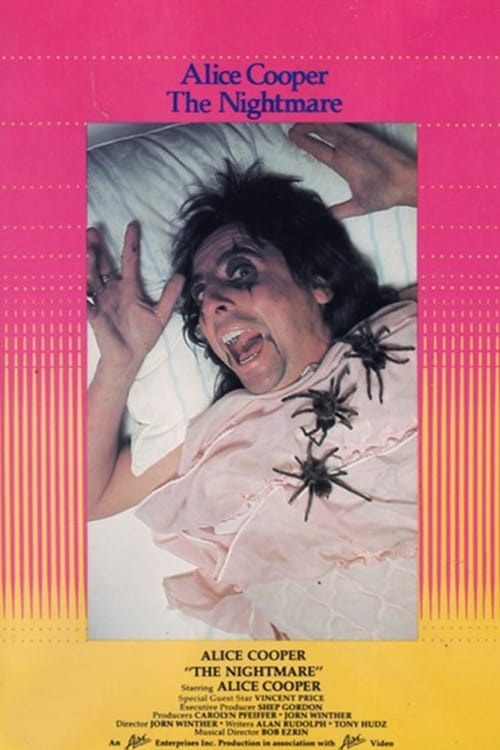
Alice Cooper: The Nightmare is a period-specific musical horror piece that relies on surrealism to disrupt conventional storytelling. While the film's camp aesthetic and dream-logic offer a form of stylistic rebellion, it lacks a cohesive approach to multiple aspects of identity. The production remains tied to the demographic and social norms of the mid-1970s. It uses psychological instability as a horror device rather than exploring identity or broader social critiques. Ultimately, the film provides a moderate departure from mainstream morality through its chaotic internal landscape, but it does not intentionally deconstruct social hierarchies.
Category Breakdown
The film uses Alice Cooper's theatrical persona to create a camp atmosphere and gender-bend aesthetics. However, it does not feature explicit LGBTQ+ character arcs or narratives focused on identity.
The dream-fantasy setting emphasizes surreal horror over traditional gender roles. Although it avoids the 1970s domestic clichés, it does not actively challenge gender hierarchies or power structures.
The production reflects the homogeneous casting standards of the mid-1970s horror and music scenes. There is no evidence of diverse racial or ethnic representation within the cast.
The narrative replaces traditional Western social orders with a chaotic, subjective dreamscape. It embraces psychological surrealism rather than adhering to singular moralities.
Themes of psychological distress and a fractured psyche serve as horror tools. The film lacks characters with ability to act regarding neurodivergence or mental health struggles.
Present on Screen
Limited or Absent
Official Synopsis
Steven, a character from Alice Cooper's album “Welcome to My Nightmare”, encounters a surreal dream fantasy, guided by the spirit of the nightmare.
1986
1982
1989

1981

1989
1983
1984
1971
No reviews yet. Be the first to share your thoughts on this movie!
Use the rating form above to leave a star rating and optional review.