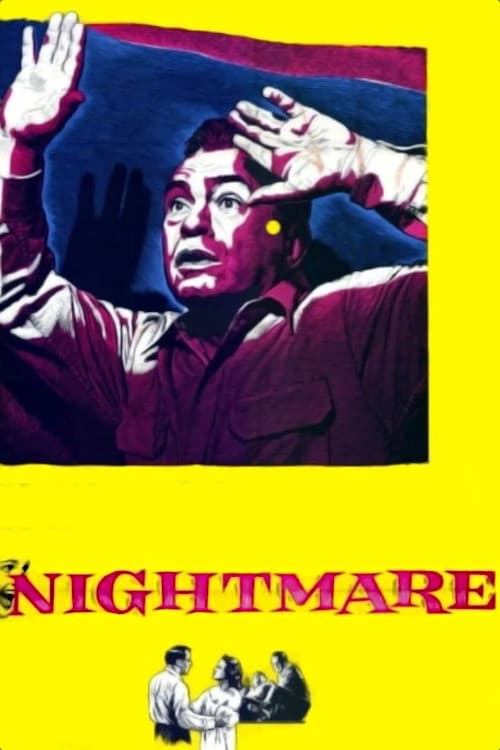
Nightmare
1956
No user ratings available yet
Representation score: 0.6 out of 10
Representation Score
Minimal
1971
RDirector
Alex Nicol
Runtime
88 minutes
Average Rating
No ratings yetNew Showbiz Analysis
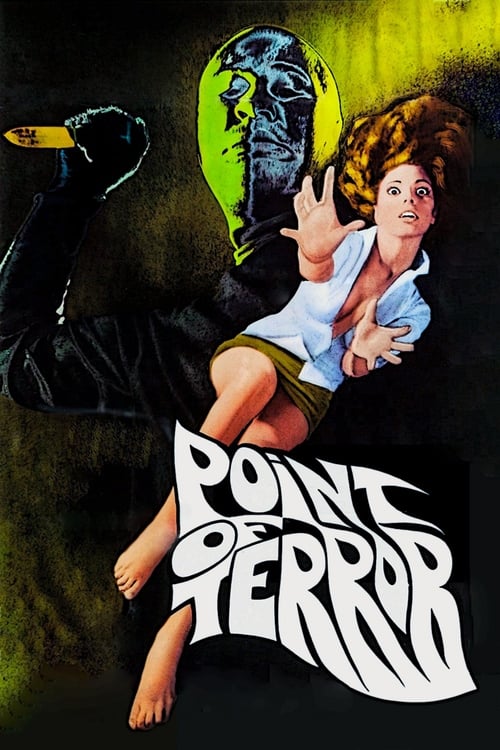
Point of Terror operates within the typical genre conventions of the early 1970s. The narrative is centered around a female protagonist, but it adheres to traditional moral themes like adultery. Without specific demographic details, the film appears homogeneous. The focus on individual psychological struggles and conventional thriller clichés limits its diversity and social commentary.
Category Breakdown
The film does not include any visible LGBTQ+ identities. The story focuses on adultery and murder without addressing queer perspectives.
A female nightclub singer is the main character. She drives the psychological conflict, but the themes of adultery may fall into traditional gender clichés.
There is no information about the racial or ethnic makeup of the cast. The setting and characters do not show any non-white representation.
The nightclub provides a secular social environment. However, the plot centers on traditional moral issues without addressing cultural critiques.
The story includes psychological nightmares, but it is unclear if mental health issues are given significant attention. No specific disabilities or neurodivergent traits are mentioned.
Present on Screen
Limited or Absent
Official Synopsis
A nightclub singer has nightmares about being involved in adultery and murder, only to wake up and find that they may not be nightmares.
1956
1977
1990
1971
1978

1972
1964
1971
No reviews yet. Be the first to share your thoughts on this movie!
Use the rating form above to leave a star rating and optional review.