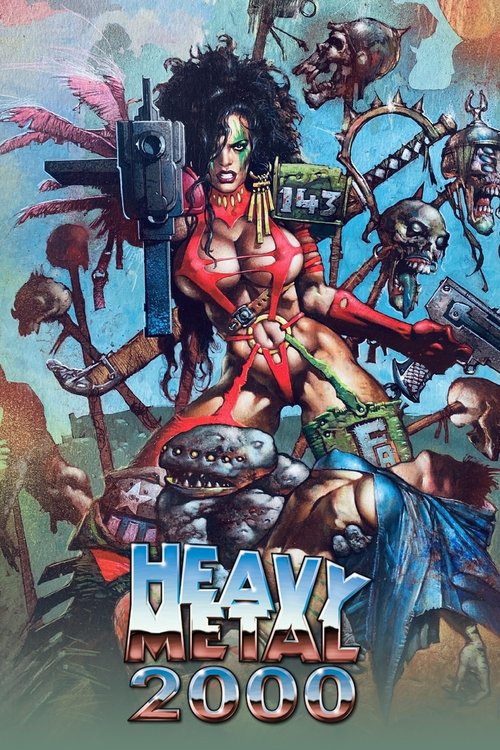
Heavy Metal 2000
2000
No user ratings available yet
Representation score: 6.8 out of 10
Representation Score
Good
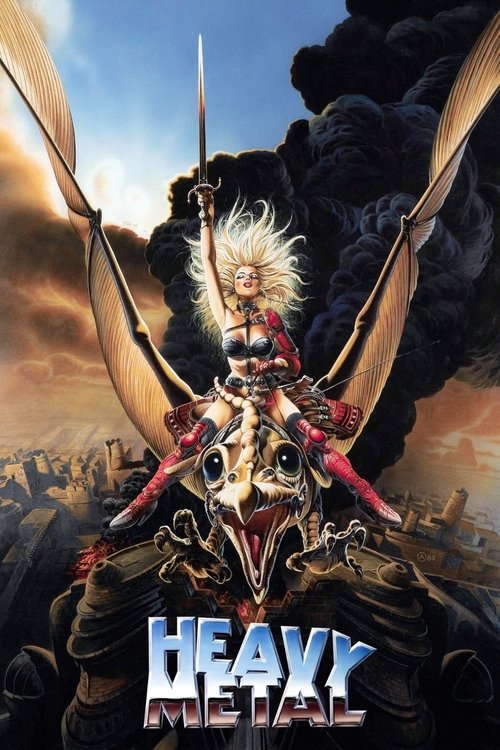
1981
RDirector
Gerald Potterton, John Bruno, John Halas, Julian Harris, Jimmy T. Murakami, Barrie Nelson, Paul Sabella, Jack Stokes, Pino Van Lamsweerde, Harold Whitaker
Runtime
90 minutes
Average Rating
No ratings yetNew Showbiz Analysis
Heavy Metal is a fragmented, sensory-driven anthology that prioritizes aesthetic excess over cohesive moral arcs. It succeeds in challenging traditional authority by focusing on mercenaries and scavengers rather than organized social structures. The film's strength lies in its gender subversion and its rejection of standardized moral codes. By presenting powerful, independent female figures, it challenges traditional masculine leadership and conventional cultural frameworks. However, the work remains limited by its reliance on straight-centered eroticism and its use of physical trauma as a mere genre cliché. It lacks specific, nuanced representation for LGBTQ+ identities and neurodivergent or disabled characters.
Category Breakdown
The film does not explicitly depict non-straight identities or same-sex relationships. Its narratives primarily follow conventions that assume everyone is straight or cisgender.
Strong female characters like the warrior Taarna challenge traditional gender roles. Although the film sometimes leans into sexualization, women are not confined to submissive roles.
The stylized animation and speculative settings allow for a degree of race-blind casting through archetypal design. However, the film lacks nuanced portrayals of diverse ethnic identities.
The film excels at deconstructing traditional Western institutions and religious duty. It centers on survivalism and personal vendettas within a post-institutional, often corrupt, social landscape.
Physical traumas and bodily transformations serve as aesthetic markers or plot devices. There is little exploration of lived experiences or characters with disabilities having independent control over their lives.
Present on Screen
Limited or Absent
Official Synopsis
The embodiment of ultimate evil, a glowing orb terrorizes a young girl with bizarre stories of dark fantasy, eroticism and horror.
2000
1987
1968
1989
1989

1985

2021
1968
No reviews yet. Be the first to share your thoughts on this movie!
Use the rating form above to leave a star rating and optional review.