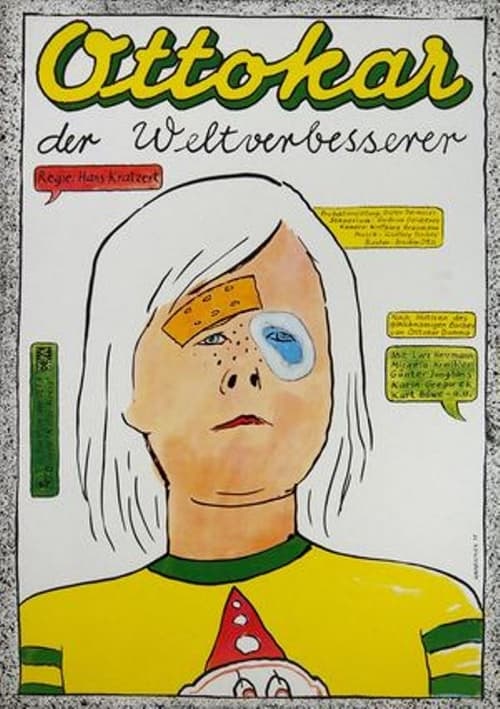
Ottokar, the World Reformer
1977
No user ratings available yet
Representation score: 4.3 out of 10
Representation Score
Minimal
1983
Director
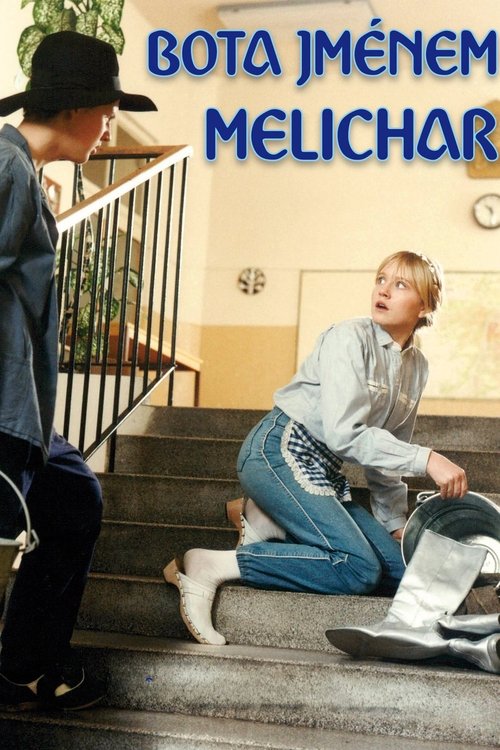
Zdeněk Troška
Runtime
84 minutes
Average Rating
No ratings yetNew Showbiz Analysis
Zdeněk Troška’s comedy serves as a localized social study of a 1980s Czech school. It centers on the interactions among students, teachers, and parents, emphasizing communal values and personal relationships. The film upholds the traditional social structures of its time rather than challenging them. Its narrative is constructed around social stability and the preservation of established community roles. Given its specific historical and geographic context, the film does not incorporate the diverse perspectives found in more contemporary works.
Category Breakdown
The film follows the traditional gender norms common in 1980s Eastern European cinema. It does not include any non-traditional gender identities or critiques of these norms.
The story explores relationships between students and teachers using conventional gender roles. Female educators and students are present but do not challenge traditional hierarchies.
Set in a typical Czech school during the 1980s, the film depicts a culturally and ethnically uniform environment. It lacks diversity in race or ethnicity.
The story highlights social unity and traditional community institutions such as family and school. It focuses on interpersonal harmony and social stability without critiquing systemic issues.
The narrative does not mention any characters with visible or invisible disabilities. There is no representation of neurodivergence or physical disabilities.
Present on Screen
Limited or Absent
Official Synopsis
A stories about friendship and love, children and parents, students and teachers - all from one regular Czech school during the eighties.
1977

1977
1981

1972
2013
1963
1954

1988
No reviews yet. Be the first to share your thoughts on this movie!
Use the rating form above to leave a star rating and optional review.