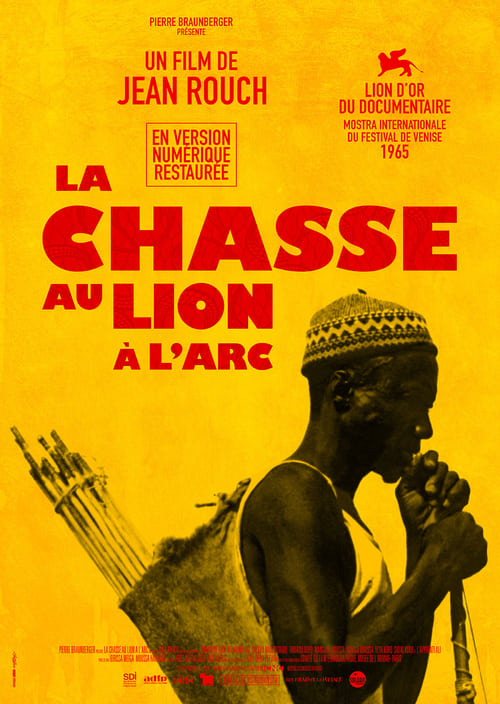
The Lion Hunters
1966
No user ratings available yet
Representation score: 4.3 out of 10

Representation Score
Fair
1947
Director
Pierre Ponty, Jean Rouch, Jean Sauvy
Runtime
13 minutes
Average Rating
No ratings yetNew Showbiz Analysis
In the Land of the Black Magi is a significant ethnographic document that centers the Sorko people of Niger. By focusing on indigenous ability to act during a traditional hunt, it challenges the Western-centric storytelling common in 1947. However, the film is limited by its era. The absence of multi-layered identities like gender and LGBTQ+ status, along with the inherent power dynamics of colonial-era filmmaking, restricts its overall impact. Ultimately, the film serves as a historical record of a non-Western community, even if it remains confined by the social hierarchies of its time.
Category Breakdown
The film does not include any evident LGBTQ+ characters or narratives. Its focus is on a communal hippopotamus hunt, which highlights traditional social structures.
The film likely upholds traditional gender roles from the 1940s. It centers on male-dominated communal activities such as hunting, without showing women in positions of authority.
This work provides a crucial historical record of the Sorko people of Niger. It challenges Eurocentric norms by allowing non-white subjects to lead the visual narrative.
The film emphasizes the traditions and rituals of the Sorko people. It presents a non-Western worldview by documenting lifestyles outside of Western Christian or capitalist structures.
There is no visible evidence or documented mention of characters with physical or neurodivergent disabilities in this production.
Present on Screen
Limited or Absent
Official Synopsis
Rouch’s earliest surviving film, which depicts the Sorko of Niger on a hippopotamus hunt. - MoMA
1966
1978
1971
1957
1971
1959
1949
1932
No reviews yet. Be the first to share your thoughts on this movie!
Use the rating form above to leave a star rating and optional review.