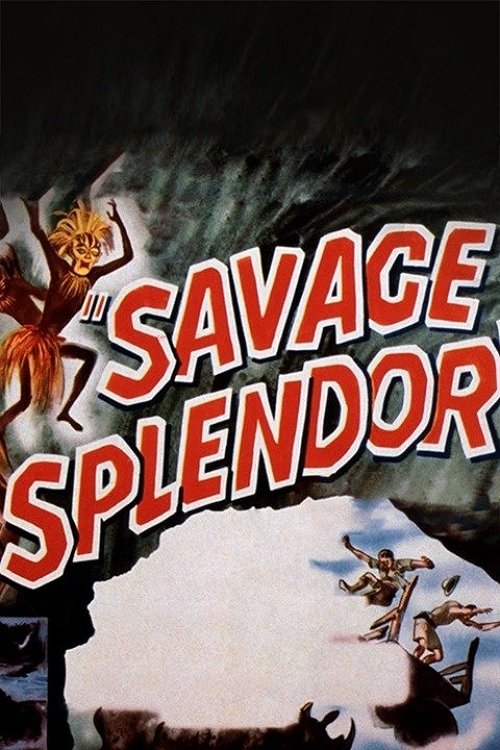
Savage Splendor
1949
No user ratings available yet
Representation score: 0.8 out of 10
Representation Score
Minimal
1932
Director
Martin E. Johnson
Runtime
67 minutes
Average Rating
No ratings yetNew Showbiz Analysis
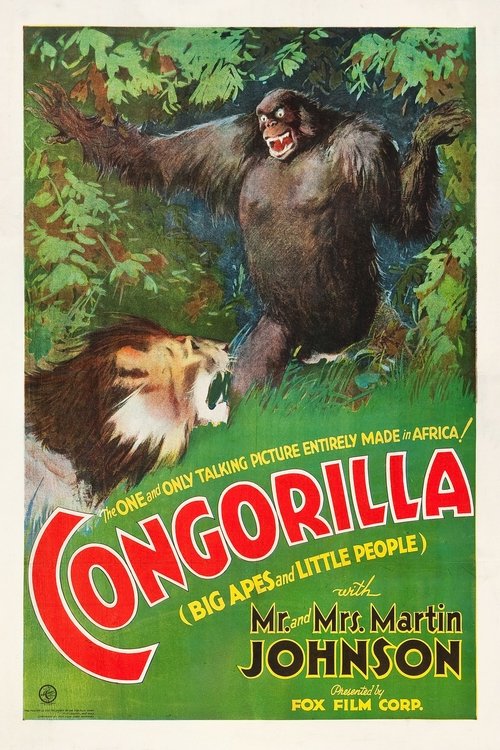
Congorilla stands as a groundbreaking technical achievement, being the first sound film made entirely in Africa. It offers valuable historical footage of the Mbuti people and African wildlife. However, its perspective is firmly rooted in the colonial-era tradition of presenting 'exotic' cultures. While the film captures African landscapes, the power dynamics remain imbalanced. Filmmakers act as external observers, depicting indigenous life through an ethnographic lens that lacks subjective ability to act or modern multi-layered depth. Ultimately, the work reflects the social hierarchies of its time without challenging them.
Category Breakdown
The film does not include any LGBTQ+ characters or narratives. Focusing on nature and colonial travel, it does not explore queer identities.
The story emphasizes male-led exploration and conquest of the wilderness. It upholds the era's notion of male authority without challenging traditional gender hierarchies.
The Mbuti people are central to the film, showcasing their culture. However, they are portrayed as ethnographic subjects rather than individuals with their own stories.
The film highlights Western technology and exploration, presenting exotic locales for a Western audience. It lacks a critical perspective, focusing instead on the achievements of Western explorers.
There is no depiction of individuals with disabilities in the film. The focus is on wildlife and ethnographic observation.
Present on Screen
Limited or Absent
Official Synopsis
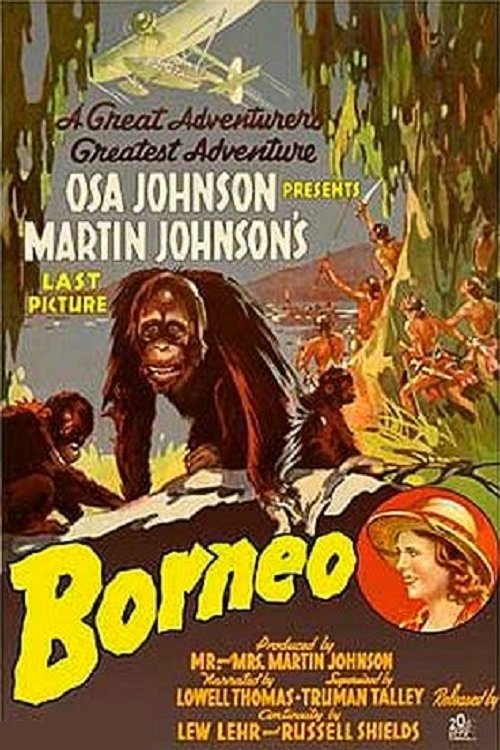
The first sound movie made entirely in Africa, Congorilla premiered in 1932 and permitted audiences to hear what they had only been able to see during previous safari films. Martin and Osa Johnson began in Kenya and Tanzania before moving to Uganda and the Congo Basin (Zaire). Along the way they filmed Zebra in the Serengeti, charging Rhinos in the Northern Frontier District (Southern Somalia), and recorded exciting encounters with Crocodiles and Hippos as they went down the Nile. The latter part of the film is devoted to the 7 months the filmmakers spent in the Ituri Forest with the Mbuti people as they captured village life despite the humidity, which caused batteries to deteriorate, wires and connections to erode, and mildew to form on camera cases.
1949
1933
1953
1930
1937
1971
2024
1957
No reviews yet. Be the first to share your thoughts on this movie!
Use the rating form above to leave a star rating and optional review.